Key Findings
Researchers at the Max Planck Institute for Solid State Research have made a groundbreaking discovery regarding the mechanism of lithium dendrite formation, a primary hurdle to the practical implementation of all-solid-state batteries. They successfully elucidated, for the first time in detail, how lithium dendrites penetrate rigid ceramic solid electrolytes and ultimately cause battery short circuits. This breakthrough is poised to significantly accelerate the commercialization of all-solid-state batteries by enabling the development of new battery designs and materials that effectively suppress dendrite growth.
Technical / Clinical Details
Historically, all-solid-state batteries utilizing lithium metal anodes have been plagued by the growth of tree-like lithium structures (dendrites) during charge-discharge cycles. These dendrites can fracture the solid electrolyte, leading to internal short circuits. The Max Planck Institute’s research suggests that this phenomenon is not merely due to cracks in the electrolyte but also involves a mechanism where dendrites ‘tunnel’ through the microstructure of the solid electrolyte itself. This deeper understanding allows for more targeted approaches to physically or chemically impede dendrite growth. Theoretically, solid electrolytes enable the use of lithium metal anodes, which can store significantly more energy in the same volume compared to conventional liquid-electrolyte lithium-ion batteries. This promises substantial extensions in electric vehicle range and reductions in charging times.
Background & Context
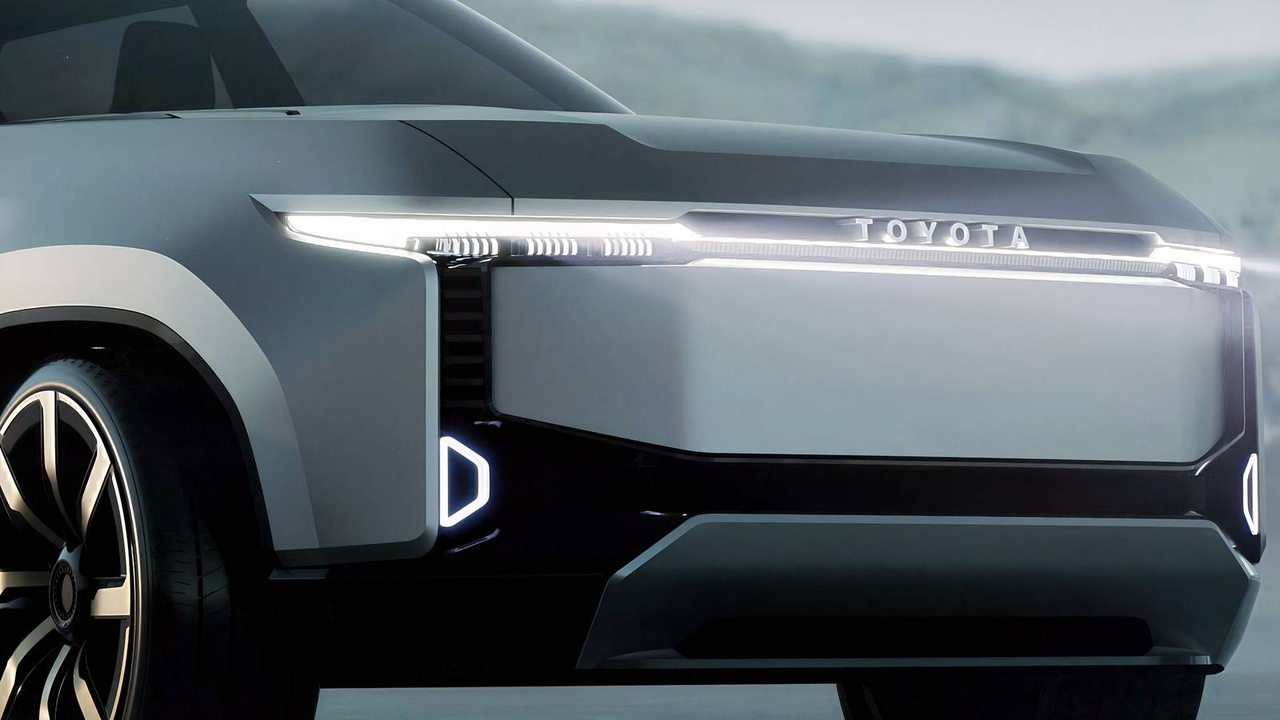
All-solid-state batteries are considered the ‘holy grail’ of energy storage, offering dramatically improved safety (reduced fire risk) and higher energy density compared to current lithium-ion technologies. The electric vehicle (EV) sector, in particular, has a critical demand for extended range and faster charging, making all-solid-state batteries an ultimate solution. The dendrite problem has long been the most significant technical barrier. This discovery from the Max Planck Institute provides fundamental insight into this decades-old challenge, potentially marking a breakthrough towards practical application. New electric crossover vehicles are anticipated by 2026, offering over 300 miles (approximately 480 km) of range, fast-charging capabilities, and multi-year battery warranties, a timeline that will be significantly influenced by advancements in solid-state battery technology.
Strategic Significance & Outlook
Clarifying the dendrite formation mechanism provides direct guidance for developing more stable solid electrolytes and designing anode protective layers that effectively suppress dendrite growth. This will enhance the cycle life and safety of all-solid-state batteries, potentially establishing a strong competitive advantage in the EV market. An intensified patent race for new materials and structures based on these research findings is expected, with high-performance, reliable all-solid-state batteries potentially entering the market within a few years. This progress will accelerate electric vehicle adoption and contribute significantly to realizing a sustainable mobility society globally.
Source: https://carbuzz.com/solid-state-battery-breakthrough-making-current-electric-vehicles-obsolete/
Get our weekly technology intelligence — free
Receive an infographic that lets you judge at a glance whether each field’s analysis report is worth reading.
Subscribe Free — Weekly Tech Intelligence
By subscribing, you’ll receive Troy-Technical’s weekly technology intelligence newsletter.
- Your email and selected fields are used only to deliver the newsletter.
- We never share your information with third parties.
- You can unsubscribe anytime via the link in each email.
See our Privacy Policy for details.
Takes about a minute · Unsubscribe anytime