Background
The global technology landscape has recently been defined by increasing geopolitical risks and pronounced vulnerabilities within international supply chains, driving a worldwide imperative to fortify domestic manufacturing capabilities for critical components. This trend is particularly evident in the semiconductor industry, where governments, including the U.S., have actively incentivized significant domestic investment. Simultaneously, the relentless expansion of artificial intelligence (AI) and cloud computing has led to an unprecedented surge in data traffic, necessitating robust, high-performance optical communication infrastructure and thereby catalyzing substantial investments in this sector.
Key Findings
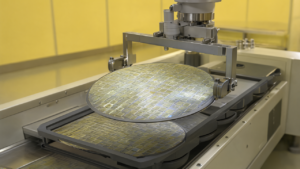
Nokia has unveiled an ambitious strategy to substantially bolster its U.S. optical communications chip manufacturing footprint through the lease and eventual acquisition of NXP Semiconductors’ wafer fabrication campus in Arizona. This pivotal strategic maneuver, with full acquisition slated for Q1 2029, is designed to enhance Nokia’s competitive standing within the rapidly expanding AI and cloud computing markets, while simultaneously strengthening its supply chain resilience. The company formalized these significant investment plans during its Q3 2026 earnings announcement on July 23, 2026.
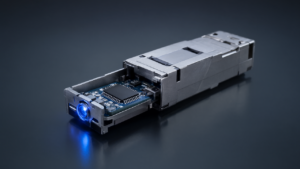
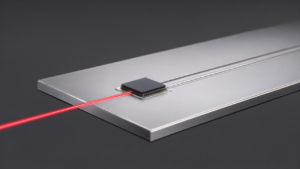
Central to this acquisition is Nokia’s aim to significantly augment its vertical integration capabilities, specifically in the production of photonic integrated circuits (PICs) and associated high-frequency chips indispensable for advanced optical communication systems. By gaining greater control over the manufacturing processes, particularly for components utilizing advanced materials such as indium phosphide (InP), Nokia anticipates achieving superior product performance, enhanced cost efficiencies, and robust supply stability. The burgeoning demand from AI data centers and the continuous evolution of 5G/6G networks are fueling an exponential need for high-performance, low-power optical communication chips, underscoring the strategic imperative for in-house manufacturing capacity to maintain a competitive edge.
Nokia reports strong order volumes within its AI and cloud-related business segments, positioning this manufacturing expansion as a cornerstone of its long-term growth trajectory. Nevertheless, the substantial restructuring costs and significant capital expenditures associated with the NXP fab lease and subsequent acquisition are projected to exert near-term pressure on the company’s profitability. Industry observers will closely monitor the ramifications of this strategic investment on Nokia’s financial performance and market share, with the full realization of its value anticipated following the complete acquisition in 2029. This bold maneuver is expected to solidify Nokia’s position as a critical innovator and supplier in the global optical communications market.
Get our weekly technology intelligence — free
Receive an infographic that lets you judge at a glance whether each field’s analysis report is worth reading.
Subscribe Free — Weekly Tech Intelligence
By subscribing, you’ll receive Troy-Technical’s weekly technology intelligence newsletter.
- Your email and selected fields are used only to deliver the newsletter.
- We never share your information with third parties.
- You can unsubscribe anytime via the link in each email.
See our Privacy Policy for details.
Takes about a minute · Unsubscribe anytime