Key Findings
BioInformant has published a detailed blog post analyzing the increasing prominence of exosome therapeutics in 2026. The article highlights exosomes as key messengers in intercellular communication, asserting that their unique properties position them as an exceptionally promising modality for developing novel therapies. Specifically, the ability of exosomes to selectively deliver specific biomolecules to target cells is gaining significant attention as a new approach in drug delivery systems (DDS) and regenerative medicine.
Technical / Clinical Details
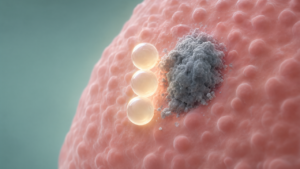
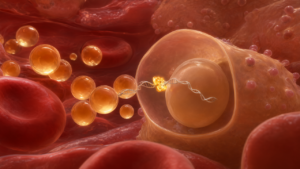
Exosomes are extracellular vesicles encapsulated by a lipid bilayer, typically ranging from 30 to 150 nanometers in diameter. Released from cells, they contain a diverse cargo of biomolecules, including proteins, lipids, mRNAs, miRNAs, and DNA. Exosomes play multifaceted roles in intercellular communication, influencing various physiological and pathological processes such as modulating immune responses, inducing cell proliferation and differentiation, promoting angiogenesis, and even facilitating cancer metastasis. The primary reasons exosomes are considered promising therapeutic agents include:
- **Biocompatibility and Low Immunogenicity:** They can be isolated from a patient’s own cells or donor cells, leading to a low risk of immune rejection.
- **Natural DDS Capabilities:** They can efficiently deliver therapeutic agents to specific tissues and cells within the body, including the ability to cross the blood-brain barrier.
- **Diverse Cargo Loading:** They can be engineered to encapsulate and deliver various therapeutic molecules, such as genes, proteins, or small-molecule drugs, to target cells.
These characteristics have led to extensive research into their applications across a wide range of diseases, including cancer, neurodegenerative disorders, cardiovascular diseases, and inflammatory conditions.
Background & Context
Traditional drug development has predominantly relied on small molecules and antibody drugs, but these have limitations in targeting complex biological pathways or delivering drugs to specific cell types. While cell therapies have achieved groundbreaking results, they face challenges such as manufacturing complexity, cost, and immunogenicity. Exosomes are rapidly gaining attention as a ‘third class of therapeutics’ with the potential to overcome the limitations of these existing modalities. As of 2026, many biotechnology companies have entered the exosome-based therapeutic development space, with vigorous preclinical research underway and some transitioning to early-stage clinical trials. The standardization of exosome manufacturing technologies, quality control, and the establishment of regulatory assessment criteria will be key to the future development of this industry.
Strategic Significance & Outlook
Exosome therapeutics are predicted to offer innovative treatment options across various disease areas in the near future. Particularly anticipated are their use as DDS for brain tissues that are difficult for drugs to reach in neurodegenerative diseases, targeted therapies for intractable cancers, and regenerative medicine applications to promote damaged tissue repair. Future research will focus on improving exosome cargo loading efficiency, enhancing targeting specificity, and establishing large-scale, GMP-compliant manufacturing processes. Leveraging their natural nanocarrier properties, exosomes also hold significant potential to contribute to the advancement of personalized medicine, ensuring that this field will continue its rapid growth beyond 2026.
Get our weekly technology intelligence — free
Receive an infographic that lets you judge at a glance whether each field’s analysis report is worth reading.
Subscribe Free — Weekly Tech Intelligence
By subscribing, you’ll receive Troy-Technical’s weekly technology intelligence newsletter.
- Your email and selected fields are used only to deliver the newsletter.
- We never share your information with third parties.
- You can unsubscribe anytime via the link in each email.
See our Privacy Policy for details.
Takes about a minute · Unsubscribe anytime