Key Findings
The European Clean Hydrogen Alliance has released an update on the European Union’s (EU) hydrogen strategy, reiterating the central role hydrogen plays in achieving carbon neutrality by 2050 and supporting the European Green Deal. This strategy prioritizes the production of renewable hydrogen and sets specific, ambitious production targets for 2024 and 2030.
Technical Details
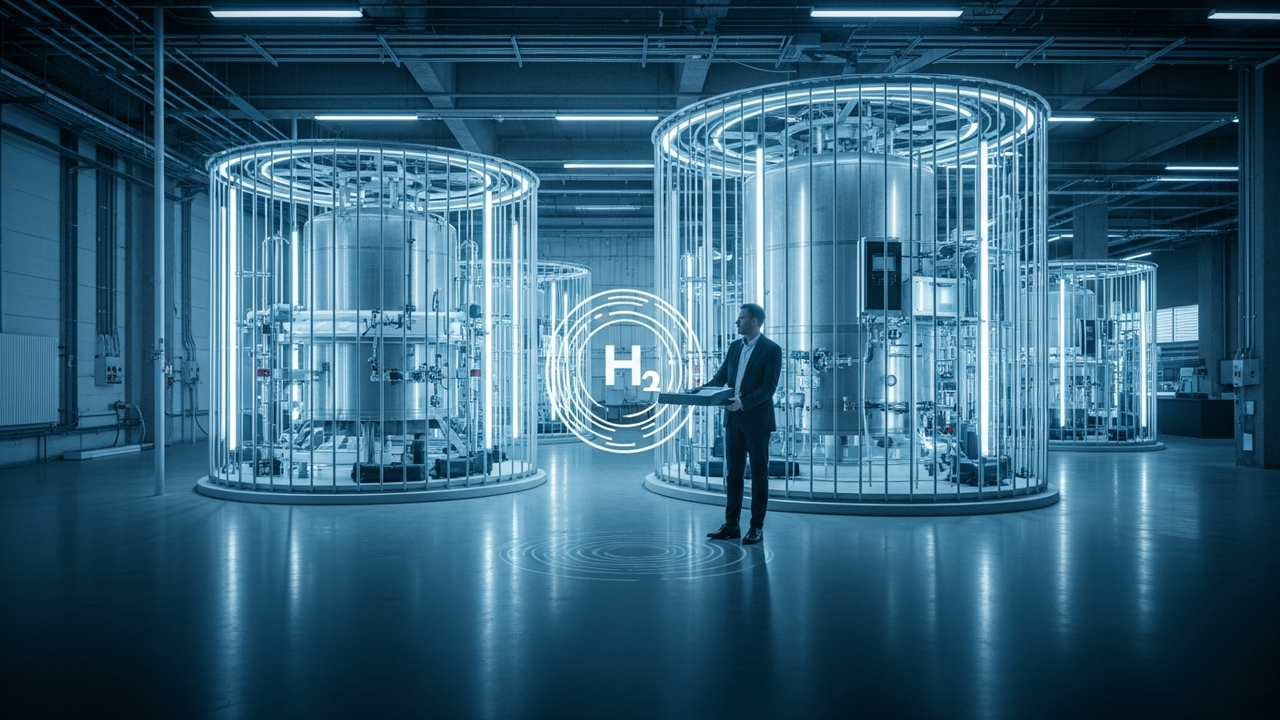
The EU Hydrogen Strategy advocates for “green hydrogen,” generated from renewable energy sources, as the most sustainable option, aiming for a significant expansion of its production capacity and utilization. In the initial phase leading up to 2024, targets for electrolyzer installation capacity are set. By 2030, the ambitious goal is to achieve domestic production and consumption of at least 10 million tons, and an additional 10 million tons of imported renewable hydrogen. Achieving these targets necessitates the construction of large-scale electrolyzer infrastructure, expansion of renewable energy generation capacity, development of hydrogen transport and storage networks, and technological adoption in hydrogen demand sectors (industry, transport, etc.). The 2026 strategy revision is expected to incorporate the latest market trends, technological advancements, and geopolitical circumstances, presenting a more realistic and effective roadmap.
Background & Context
The EU faces an urgent imperative to reduce reliance on fossil fuels and accelerate the transition to clean energy to combat climate change and ensure energy security. Hydrogen is anticipated for diverse applications, including energy storage for intermittent renewable electricity, decarbonization of industrial processes, and fuel for the transport sector. This hydrogen strategy provides a comprehensive framework for the EU to assert global leadership in the hydrogen economy and foster technological innovation. This enables European companies to seize new market opportunities and enhance international influence through the export of green technologies.
Strategic Significance & Outlook
The EU’s hydrogen strategy is critically important for shaping Europe’s energy landscape over the coming decades. Specific production targets and associated policy support are expected to attract significant investment and accelerate the growth of green hydrogen-related industries. The establishment of hydrogen hubs, development of cross-border infrastructure, and formation of international partnerships are essential for the success of this strategy. The EU’s initiatives are also anticipated to influence the formulation of hydrogen strategies in other regions globally, playing a crucial role in strengthening global decarbonization efforts.
Source: https://www.hydrogen.europa.eu/strategy/eu-hydrogen-strategy-under-eu-green-deal_en
Get our weekly technology intelligence — free
Receive an infographic that lets you judge at a glance whether each field’s analysis report is worth reading.
Subscribe Free — Weekly Tech Intelligence
By subscribing, you’ll receive Troy-Technical’s weekly technology intelligence newsletter.
- Your email and selected fields are used only to deliver the newsletter.
- We never share your information with third parties.
- You can unsubscribe anytime via the link in each email.
See our Privacy Policy for details.
Takes about a minute · Unsubscribe anytime