Key Findings
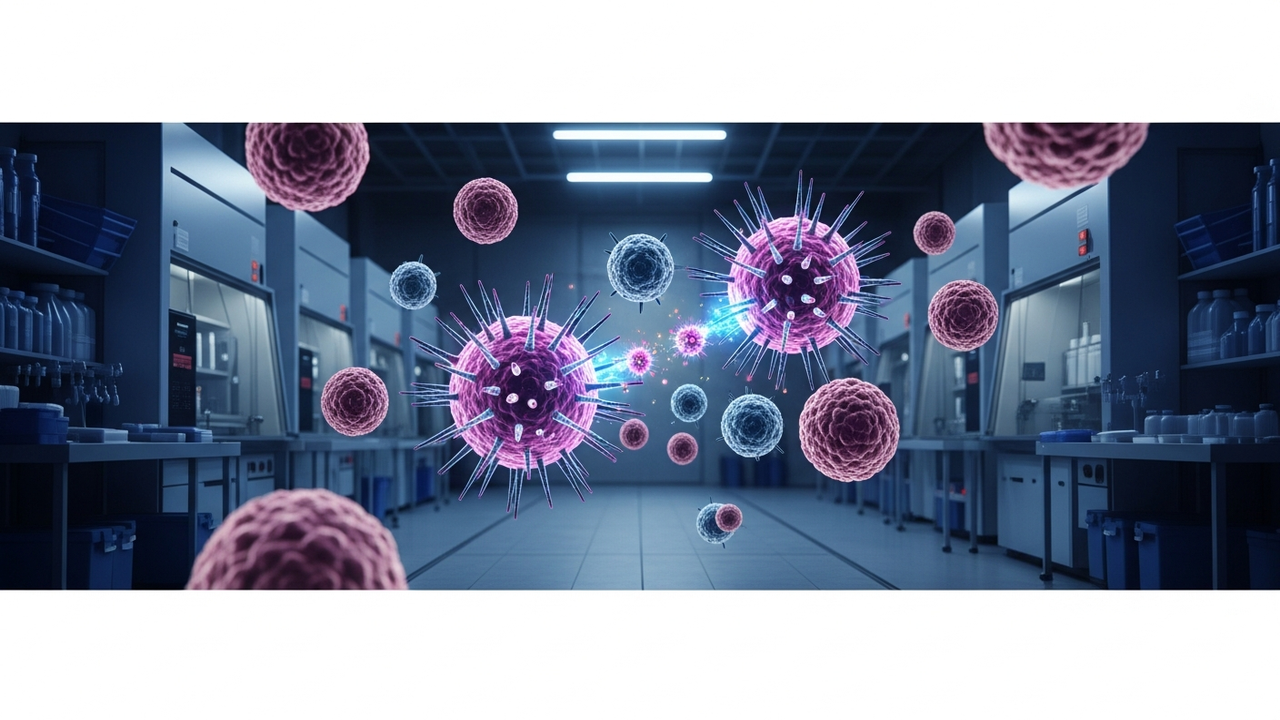
A team of cancer researchers at MD Anderson has identified a novel factor influencing the efficacy of chimeric antigen receptor (CAR) natural killer (NK) cell therapy. Their study revealed that a specific subpopulation of immature NK cells present in donor umbilical cord blood, often used for CAR-NK cell manufacturing, can potentially suppress the inherent antitumor activity of CAR-NK cells. This discovery provides critical insights into the importance of donor cell selection and processing for optimizing CAR-NK cell therapy in clinical applications.
Technical / Clinical Details
CAR-NK cell therapy is a form of cancer immunotherapy where genetically engineered NK cells are designed to recognize and attack specific tumor antigens. Compared to T-cells, NK cells offer advantages such as lower risk of graft-versus-host disease (GVHD) in allogeneic settings and rapid expansion capabilities, making them promising candidates for off-the-shelf cell therapies. The MD Anderson study indicated that when CAR-NK cells are manufactured from donor umbilical cord blood containing certain surface-marker-defined immature NK cells, the killing capacity against tumor cells is impaired. These immature cells may produce immunosuppressive cytokines or interfere with the activation of CAR-NK cells. The research team meticulously identified these inhibitory cell populations and elucidated their mechanisms of action.
Background & Context
While CAR-T cell therapies have achieved remarkable success in hematologic malignancies, ongoing research focuses on extending their applicability to solid tumors, improving safety profiles, and developing off-the-shelf solutions. CAR-NK cell therapy is considered a promising approach for solid tumors due to its favorable safety profile and potential for allogeneic use with reduced GVHD risk. However, the inconsistent efficacy of CAR-NK cell therapy across all patients has highlighted the need for better understanding of contributing factors. This discovery emphasizes that stringent quality control of donor cells and optimization of manufacturing processes are crucial for enhancing the clinical outcomes of CAR-NK cell therapies, providing a significant guideline for the industry.
Strategic Significance & Outlook
The findings from MD Anderson suggest new directions for CAR-NK cell therapy development. Future research will likely focus on developing technologies to effectively eliminate or modify the identified immature NK cell subpopulation during the CAR-NK cell manufacturing process. This could involve advanced cell sorting techniques targeting specific surface markers or gene editing strategies to neutralize the immunosuppressive functions of these immature NK cells. By maximizing the antitumor activity of CAR-NK cell therapies, this advancement could accelerate their deployment as safe and effective off-the-shelf treatments for a broader range of solid and hematologic cancer patients. This progression is also expected to influence quality control standards in cell therapy and contribute to the broader advancement of regenerative medicine.
Source: https://www.miragenews.com/md-anderson-unveils-new-research-breakthroughs-1726937/
Get our weekly technology intelligence — free
Receive an infographic that lets you judge at a glance whether each field’s analysis report is worth reading.
Subscribe Free — Weekly Tech Intelligence
By subscribing, you’ll receive Troy-Technical’s weekly technology intelligence newsletter.
- Your email and selected fields are used only to deliver the newsletter.
- We never share your information with third parties.
- You can unsubscribe anytime via the link in each email.
See our Privacy Policy for details.
Takes about a minute · Unsubscribe anytime