Key Findings
Researchers from the University of Southern California (USC) Viterbi School of Engineering have unveiled a new strategy, dubbed ‘SHIFTERS,’ designed to dramatically enhance the therapeutic efficacy of Chimeric Antigen Receptor (CAR) T-cell therapy against solid tumors, a domain where it has traditionally struggled. This ingenious technology combines the hypoxic microenvironment prevalent in tumors with focused ultrasound to transiently induce the expression of CD19, a key CAR T-cell target antigen, on cancer cell surfaces. This breakthrough offers a potential solution to overcoming critical limitations of CAR T-cell therapy in solid tumor treatment.
Technical / Clinical Details
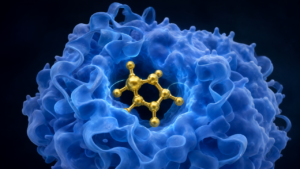
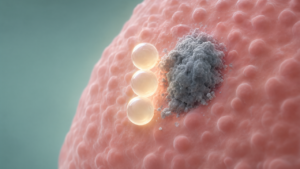
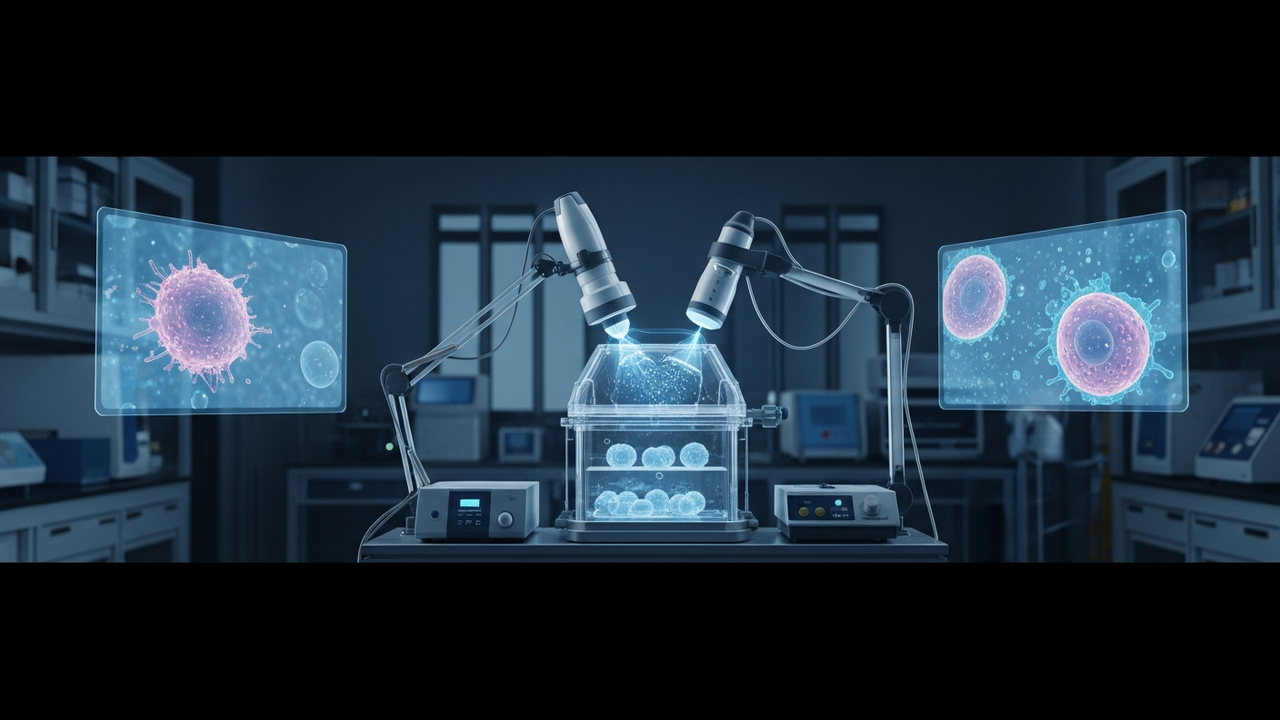
The core of the ‘SHIFTERS’ technology lies in its clever exploitation of the tumor microenvironment. Solid tumors often exhibit hypoxia due to aberrant vascularization. The research team engineered cancer cells with a specific genetic switch activated under hypoxic conditions. Subsequently, external focused ultrasound is applied to deliver precise physical stimuli to the cancer cells, activating this switch. Upon activation, the CD19 protein, typically expressed abundantly in blood cancers but largely absent in solid tumors, is temporarily expressed on the surface of solid tumor cells. This induced CD19 then serves as a beacon for CAR T-cells, enabling them to effectively recognize and eliminate solid tumor cells. This innovative approach addresses the challenge of heterogeneous antigen expression in solid tumors by externally manipulating target availability, marking a significant advance in precision oncology.
Background & Context
While CAR T-cell therapies have achieved remarkable success in treating hematologic malignancies like acute lymphoblastic leukemia and non-Hodgkin lymphoma, their efficacy against solid tumors has been limited. Solid tumors present numerous biological barriers, including low and heterogeneous expression of target antigens, an immunosuppressive tumor microenvironment, and poor CAR T-cell infiltration. The lack of uniformly expressed target antigens has been a primary challenge, leading to immune evasion and relapse. ‘SHIFTERS’ offers a novel solution to this fundamental problem by inducing target antigen expression through minimally invasive external stimuli. This has the potential to significantly expand the applicability of CAR T-cell therapy to solid tumors, representing a major breakthrough in the field of cancer immunotherapy.
Strategic Significance & Outlook
The SHIFTERS technology holds immense promise for revolutionizing solid tumor therapy. If validated for efficacy and safety in clinical trials, this new strategy could unlock CAR T-cell therapy for intractable solid tumors such as pancreatic, lung, and breast cancers. The research team plans further optimization and validation across various solid tumor models. In the future, by leveraging the non-invasive nature and precise targeting capabilities of focused ultrasound, it may become possible to customize and induce CAR T-cell activity even in deeply seated tumors. Should this technology reach commercialization, it could bring new hope to countless cancer patients and transform the standard of care for next-generation cancer treatments, positioning it as a pivotal development in precision medicine.
Get our weekly technology intelligence — free
Receive an infographic that lets you judge at a glance whether each field’s analysis report is worth reading.
Subscribe Free — Weekly Tech Intelligence
By subscribing, you’ll receive Troy-Technical’s weekly technology intelligence newsletter.
- Your email and selected fields are used only to deliver the newsletter.
- We never share your information with third parties.
- You can unsubscribe anytime via the link in each email.
See our Privacy Policy for details.
Takes about a minute · Unsubscribe anytime