Key Findings
The 2026 Cancer Research and Development Conference (CRDWC 2026) symposium will extensively discuss clinical advancements and challenges in extending CAR-T cell therapy’s notable success from hematological malignancies to solid tumors. A core focus will be placed on innovations in CAR design, resolving manufacturing bottlenecks, and strengthening safety profiles to enhance the efficacy and durability of CAR-T treatments for solid cancers.
Technical / Clinical Details
- Improved CAR Design: To counter the specific challenges posed by solid tumors, efforts are underway to develop next-generation CAR-T cells, including bispecific CARs targeting multiple antigens and cells engineered to neutralize the immunosuppressive tumor microenvironment (TME). This approach aims to overcome antigen heterogeneity and TME defense mechanisms, thereby augmenting the anti-tumor activity of CAR-T cells.
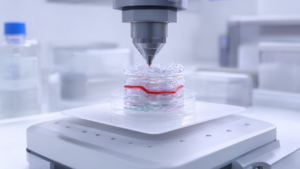
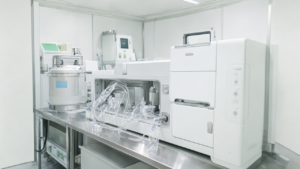
- Manufacturing Optimization: The high cost and logistical delays of CAR-T cell therapies stem from complex manufacturing processes. The symposium will explore novel strategies to enhance manufacturing efficiency and scalability, such as automation, reducing ex vivo manipulation through in vivo gene editing, and leveraging allogeneic cell sources for off-the-shelf CAR-T products. These innovations are crucial for delivering timely treatments to a broader patient population.
- Enhanced Safety Strategies: Managing side effects like cytokine release syndrome (CRS) and immune effector cell-associated neurotoxicity syndrome (ICANS) remains paramount. Discussions will include the integration of logic-gated CARs and safety mechanisms like suicide genes or inducible cell depletion switches, allowing for controlled CAR-T cell activity to minimize toxicity while preserving efficacy.
- Overcoming TME and Antigen Escape: Immunosuppressive cells (e.g., regulatory T cells, myeloid-derived suppressor cells) and metabolic stress within the TME are primary drivers of CAR-T cell dysfunction. Combination therapies targeting these elements, CAR-T cells engineered to reprogram the TME, and multi-antigen targeting CARs to address antigen escape mechanisms will be prominent research topics.
Background & Context
While CAR-T cell therapy has achieved transformative outcomes in certain hematological malignancies, its application in solid tumors has been limited due to the complex antigenic landscape and potent immunosuppressive TME. The in-depth discussions at major conferences like CRDWC 2026 are vital for uniting academia, industry, and regulatory bodies in pursuing the next breakthroughs. This discourse is expected to outline a concrete roadmap for CAR-T therapy to benefit a wider patient demographic.
Strategic Significance & Outlook
The latest clinical data and emerging technologies presented at the symposium will shape the future direction of R&D for CAR-T therapy in solid tumors. Manufacturing innovations and regulatory collaboration will be critical determinants of commercialization and widespread adoption in this field. Attendees are anticipated to gain insights into translational advances, combination therapies, and strategies to improve CAR-T cell persistence and safety, contributing to the future of this transformative therapeutic modality.
Get our weekly technology intelligence — free
Receive an infographic that lets you judge at a glance whether each field’s analysis report is worth reading.
Subscribe Free — Weekly Tech Intelligence
By subscribing, you’ll receive Troy-Technical’s weekly technology intelligence newsletter.
- Your email and selected fields are used only to deliver the newsletter.
- We never share your information with third parties.
- You can unsubscribe anytime via the link in each email.
See our Privacy Policy for details.
Takes about a minute · Unsubscribe anytime