Key Findings
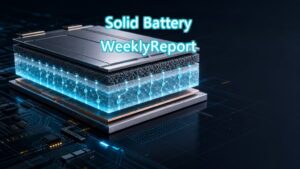
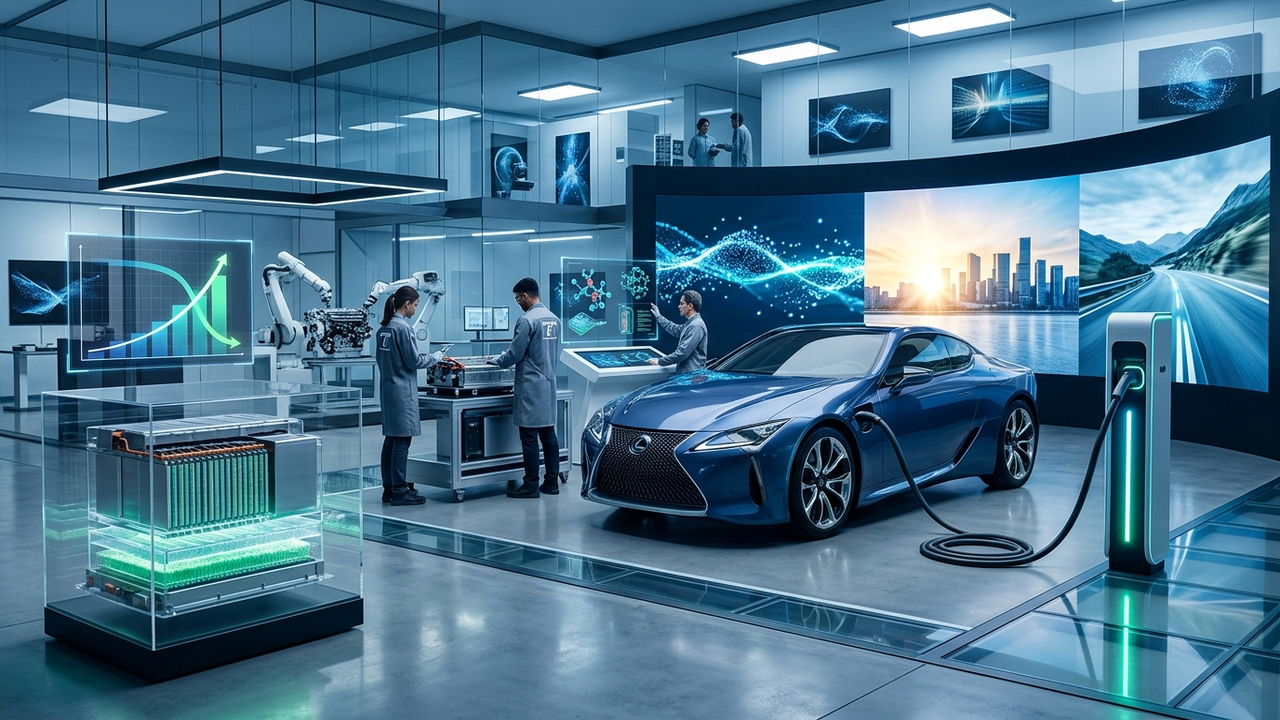
The commercialization of all-solid-state batteries (ASSBs) is progressing with a clear roadmap, as Toyota Motor Corporation announced plans to launch sulfide-based all-solid-state EVs in its premium brands, such as Lexus, between 2027 and 2028. Toyota has already invested over $15 billion in this technology and received formal production approval in Japan by the end of 2025. The company targets an impressive energy density of 400-500 Wh/kg and a rapid 80% charge in under 10 minutes, representing a significant leap in electric vehicle performance and convenience.
Technical / Clinical Details
Toyota’s sulfide-based all-solid-state battery technology is characterized by high ionic conductivity and superior stability compared to conventional lithium-ion batteries. The elimination of liquid electrolytes drastically reduces the risk of thermal runaway, thereby enhancing battery safety. This technology also enables the use of higher-capacity lithium metal anodes, significantly boosting the overall energy density of the battery pack. The targeted energy density of 400-500 Wh/kg far exceeds the average energy density of current EV lithium-ion batteries (approximately 250-300 Wh/kg), promising a dramatic extension of driving range.
Furthermore, the ability to achieve an 80% charge in less than 10 minutes addresses one of the major barriers to EV adoption by bringing charging convenience closer to that of gasoline-powered vehicles for long-distance travel. This capability is attributed to the fast migration of lithium ions within the solid electrolyte and optimized electrode interface designs. Initial deployments are expected in high-end EVs like Lexus models, with a gradual expansion to mass-market vehicles anticipated thereafter.
Background & Context
With the accelerating global shift towards electric vehicles, advancements in battery technology are paramount to the future of the automotive industry. All-solid-state batteries hold the potential to surpass current lithium-ion battery performance in range, charging speed, and safety, fueling intense competition among automotive manufacturers and battery developers. Toyota’s announcement signifies a pivotal moment, transitioning ASSBs from a ‘dream battery’ to a tangible technology after years of dedicated R&D. While sulfide-based electrolytes offer advantages in conductivity, they have historically faced challenges in air stability and manufacturing complexity. Toyota’s success in overcoming these hurdles and presenting a concrete production plan has sent ripples throughout the industry.
Strategic Significance & Outlook
Toyota’s declaration marks the official advent of the all-solid-state battery market. Following initial commercialization from 2027-2028, full-scale mass production and cost reductions are expected post-2030, positioning ASSBs to become a dominant force in the EV market. This will lead to substantial improvements in electric vehicle performance and greater consumer adoption. Beyond automotive applications, this technology is anticipated to find use in aerospace, robotics, and large-scale energy storage, potentially revolutionizing broader energy systems. Other companies are likely to intensify their R&D efforts in response to Toyota’s advancements, further accelerating the competitive landscape.
Source: https://roadethos.com/features/solid-state-battery-timelines-for-2027-and-beyond
Get our weekly technology intelligence — free
Receive an infographic that lets you judge at a glance whether each field’s analysis report is worth reading.
Subscribe Free — Weekly Tech Intelligence
By subscribing, you’ll receive Troy-Technical’s weekly technology intelligence newsletter.
- Your email and selected fields are used only to deliver the newsletter.
- We never share your information with third parties.
- You can unsubscribe anytime via the link in each email.
See our Privacy Policy for details.
Takes about a minute · Unsubscribe anytime