Background
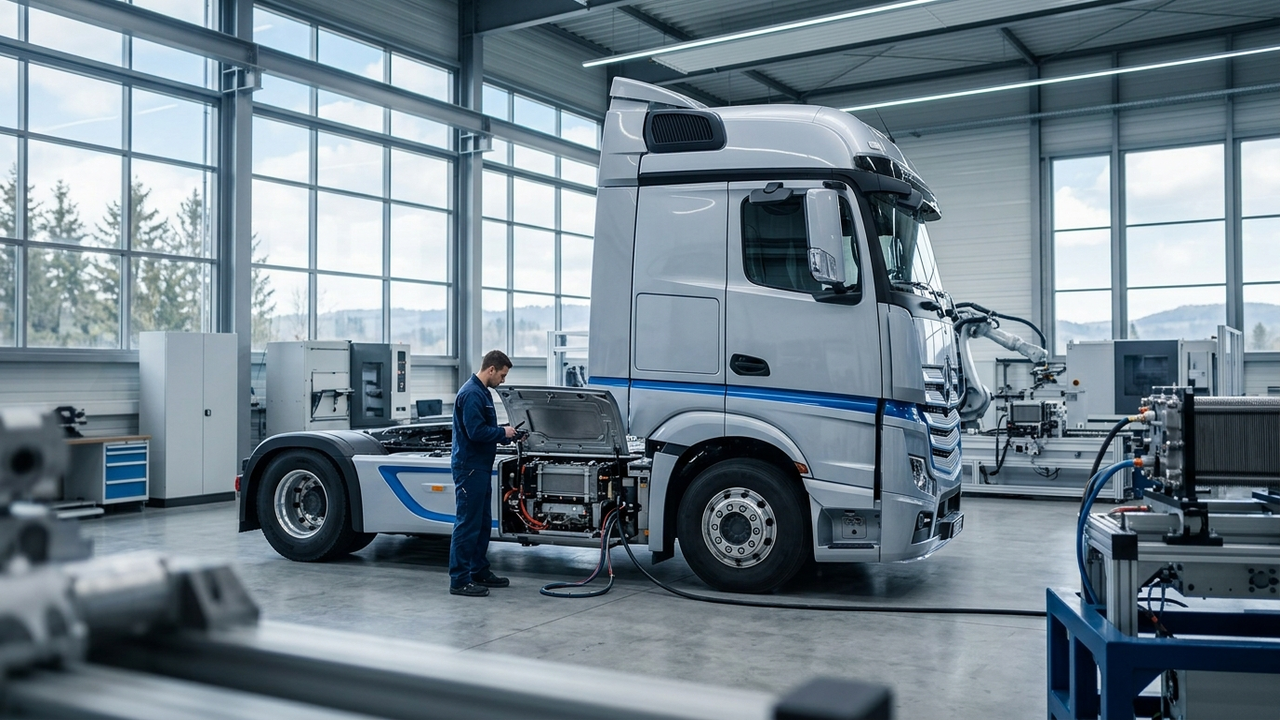
The global commercial transportation sector is a major contributor to greenhouse gas emissions and faces increasing pressure for decarbonization. While battery electric vehicles (BEVs) are suitable for shorter-haul transport, heavy-duty trucks operating over long distances and carrying heavy loads face significant limitations with battery weight, prolonged charging times, and insufficient range. In this context, fuel cell electric vehicles (FCEVs) offer a compelling alternative solution to these BEV challenges, thanks to their rapid hydrogen refueling capabilities and lightweight hydrogen storage systems. Ballard Power Systems has long been a pioneer in fuel cell technology, and this announcement reinforces its leadership in the heavy-duty commercial vehicle market.
Key Findings
Ballard Power Systems has announced its next-generation fuel cell technology, meticulously designed to meet the rigorous operational demands of heavy-duty trucks. This new system delivers notable enhancements in durability, energy conversion efficiency, and overall power output compared to previous iterations. This technological advancement is paramount for accelerating the adoption of fuel cell electric vehicles (FCEVs) in the rapidly growing zero-emission commercial vehicle market, particularly within the long-haul transportation sector.
Technical Details
The newly developed fuel cell system represents a further evolution of Ballard’s proprietary Proton Exchange Membrane (PEM) technology. Anticipated improvements include a more robust cell stack design, optimized flow field structures, and advanced thermal management systems. These enhancements collectively contribute to increased system reliability and an extended operational lifespan under severe conditions. Furthermore, the system is expected to feature reduced use of noble metal catalysts and employ more efficient electrolyte membrane materials, leading to improved cost-effectiveness while boosting the efficiency of hydrogen-to-electricity conversion. This translates directly to longer ranges between refueling stops and a significant reduction in total cost of ownership (TCO). The technology’s ability to consistently deliver the high power required by fully loaded heavy-duty trucks makes it a more viable and competitive replacement for traditional diesel engines.
Strategic Significance & Outlook
The introduction of this new fuel cell technology is expected to be a significant catalyst for accelerating the adoption of hydrogen fuel cell solutions within the heavy-duty truck industry. Ballard is anticipated to actively pursue market introduction of this new system through strategic partnerships with leading truck manufacturers and logistics companies. Providing more durable, efficient, and cost-competitive fuel cell systems will shorten the return on investment for customers and encourage fleet-wide decarbonization. In the future, this technology holds substantial potential for application in other heavy-duty transport segments, such as city buses, trains, and marine vessels, contributing to a sustainable future for the entire global transportation sector. This advancement signifies that fuel cell technology is no longer a niche solution but is solidifying its position as a mainstream technology for critical transportation applications.
Source: #
Get our weekly technology intelligence — free
Receive an infographic that lets you judge at a glance whether each field’s analysis report is worth reading.
Subscribe Free — Weekly Tech Intelligence
By subscribing, you’ll receive Troy-Technical’s weekly technology intelligence newsletter.
- Your email and selected fields are used only to deliver the newsletter.
- We never share your information with third parties.
- You can unsubscribe anytime via the link in each email.
See our Privacy Policy for details.
Takes about a minute · Unsubscribe anytime






Comments