
Key Findings
The field of soft robotics is evolving into a new frontier by integrating sustainability with functionality. Innovative materials such as new fluorine-free surface chemistries, self-healing hydrogels, and dynamic covalent polymer networks have been developed, holding the potential to significantly enhance device lifespan and reparability while reducing environmental impact.
Technical / Clinical Details
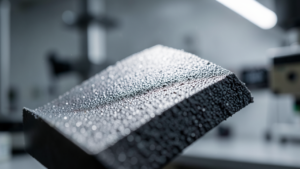
These novel materials enable soft robots to operate for longer periods and more efficiently. Fluorine-free surface chemistries address environmental and health concerns associated with traditional fluorine-containing materials while still achieving excellent water repellency and antifouling properties. Self-healing hydrogels possess the autonomous ability to repair minor damage, substantially extending the operational life of devices. Dynamic covalent polymer networks mean that materials are reprocessable; this allows devices to be disassembled after use and their components recycled into new robots or parts, thereby reducing waste and promoting circular resource utilization. These materials will prove invaluable across diverse applications in soft robotics, including healthcare, exploration, and manufacturing.
Background & Context
Soft robotics has opened new possibilities for performing tasks challenging for traditional rigid robots due to their flexibility and adaptability. However, environmental concerns associated with the manufacturing and disposal of these devices, coupled with durability issues, have hindered their widespread adoption. Sustainability is becoming an increasingly critical consideration in modern manufacturing, and these advancements in materials science offer direct solutions to these challenges.
Strategic Significance & Outlook
The adoption of sustainable materials and design principles in soft robotics will accelerate the growth of this field. The development of modular architectures and reprocessable material systems will transform the entire lifecycle of devices, from design and manufacturing to eventual recycling. As a result, soft robots are expected to become more environmentally friendly and economically viable solutions, seeing increased practical application in sectors like healthcare, disaster relief, logistics, and even consumer products. Investors should note that extended product lifecycles and compliance with environmental regulations will generate long-term market value.
Source: https://pubs.acs.org/doi/10.1021/acsnano.6b04321
Get our weekly technology intelligence — free
Receive an infographic that lets you judge at a glance whether each field’s analysis report is worth reading.
Subscribe Free — Weekly Tech Intelligence
By subscribing, you’ll receive Troy-Technical’s weekly technology intelligence newsletter.
- Your email and selected fields are used only to deliver the newsletter.
- We never share your information with third parties.
- You can unsubscribe anytime via the link in each email.
See our Privacy Policy for details.
Takes about a minute · Unsubscribe anytime








Comments