Key Findings
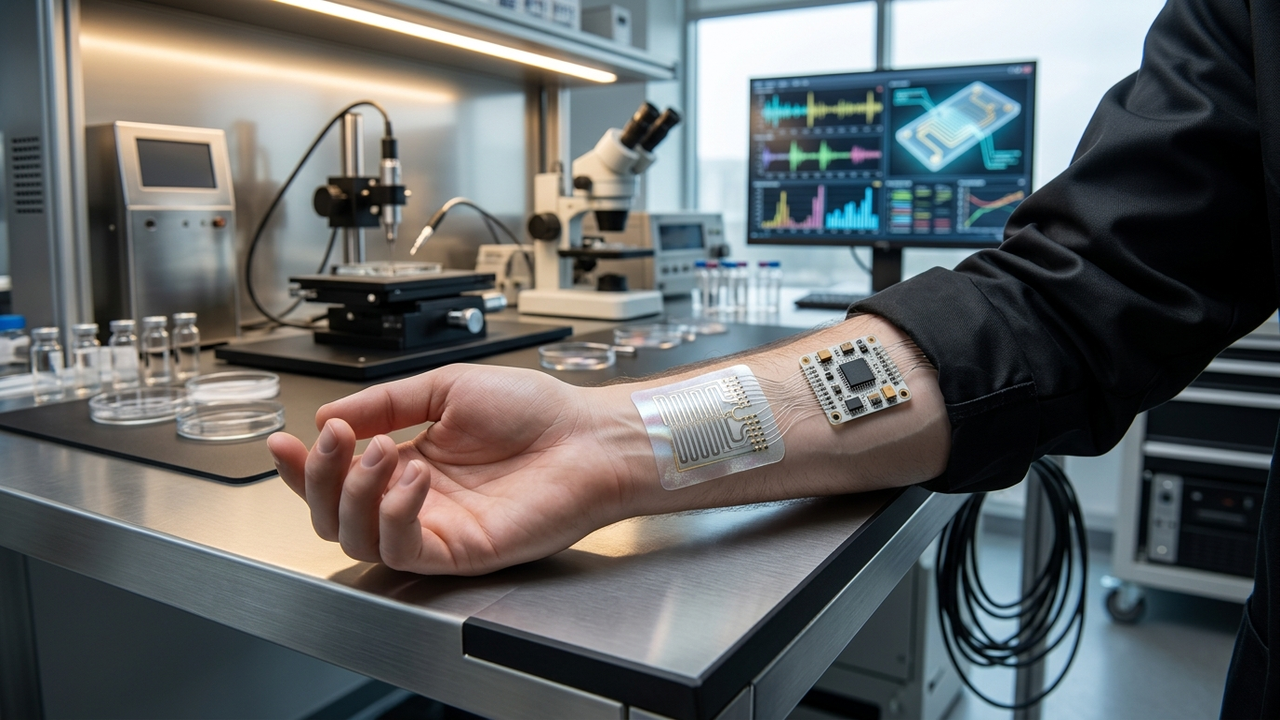
A new flexible, biocompatible, and sustainable piezoelectric bio-composite film has been developed by integrating lysozyme (LSZ), a natural protein, into a polyvinyl alcohol (PVA) matrix. This groundbreaking material exhibits a pronounced piezoelectric response, efficiently converting mechanical energy into electrical energy, opening new avenues in the field of wearable and bio-integrated electronics.
Technical / Clinical Details
The developed lysozyme-PVA composite film is suitable for devices requiring direct contact with biological systems due to its excellent biocompatibility. LSZ is known for its piezoelectric properties stemming from its crystalline structure and charge distribution. When integrated with PVA, it forms a composite that generates stable and strong electrical signals in response to mechanical strain or pressure. Specific applications include:
- Flexible Pressure Sensors: Adhering closely to human skin, these can highly sensitively monitor physiological signals such as pulse and blood pressure.
- Wearable Strain Gauges: Accurately detecting muscle movements and joint flexion/extension for applications in sports science and rehabilitation.
- Biomedical Devices: Converting minute mechanical stimuli within the body into electrical signals for therapeutic and diagnostic uses.
This composite film addresses the environmental burden and biocompatibility issues associated with traditional lead-based piezoelectric ceramics, positioning it as a safer and more sustainable alternative material.
Background & Context
Modern society sees increasing demand for personalized healthcare and bio-monitoring, leading to rapid growth in the wearable electronics market. In this market, device flexibility, comfort, and, most importantly, biocompatibility are paramount. While conventional piezoelectric materials offer high performance, they often contain hazardous substances like lead, limiting their application in biomedical contexts. The development of piezoelectric bio-composite films using natural materials like lysozyme offers an innovative solution to this challenge, accelerating innovation in the medical and healthcare sectors.
Strategic Significance & Outlook
The advent of lysozyme-PVA composite films holds significant potential to transform the fields of bioelectronics and wearable healthcare. In the future, self-powered devices and multi-parameter physiological monitoring systems based on these materials will likely become a reality. This will contribute to advancements in preventive medicine, early disease detection, and personalized medicine, enhancing patients’ quality of life while also potentially reducing healthcare costs. Investors and medical device manufacturers should pay close attention to the long-term market growth and societal contribution potential offered by this sustainable and high-performance new material.
Get our weekly technology intelligence — free
Receive an infographic that lets you judge at a glance whether each field’s analysis report is worth reading.
Subscribe Free — Weekly Tech Intelligence
By subscribing, you’ll receive Troy-Technical’s weekly technology intelligence newsletter.
- Your email and selected fields are used only to deliver the newsletter.
- We never share your information with third parties.
- You can unsubscribe anytime via the link in each email.
See our Privacy Policy for details.
Takes about a minute · Unsubscribe anytime








Comments