Key Findings
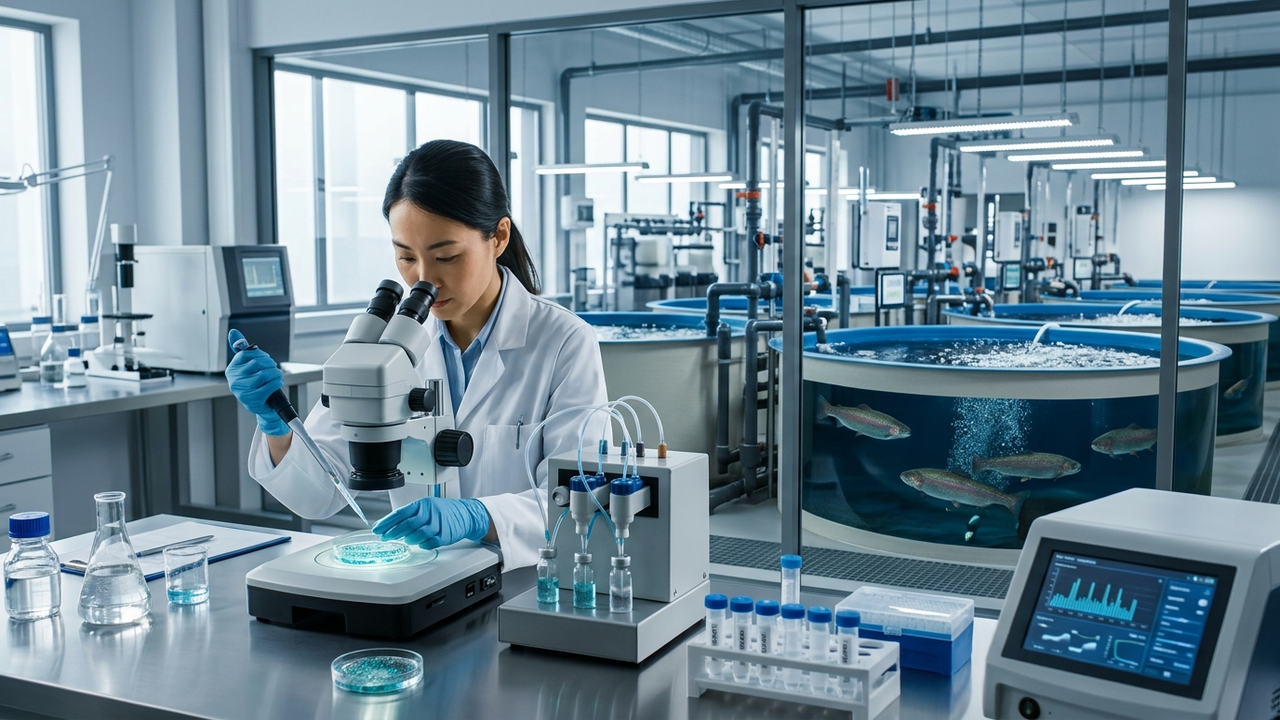
A comprehensive review published in the journal *Biology* underscores the vast potential of nanoparticles to revolutionize aquaculture through enhanced antimicrobial treatments, precise drug and vaccine delivery, advanced disease diagnostics, and sustainable water remediation. The review particularly emphasizes the efficacy of nanoscale mixed-metal composites in wastewater treatment through adsorption and catalytic degradation, as well as the ability of metallic nanoparticles to inactivate a broad spectrum of microorganisms.
Technical / Clinical Details
The review details diverse applications of nanotechnology within aquaculture. For antimicrobial treatments, nanoparticles can directly target pathogens, potentially reducing the development of antibiotic-resistant strains. In drug and vaccine delivery, these nanocarriers enable selective transport to specific tissues or cells, thereby optimizing dosage and maximizing therapeutic impact. For disease diagnostics, highly sensitive nanoparticle-based sensors are capable of detecting minute quantities of pathogens and biomarkers at early stages of infection. Furthermore, in water remediation, nanoscale mixed-metal composites effectively remove pollutants such as heavy metals, pesticides, and antibiotics from wastewater with high efficiency, through mechanisms like adsorption and catalytic breakdown. Experimental data also reveal the potent ability of these nanoparticles to inactivate various bacteria and viruses, contributing to improved water quality and biosecurity.
Background & Context
Aquaculture plays a vital role in global food security but confronts significant challenges, including widespread disease outbreaks, the overuse of antibiotics leading to antimicrobial resistance, and environmental pollution. These issues hinder sustainable growth, impact consumer health, and threaten ecological balance. Nanotechnology offers a suite of environmentally friendly, efficient, and sustainable solutions to these persistent problems. Critically, technologies that reduce antibiotic reliance and improve water quality are essential for enhancing the overall sustainability and resilience of the aquaculture industry.
Strategic Significance & Outlook
While nanoparticles show highly promising results in laboratory settings for aquaculture applications, their large-scale commercial implementation faces several barriers. These include the need for cost-effective mass production, thorough environmental fate and long-term safety assessments, and the establishment of robust regulatory frameworks. Accelerating research and investment to overcome these challenges could position nanoparticle technology as a transformative force in the future of aquaculture, leading to safer and more sustainable food production systems globally.
Source: #
Get our weekly technology intelligence — free
Receive an infographic that lets you judge at a glance whether each field’s analysis report is worth reading.
Subscribe Free — Weekly Tech Intelligence
By subscribing, you’ll receive Troy-Technical’s weekly technology intelligence newsletter.
- Your email and selected fields are used only to deliver the newsletter.
- We never share your information with third parties.
- You can unsubscribe anytime via the link in each email.
See our Privacy Policy for details.
Takes about a minute · Unsubscribe anytime




Comments