Key Findings
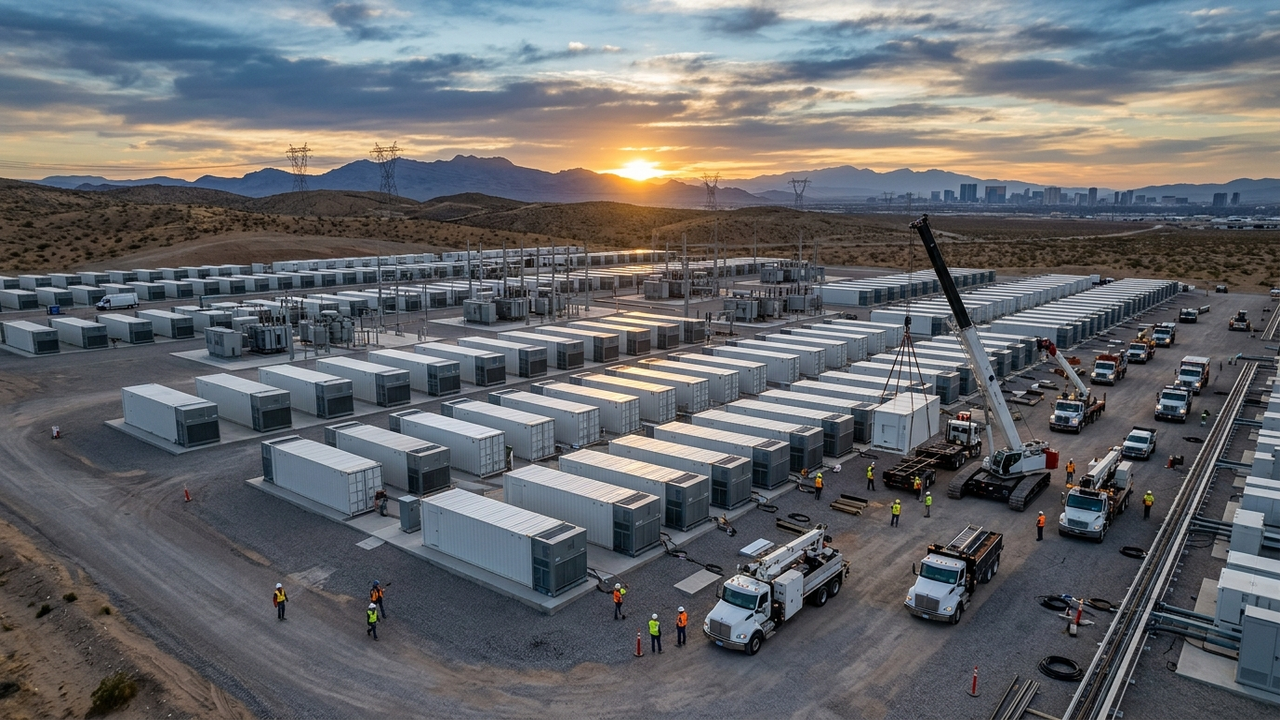
The United States is poised for an unprecedented surge in utility-scale battery deployment, with projections indicating that 24,000 MW of new capacity will be installed in 2026. This represents a remarkable 60% increase compared to the previous year, highlighting an accelerating shift towards robust energy storage solutions. This significant expansion underscores the urgent domestic demand for technologies capable of stabilizing the electricity grid and effectively managing the intermittent power generation from renewable energy sources, such as solar and wind.
Technical / Clinical Details
Utility-scale battery systems are foundational infrastructure for accelerating the integration of renewable energy. These systems provide critical grid services, including peak shifting, frequency regulation, and optimization of transmission capacity, all vital for maintaining grid stability by balancing generation and demand. The continued development of next-generation battery technologies, such as solid-state batteries, promises to make these systems even more efficient, safer, and capable of providing longer-duration energy storage. A capacity of 24,000 MW is equivalent to powering millions of homes for several hours, dramatically improving grid resilience and reliability across the nation.
Background & Context
The U.S. energy infrastructure is undergoing a significant transformation, driven by ambitious decarbonization goals and a transition towards renewable energy. This rapid adoption of battery storage systems is fueled by a confluence of supportive federal policies, ongoing technological innovations, and the decreasing cost of renewable energy generation itself. This ‘battery gold rush’ is propelled by the dual objectives of combating climate change and achieving greater energy independence. Investments in large-scale battery projects are not only enhancing grid reliability but also creating new jobs and stimulating economic growth in communities across the country.
Strategic Significance & Outlook
The substantial increase in battery capacity in 2026 marks a crucial step towards achieving the U.S.’s clean energy targets. This trend is expected to continue, with further advancements in battery technology—especially the commercialization of long-duration, lower-cost solid-state batteries—poised to expand the economic viability and applicability of utility-scale storage even further. Policymakers, investors, and technology developers must closely monitor the dynamics of this rapidly growing market to adapt to the increasing role of battery storage in shaping the future electricity grid. This trajectory promises a more stable, sustainable, and resilient energy system for the nation.
Source: https://www.projectfinance.law/publications/battery-gold-rush
Get our weekly technology intelligence — free
Receive an infographic that lets you judge at a glance whether each field’s analysis report is worth reading.
Subscribe Free — Weekly Tech Intelligence
By subscribing, you’ll receive Troy-Technical’s weekly technology intelligence newsletter.
- Your email and selected fields are used only to deliver the newsletter.
- We never share your information with third parties.
- You can unsubscribe anytime via the link in each email.
See our Privacy Policy for details.
Takes about a minute · Unsubscribe anytime









Comments