Key Findings
Intel’s EMIB (Embedded Multi-die Interconnect Bridge) advanced packaging technology, particularly its EMIB-T (EMIB on Tile) variant, is drawing significant interest from leading technology companies, including Google, amidst ongoing supply constraints for TSMC’s CoWoS (Chip-on-Wafer-on-Substrate) packaging. Intel projects that its advanced packaging business, spearheaded by EMIB-T, will begin making substantial revenue contributions in late 2027 and become a major contributor to the company’s overall revenue by 2029. This business segment is reported to target approximately 40% gross margins and 30% operating margins with relatively low capital expenditure, positioning it as a critical pillar of Intel’s long-term growth strategy.
Technical & Clinical Details
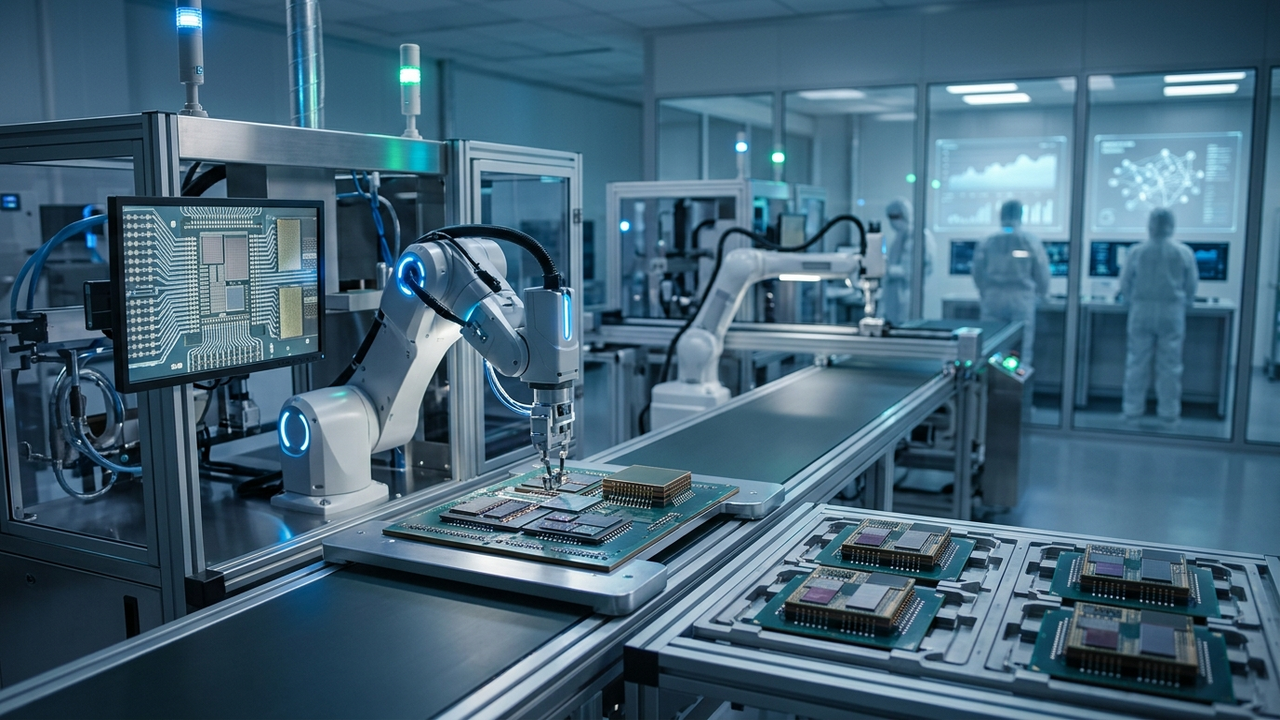
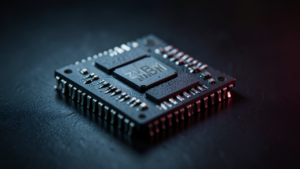
EMIB is a cutting-edge technology that connects multiple chiplets (small semiconductor dies) manufactured on different process nodes through a high-performance, low-power bridge. This approach offers enhanced design flexibility, improved cost efficiency, and better manufacturing yields compared to producing a single, monolithic chip. EMIB-T further evolves this technology to meet the demands of highly integrated AI and High-Performance Computing (HPC) chips. A key advantage of EMIB is its ability to embed a silicon bridge directly within the substrate, eliminating the need for an interposer like CoWoS, which can reduce package height and cost.
Currently, TSMC’s CoWoS capacity is severely strained due to the explosive demand for AI chips, prompting major technology companies to seek supply diversification. Intel’s EMIB-T presents an attractive alternative solution, with MediaTek officially announcing its parallel adoption of both CoWoS and EMIB-T for the development of its ultra-large AI ASICs. Furthermore, SK hynix is reportedly receiving EMIB-enabled substrates from Intel to explore co-packaging solutions for HBM and system semiconductors, signaling a growing trend towards diversifying the advanced packaging supply chain.
Background & Context
The rapid advancement of AI is driving a new paradigm shift in the semiconductor industry, where not just chip performance but also overall system integration and packaging technology are becoming decisive competitive factors. Intel, traditionally an Integrated Device Manufacturer (IDM), has been strengthening its foundry services (Intel Foundry Services, IFS) in recent years, aiming to boost its market presence by offering advanced process and packaging technologies to third parties. EMIB technology is a crucial component of Intel’s proposed chiplet ecosystem, and by aligning with open interface standards like Universal Chiplet Interconnect Express (UCIe), it is expected to significantly enhance the flexibility of future semiconductor designs.
Strategic Significance & Outlook
Intel’s EMIB-T has the potential to establish itself as a critical alternative advanced packaging solution in the AI and HPC markets as long as CoWoS supply constraints persist. The projection of significant contributions from Intel’s advanced packaging business by 2029 underscores the company’s view of packaging as a key differentiator within its foundry strategy. This move is expected to promote diversification across the broader semiconductor supply chain, reducing reliance on single packaging technologies. With its robust profit margin targets and relatively low capital expenditure requirements, Intel is positioning this advanced packaging business as a high-growth, high-profit driver to enhance its long-term competitiveness.
Get our weekly technology intelligence — free
Receive an infographic that lets you judge at a glance whether each field’s analysis report is worth reading.
Subscribe Free — Weekly Tech Intelligence
By subscribing, you’ll receive Troy-Technical’s weekly technology intelligence newsletter.
- Your email and selected fields are used only to deliver the newsletter.
- We never share your information with third parties.
- You can unsubscribe anytime via the link in each email.
See our Privacy Policy for details.
Takes about a minute · Unsubscribe anytime





Comments