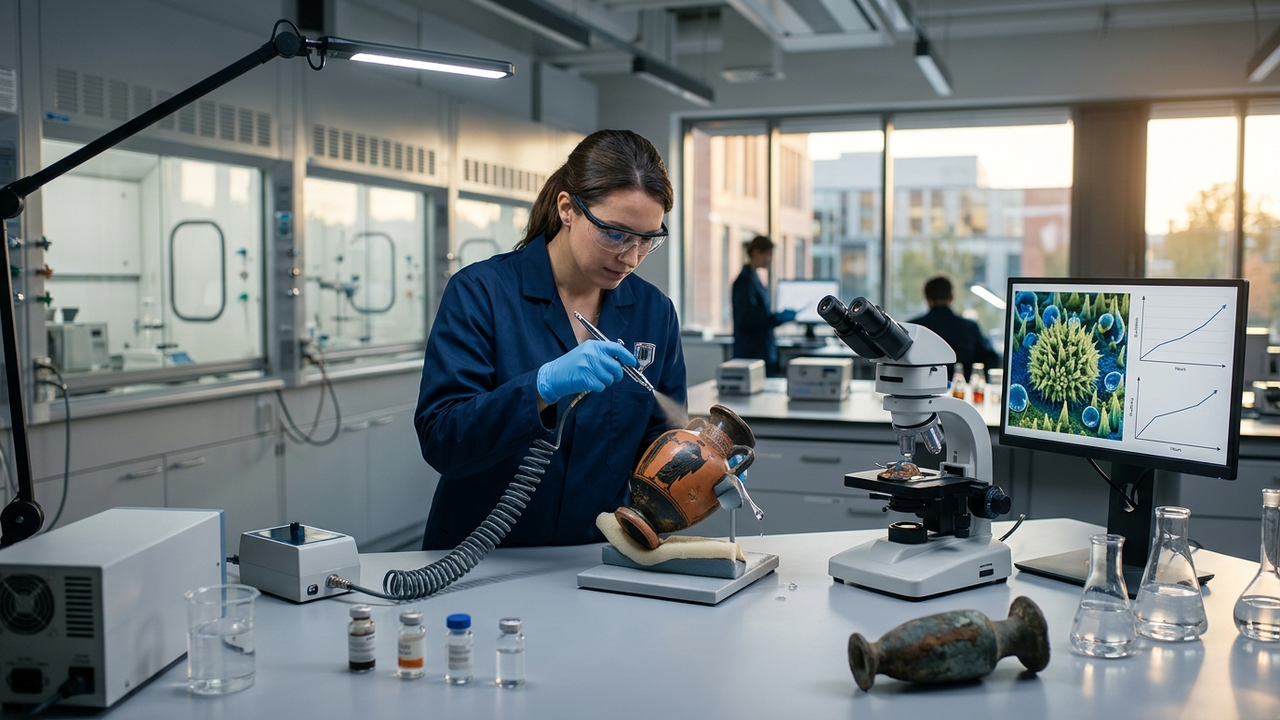
In the preservation of cultural heritage, protection against environmental degradation is a pressing concern. New research published in ACS Publications presents an innovative fluorinated coating strategy designed to protect metallic and wooden cultural heritage materials, particularly bronze surfaces, with a durable hydrophobic barrier and long-term corrosion resistance.
Key Findings
- Developed a novel coating strategy based on fluorinated aqueous polyurethane and fluorinated Paraloid B72.
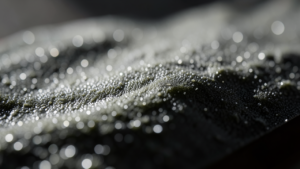
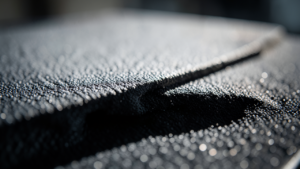
- Forms unique ‘urchin-like’ self-assembled micro/nanostructures on bronze surfaces.
- This structure provides a durable hydrophobic and long-term corrosion-resistant barrier.
- Indicates high effectiveness for the preservation of metallic and wooden cultural heritage materials.
Technical Details
The developed coating consists of two main components: fluorinated aqueous polyurethane and fluorinated Paraloid B72. When these components are mixed in specific proportions and applied to a substrate surface, they undergo a self-assembly process to form the characteristic ‘urchin-like’ micro/nanostructures. This unique surface morphology traps air pockets, maximizing the contact angle with water droplets and resulting in superhydrophobicity. Simultaneously, the high chemical stability of the fluorinated polymer and the dense barrier layer prevent the ingress of oxygen, moisture, and pollutants, inhibiting substrate corrosion over long periods. In accelerated degradation tests using bronze specimens, this coating demonstrated superior hydrophobicity and corrosion resistance, significantly slowing down the progression of degradation compared to untreated specimens and conventional protective coatings.
Background & Context
Museums and archaeological sites worldwide house numerous valuable cultural heritage objects made of metal and wood. These artifacts are constantly exposed to threats of corrosion and degradation from natural environmental factors such as acid rain, atmospheric pollution, moisture, and UV radiation, as well as anthropogenic factors. Outdoor bronze sculptures, for example, require significant cost and effort for maintenance. Existing protective coatings and wax treatments often suffer from low durability, cause visual alterations, or are difficult to reapply. This new self-assembled nanostructured coating offers a novel path in cultural heritage protection by providing stable long-term protection while respecting the original appearance of the materials.
Strategic Significance & Outlook
This fluorinated self-assembled coating holds significant potential as a powerful tool for cultural heritage conservation specialists and restorers. Its durability and effective protective functions will greatly extend the lifespan of artifacts exposed to harsh environments, particularly outdoor sculptures and structures, as well as archaeological finds. Future research will focus on evaluating its applicability to various types of metals and wood, conducting long-term field tests, and developing application methods that do not compromise the aesthetic value of cultural heritage. Widespread adoption of this technology is expected to make a substantial contribution to preserving precious cultural assets for future generations.
Get our weekly technology intelligence — free
Receive an infographic that lets you judge at a glance whether each field’s analysis report is worth reading.
Subscribe Free — Weekly Tech Intelligence
By subscribing, you’ll receive Troy-Technical’s weekly technology intelligence newsletter.
- Your email and selected fields are used only to deliver the newsletter.
- We never share your information with third parties.
- You can unsubscribe anytime via the link in each email.
See our Privacy Policy for details.
Takes about a minute · Unsubscribe anytime



Comments