Background
Traditional autologous cell therapies, which use a patient’s own cells, face significant hurdles related to manufacturing complexity, high costs, and limited scalability, making them accessible to only a select few. Allogeneic therapies, in contrast, utilize donor-derived cells that can be mass-produced and stored, offering a ready-to-use product. This ‘off-the-shelf’ paradigm is highly attractive for expanding access to advanced immunotherapies like CAR-T cells. The current manufacturing innovations are essential for overcoming the logistical and economic constraints that have previously limited the widespread application of these powerful treatments.
Key Findings
The field of allogeneic (off-the-shelf) cell therapy manufacturing is being rapidly transformed by the adoption of automated, closed-system bioreactors and the integration of artificial intelligence (AI) and machine learning for real-time process monitoring. These technological advancements are dramatically improving the scalability, reproducibility, and cost-effectiveness of immunotherapies, accelerating their clinical and commercial potential in regenerative medicine.
Technical & Clinical Details
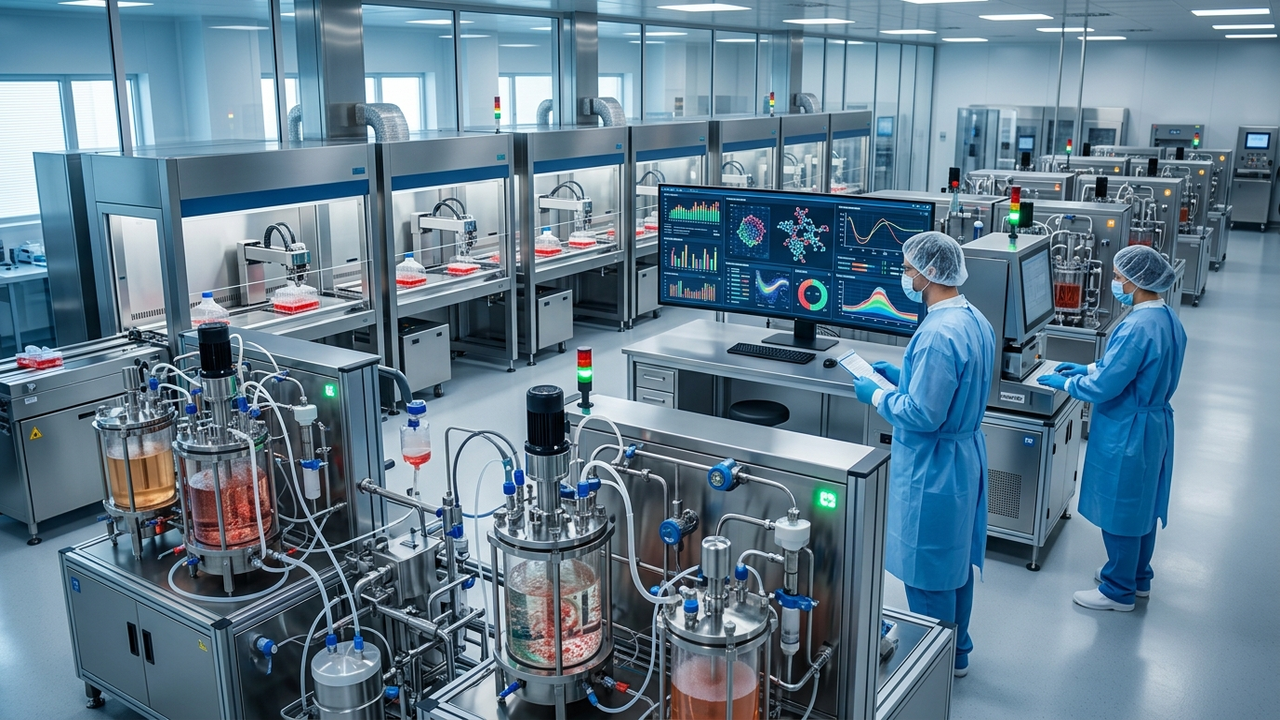
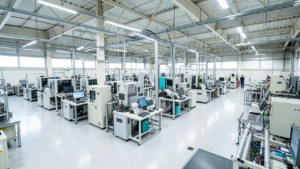
- Automated Bioreactors: The implementation of automated bioreactors, particularly those designed as closed systems, standardizes and streamlines the cell culture process. This reduces manual labor, minimizes the risk of contamination, and simplifies adherence to Good Manufacturing Practice (GMP) standards, which are critical for therapeutic product approval.
- AI and Machine Learning Integration: By incorporating AI and machine learning algorithms, manufacturers can achieve real-time monitoring and optimization of cell culture conditions. This capability allows for more precise control over cell growth, quality attributes, and yield prediction, ultimately reducing batch-to-batch variability and improving overall process robustness.
- Critical Process Steps: Allogeneic cell therapy manufacturing encompasses several complex stages, including stringent cell source selection (e.g., from healthy donors), precise genetic modification to enhance therapeutic efficacy or reduce immunogenicity, and immune modulation strategies to ensure the cells are well-tolerated upon administration. Innovations in these areas are crucial for product safety and effectiveness.
Strategic Significance & Outlook
The ongoing advancements in allogeneic cell therapy manufacturing are pivotal for the future of regenerative medicine. Improved scalability and reduced costs mean that these therapies can transition from niche treatments to more widely available options for a broad spectrum of diseases, including various cancers and autoimmune disorders. The enhanced reproducibility and quality assurance facilitated by automation and AI will also streamline regulatory processes and bolster investor confidence. As these technologies mature, allogeneic cell therapies are poised to become a cornerstone of personalized medicine, offering robust, consistent, and affordable therapeutic solutions globally.
Get our weekly technology intelligence — free
Receive an infographic that lets you judge at a glance whether each field’s analysis report is worth reading.
Subscribe Free — Weekly Tech Intelligence
By subscribing, you’ll receive Troy-Technical’s weekly technology intelligence newsletter.
- Your email and selected fields are used only to deliver the newsletter.
- We never share your information with third parties.
- You can unsubscribe anytime via the link in each email.
See our Privacy Policy for details.
Takes about a minute · Unsubscribe anytime





Comments