Key Findings
The core of this research topic is how the utilization of big data technologies, Artificial Intelligence (AI), and Machine Learning (ML) approaches can dramatically enhance the speed, efficiency, and quality of biopharmaceutical manufacturing. By implementing interoperable data management solutions, advanced modeling, simulation, and digital twins, the entire manufacturing process is optimized, ensuring a stable supply of high-quality bioproducts.
Technical and Clinical Details
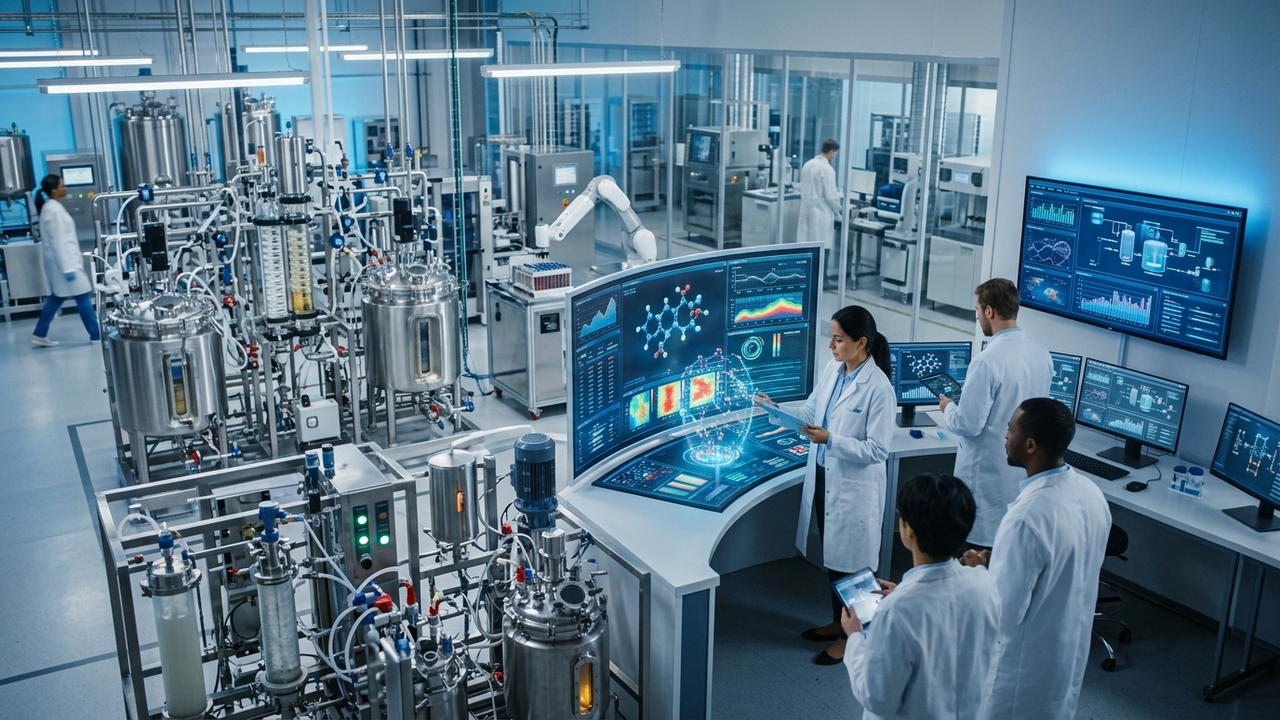
Big data-driven approaches in biopharmaceutical manufacturing begin with collecting, integrating, and analyzing vast amounts of data generated from diverse sources. This includes bioreactor sensor data, in-line measurements from Process Analytical Technology (PAT), Quality Control (QC) data, and historical batch records. Interoperable data management solutions integrate these heterogeneous datasets into a standardized format, providing a holistic perspective. ML algorithms identify complex patterns within the data and predict process behavior. Digital twins act as virtual replicas of physical processes, incorporating real-time data to test ‘what-if’ scenarios through simulations, thereby assisting in process optimization and troubleshooting. This enables real-time monitoring of Critical Quality Attributes (CQAs) and dynamic adjustment of Critical Process Parameters (CPPs).
Background and Industry Context
Biopharmaceutical manufacturing has perpetually faced challenges in maintaining quality and productivity due to its inherent complexity and variability. With the advent of advanced therapies like cell and gene therapy products, the intensification and efficiency of manufacturing processes have become urgent priorities. Traditional manufacturing approaches often relied on extensive manual work and empirical rules, typically leading to prolonged scale-up and troubleshooting times. The introduction of big data and AI/ML offers a more scientific and data-driven solution to these challenges. Regulatory bodies are also encouraging the use of these advanced technologies for process optimization, fostering the realization of smart factories based on Industry 4.0 principles.
Strategic Significance and Outlook
The application of big data technologies and AI/ML to biopharmaceutical manufacturing is still in its nascent stages, yet its potential is immense. In the future, these technologies are expected to be widely integrated across the entire manufacturing lifecycle, from early development to commercial production, accelerating innovation and improving cost-efficiency. Particularly with the progression of personalized medicine, which demands high-mix, low-volume production, flexible and adaptive manufacturing platforms are indispensable. Big data and AI/ML are poised to overcome these challenges, becoming central drivers in ushering in a new ‘golden age’ for biopharmaceuticals.
Get our weekly technology intelligence — free
Receive an infographic that lets you judge at a glance whether each field’s analysis report is worth reading.
Subscribe Free — Weekly Tech Intelligence
By subscribing, you’ll receive Troy-Technical’s weekly technology intelligence newsletter.
- Your email and selected fields are used only to deliver the newsletter.
- We never share your information with third parties.
- You can unsubscribe anytime via the link in each email.
See our Privacy Policy for details.
Takes about a minute · Unsubscribe anytime









Comments