Background and Context
Heart disease continues to be the leading global cause of mortality, with heart failure following myocardial infarction (heart attack) presenting particularly challenging treatment dilemmas. Myocardial cells possess inherently limited regenerative capacity, making natural recovery difficult and often leading to progressive heart failure. Earlier regenerative medicine strategies, such as direct stem cell injection and cell sheet transplantation, have encountered significant hurdles, including suboptimal cell engraftment rates and compromised long-term therapeutic efficacy.
In response to these limitations, bioengineered cardiac patches have emerged as a highly promising advanced approach. These patches aim to substantially enhance cell survival and functional integration within the damaged myocardium. This burgeoning field is also seeing rapid advancements from other institutions, notably Duke University, which is actively developing similar human pluripotent stem cell-derived bioengineered cardiac patches, underscoring the global strategic importance of this research direction.
Key Findings
The research team at Nanjing Drum Tower Hospital has made a significant advancement in stem cell-based cardiac regeneration. Their studies in animal models conclusively demonstrate the efficacy of a novel bioengineered cardiac patch in promoting the functional recovery of myocardial tissue severely damaged by infarction. This patch was shown to seamlessly integrate with the host cardiac tissue, leading to substantial improvements in overall heart function.
Technical Details
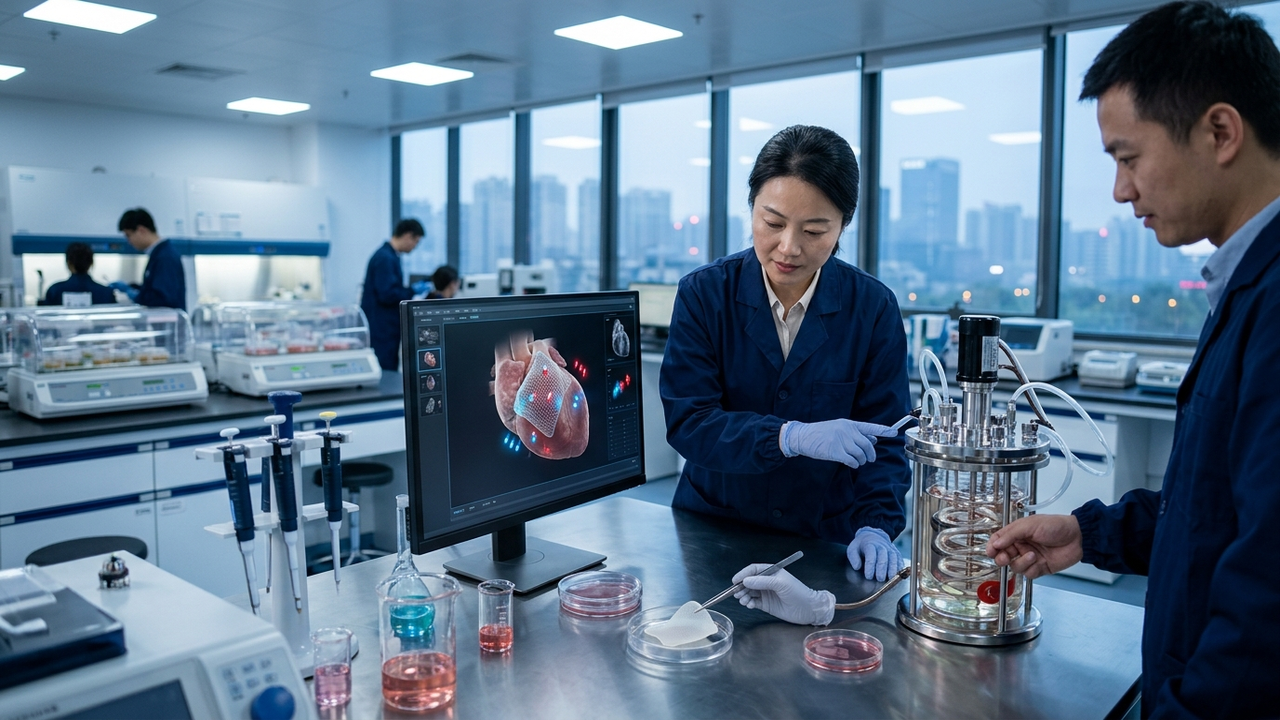
The core of this technology is a bioengineered cardiac patch, meticulously constructed by integrating stem cells (hypothesized to be pluripotent or mesenchymal stem cells, though not precisely detailed) with advanced biocompatible and biodegradable scaffold materials. This scaffold is engineered to provide an optimal microenvironment, facilitating the survival, proliferation, and differentiation of the engrafted cells.
In extensive animal studies involving models of myocardial infarction, transplantation of this patch to the damaged cardiac sites robustly promoted several key regenerative processes. These included significant angiogenesis (formation of new blood vessels) and direct regeneration of the damaged myocardium, while simultaneously suppressing detrimental inflammatory responses. Clinically, these cellular and tissue-level improvements translated into enhanced cardiac contractile function and substantial gains in critical performance indicators, such as Left Ventricular Ejection Fraction (LVEF). The patch functions by offering both essential mechanical and biological support to the injured heart tissue, crucially re-establishing electrical coupling, thereby accelerating comprehensive cardiac functional recovery.
Strategic Significance and Outlook
This breakthrough from Nanjing Drum Tower Hospital represents a pivotal milestone on the path towards the clinical translation of cardiac regenerative medicine. Future research will meticulously focus on comprehensive preclinical studies to rigorously confirm long-term safety and efficacy, paving the way for eventual human clinical trials. A key validation point will be the demonstrated therapeutic effect for treating extensive myocardial infarctions and advanced chronic heart failure, conditions currently lacking effective restorative options.
If successfully translated, this technology holds the potential to dramatically enhance the quality of life for countless heart failure patients and significantly extend their prognosis, truly embodying a transformative therapeutic approach. Looking further ahead, the prospects include the development and manufacturing of patient-customized cardiac patches, which would be a monumental step towards realizing the full vision of personalized regenerative medicine.
Get our weekly technology intelligence — free
Receive an infographic that lets you judge at a glance whether each field’s analysis report is worth reading.
Subscribe Free — Weekly Tech Intelligence
By subscribing, you’ll receive Troy-Technical’s weekly technology intelligence newsletter.
- Your email and selected fields are used only to deliver the newsletter.
- We never share your information with third parties.
- You can unsubscribe anytime via the link in each email.
See our Privacy Policy for details.
Takes about a minute · Unsubscribe anytime





Comments