Background
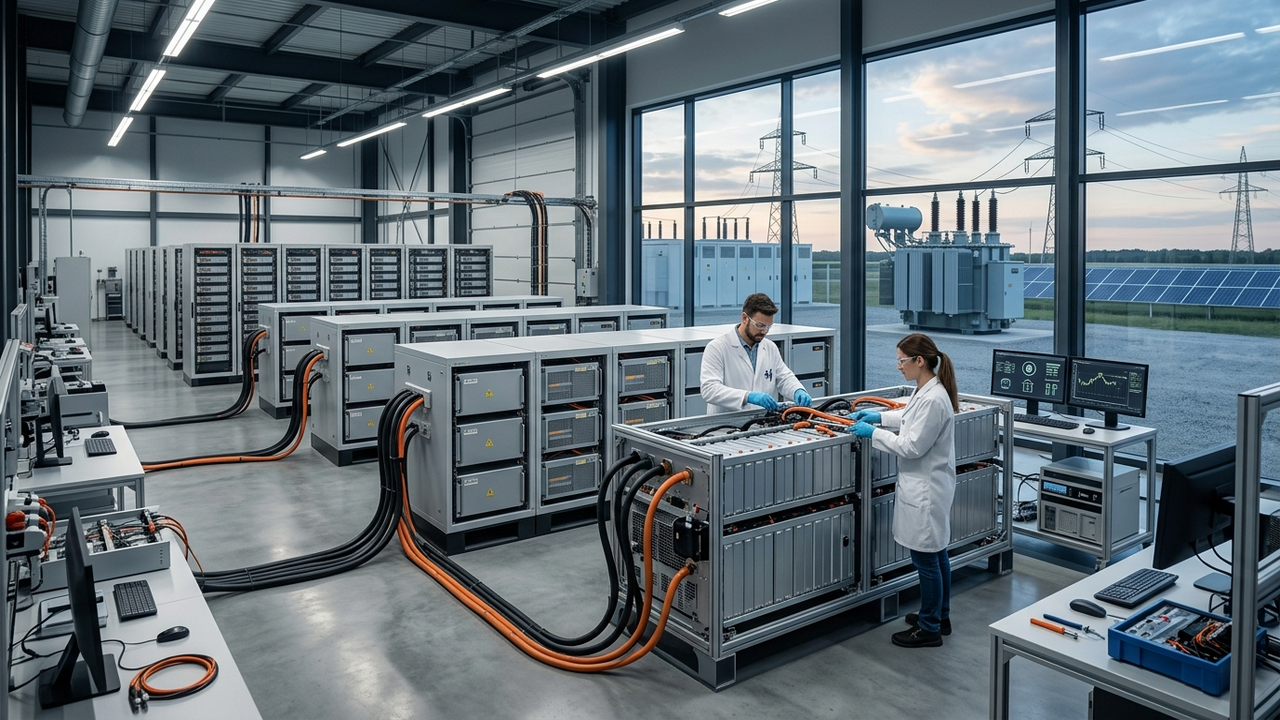
The global energy landscape is undergoing a rapid transformation towards decarbonization and increased reliance on renewable energy sources, leading to greater variability in power grids. Large-scale, highly reliable energy storage systems are thus becoming indispensable for grid stabilization and the effective storage of excess renewable energy. While lithium iron phosphate (LFP) batteries are gaining traction in the grid storage market, sodium-ion batteries (NIBs) offer a compelling alternative due to their resource sustainability, abundant materials, and potentially superior cost-performance ratio. This Japanese public-private partnership represents a strategic national effort to establish international competitiveness in this vital sector, aiming to enhance energy self-sufficiency and foster industrial growth through advanced battery technologies.
Key Findings
A project spearheaded by the New Energy and Industrial Technology Development Organization (NEDO) is making significant strides in developing next-generation sodium-ion battery (NIB) technology specifically for grid-scale energy storage systems, targeting commercialization by the mid-2030s. This initiative aims to provide essential large-scale storage solutions crucial for stabilizing power grids and accelerating the integration of renewable energy sources.
The project is led by Professor Shinichi Komaba of Tokyo University of Science and involves a robust consortium of 13 academic and industrial partners, including prominent companies such as GS Yuasa, Kuraray, and Toagosei. These NIBs leverage the abundant and inexpensive nature of sodium, offering a significant cost advantage over lithium-based alternatives. Crucially, these batteries are demonstrating promising performance in terms of longevity—a paramount requirement for grid storage applications—potentially outperforming existing lithium iron phosphate (LFP) batteries in this regard. This strategic focus on durability over gravimetric energy density positions NIBs as a highly competitive option for utility-scale storage, particularly where sustained performance is critical.
Development efforts are concentrated on advanced material formulations and optimized cell structures to enhance capacity, extend cycle life, and bolster safety. The commercialization of these sodium-ion batteries for grid storage has the potential to revolutionize power infrastructure and dramatically accelerate renewable energy integration. While challenges remain in pilot plant validation, further performance enhancements, and cost reductions towards the mid-2030s target, the abundant resources and superior longevity of NIBs could provide a sustainable and economic alternative to the rapidly expanding LFP battery market, especially when considering long-term total cost of ownership. Successful deployment of this technology would significantly improve grid resilience and facilitate a more stable and cleaner energy supply globally.
Get our weekly technology intelligence — free
Receive an infographic that lets you judge at a glance whether each field’s analysis report is worth reading.
Subscribe Free — Weekly Tech Intelligence
By subscribing, you’ll receive Troy-Technical’s weekly technology intelligence newsletter.
- Your email and selected fields are used only to deliver the newsletter.
- We never share your information with third parties.
- You can unsubscribe anytime via the link in each email.
See our Privacy Policy for details.
Takes about a minute · Unsubscribe anytime



Comments