Key Findings
A recent article from Artemis ABA delves into how artificial intelligence (AI) is poised to transform data collection and management within Applied Behavior Analysis (ABA). The discussion prominently features automated interpretation through computer vision, machine learning-driven predictions from wearable sensors, and sophisticated audio analysis of vocal behaviors as groundbreaking advancements for the field.
Technical / Clinical Details
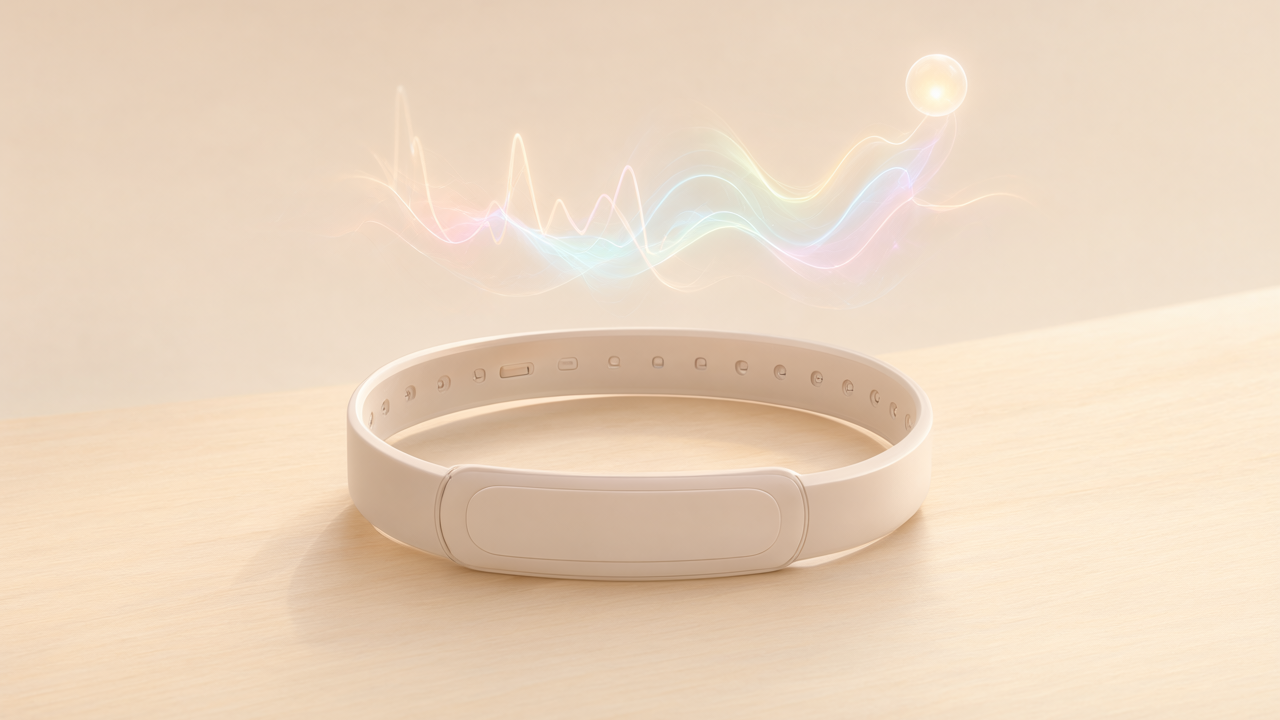
At the core of these AI applications is a significant enhancement in the efficiency and accuracy of collecting and analyzing patient behavioral data. A particularly innovative aspect is the application of biometric prediction. This involves wrist-worn wearable sensors that continuously collect physiological and kinematic data, such as heart rate, skin galvanic response, and motion. Machine learning algorithms then process this real-time data to predict the likelihood of specific behaviors, such as aggression, before they manifest. This capability empowers ABA therapists and caregivers to implement more timely and preventative behavioral interventions. Furthermore, computer vision automatically recognizes and records patient postures and movements, while audio analysis detects changes in speech patterns and emotional states, thereby complementing the limitations of traditional human observational scoring. These AI-enabled biosensors have demonstrated particular efficacy in environments requiring rigorous monitoring, such as inpatient psychiatric settings, by enabling more objective and continuous data collection.
Background & Context
Applied Behavior Analysis (ABA) is an evidence-based approach used to understand and promote desired behaviors in individuals with developmental disorders, including autism spectrum disorder. However, conventional ABA data collection has historically faced challenges such as observer subjectivity and constraints in time and human resources. The integration of AI with wearable sensors represents a crucial step toward overcoming these limitations and enhancing the effectiveness of ABA therapy. Within the broader context of digital health, AI-driven behavioral monitoring and prediction lay the groundwork for delivering personalized interventions tailored to individual patient needs, thereby providing higher quality care. This convergence offers a dual benefit: reducing the burden on healthcare professionals and improving patient outcomes.
Strategic Significance & Outlook
While still in its early stages, the technology for AI-driven ABA data collection and management holds immense future potential. Key priorities for ongoing development include improving the accuracy of AI models to cover a broader spectrum of behaviors, validating these applications across diverse patient populations, and addressing ethical and privacy concerns. As wearable sensors become smaller and more sophisticated, and machine learning algorithms continue to evolve, these AI-enabled biosensors are expected to find widespread application not only in psychiatric care and developmental disability support but also in general healthcare, sports performance, and workplace stress management. Ultimately, through real-time behavioral monitoring and prediction, these powerful tools are poised to significantly enhance the quality of life for many individuals.
Source: https://www.artemisaba.com/blog/ai-aba-data-collection-management
Get our weekly technology intelligence — free
Receive an infographic that lets you judge at a glance whether each field’s analysis report is worth reading.
Subscribe Free — Weekly Tech Intelligence
By subscribing, you’ll receive Troy-Technical’s weekly technology intelligence newsletter.
- Your email and selected fields are used only to deliver the newsletter.
- We never share your information with third parties.
- You can unsubscribe anytime via the link in each email.
See our Privacy Policy for details.
Takes about a minute · Unsubscribe anytime









Comments