Key Findings
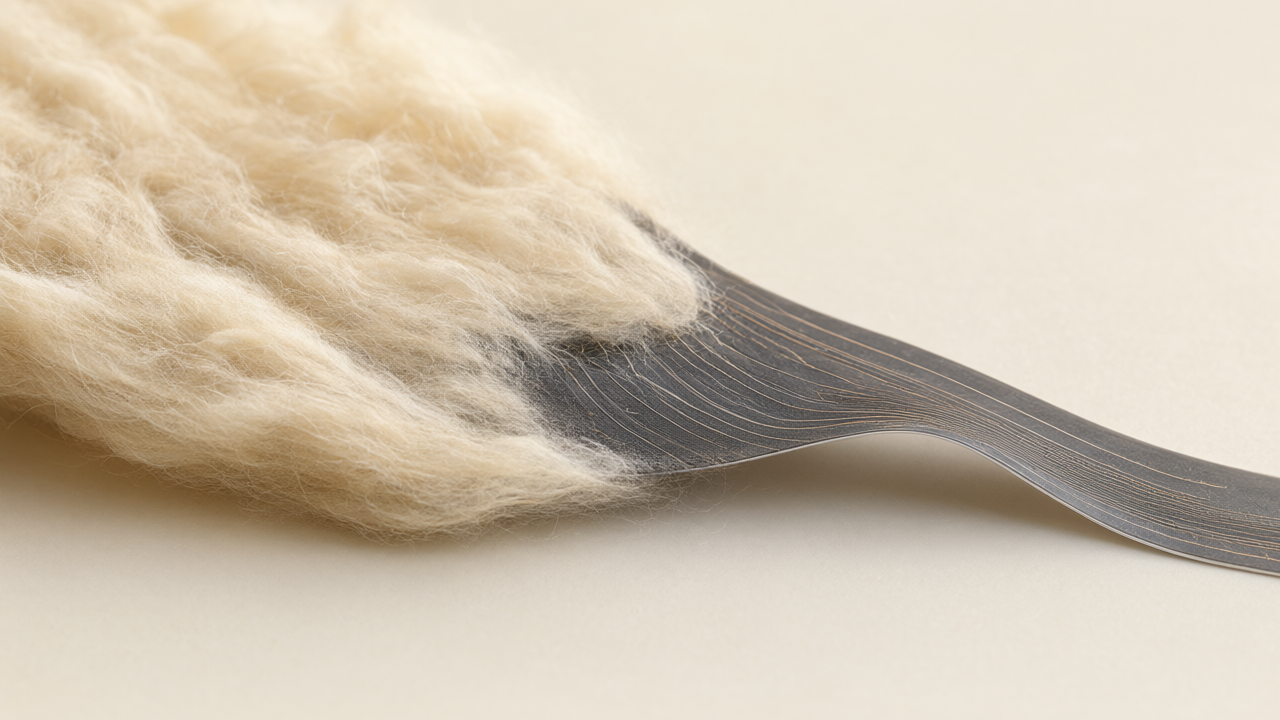
Researchers have successfully developed a groundbreaking soft and biocompatible enzyme-carrier composite by combining keratin derived from waste wool with graphene oxide. This novel material dramatically enhances the stability and activity of enzymes, particularly in extreme environments, effectively ‘supercharging’ their performance. Furthermore, the inherent flexibility of this composite material opens doors for a wide array of biosensor applications, including flexible strain-sensor inks and conformal health-monitoring devices designed to adhere seamlessly to the skin.
Technical & Clinical Details
The core innovation of this composite material lies in the effective binding between the chemically rich surface of wool-derived keratin (with its abundant amino acid residues) and the heterogeneous surface of graphene oxide. This interaction not only provides a stable immobilization platform for enzymes but also creates a unique microenvironment that facilitates electron transfer without hindering enzymatic activity. Consequently, enzymes encapsulated within this composite retain their structural and functional integrity even under harsh conditions of temperature, pH, and solvent exposure, outperforming traditional immobilization methods. Specifically, when utilized as an enzyme electrode, the composite exhibits significantly improved catalytic efficiency, which can benefit signal amplification in biofuel cells and biosensors. The material’s flexibility and biocompatibility also make it suitable for direct skin-adhesive strain sensors—wearable devices that detect body movements or heart rates—and other conformal health-monitoring applications. Graphene oxide, with its high conductivity and physical strength, underpins the sensor’s performance and durability.
Background & Industry Context
With global interest in sustainable materials development on the rise, creating high-value materials from waste streams has become a critical research focus. Wool, a renewable natural resource, often ends up as waste. This research innovatively re-purposes keratin extracted from waste wool as a high-performance material for biosensors and enzyme immobilization. While graphene and its derivatives have garnered significant attention in the biosensor field due to their superior physicochemical properties, challenges such as biocompatibility, flexibility, and cost-effective large-scale production have persisted. This composite material addresses these issues by synergistically fusing bio-derived components with nanomaterials, offering an environmentally friendly and high-performance solution.
Strategic Significance & Outlook
The waste wool keratin-graphene oxide composite material holds vast potential beyond biosensors, impacting fields such as sustainable energy, medical diagnostics, and environmental remediation. Enzyme electrodes that function stably in extreme environments are particularly promising for applications in bioreactors, medical implants, and environmental sensors operating under demanding conditions. Its utility as a flexible strain-sensor ink will drive innovative product development in next-generation wearable health-monitoring devices, soft robotics, and smart textiles. This research highlights how the convergence of bio-derived materials and nanotechnology can offer new material design principles that achieve both sustainability and high performance, with profound implications for future applications.
Source: https://bioengineer.org/waste-wool-and-graphene-oxide-combine-to-supercharge-an-extremophile-enzyme/
Get our weekly technology intelligence — free
Receive an infographic that lets you judge at a glance whether each field’s analysis report is worth reading.
Subscribe Free — Weekly Tech Intelligence
By subscribing, you’ll receive Troy-Technical’s weekly technology intelligence newsletter.
- Your email and selected fields are used only to deliver the newsletter.
- We never share your information with third parties.
- You can unsubscribe anytime via the link in each email.
See our Privacy Policy for details.
Takes about a minute · Unsubscribe anytime








Comments