Key Findings
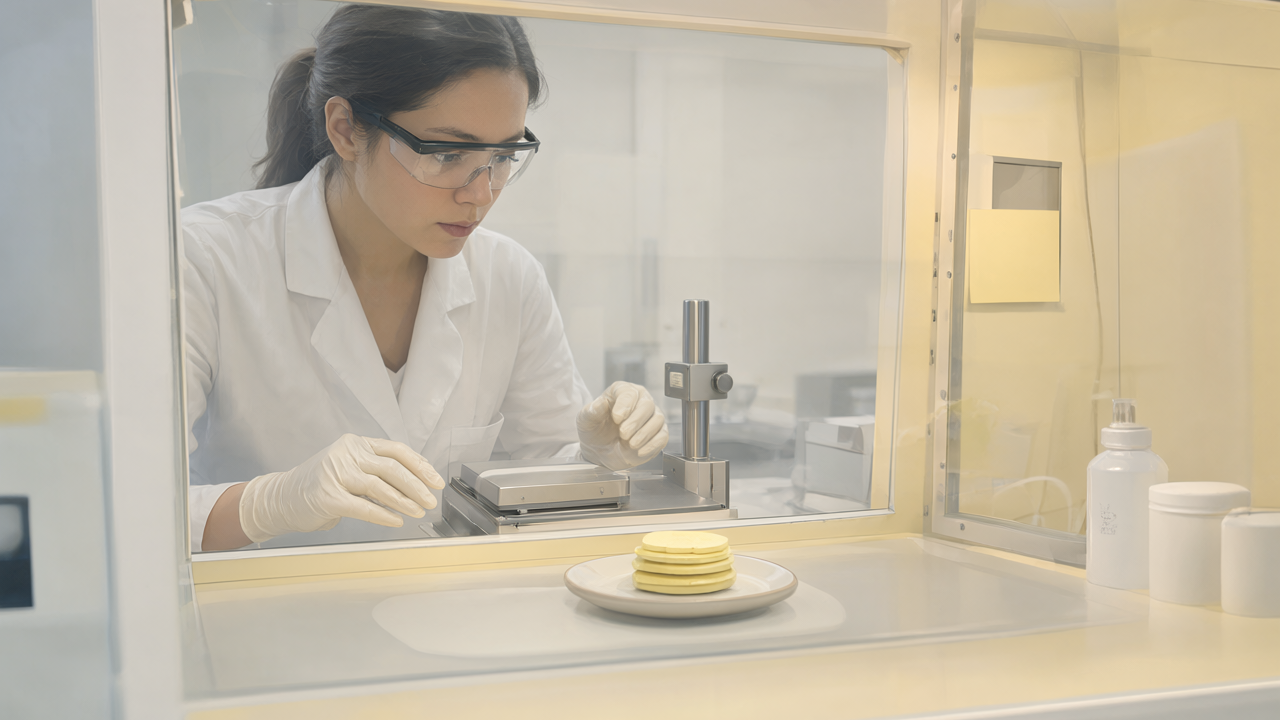
The Sulfide/Sulfur Translational Advanced Research Lab (STAR Lab) at Oak Ridge National Laboratory (ORNL) has embarked on a crucial initiative to validate the practical scalability of next-generation battery technologies. This research focuses on assessing whether promising battery materials, identified at the fundamental research stage, can maintain their performance when integrated into actual manufacturing processes and operational environments—a critical hurdle for commercialization.
Technical / Clinical Details
The primary focus of STAR Lab’s research is on sulfide solid-state batteries and sulfur electrodes, both of which offer the potential for significantly higher energy densities compared to conventional lithium-ion batteries. Researchers are meticulously examining how various parameters—such as electrode composition (formulation), types and quantities of binders, characteristics of electrode-electrolyte interfaces, overall cell design, manufacturing pressures, and diverse testing conditions—influence battery performance when these advanced materials are incorporated into real manufacturing lines. This approach aims to glean vital insights into how laboratory-scale successes can be replicated and optimized in larger-scale production processes. Particular emphasis is placed on overcoming challenges related to interface stability, cycle life, and safety.
Background & Context
While current lithium-ion battery technology is maturing, there remains an urgent demand for even higher energy density and improved safety for applications such as extended-range electric vehicles (EVs), large-scale stationary energy storage, and high-power drones. Sulfide solid-state batteries, which eliminate flammable liquid electrolytes, offer inherent safety advantages, while sulfur electrodes boast exceptionally high theoretical energy densities, positioning them as leading candidates for next-generation batteries. However, these technologies still face challenges in terms of material stability, manufacturing complexity, and cost. Translational research, like that conducted at STAR Lab, is therefore essential to bridge the gap between lab breakthroughs and practical, market-ready products.
Strategic Significance & Outlook
The research at STAR Lab serves as a vital bridge for accelerating the commercialization of next-generation battery technologies. By identifying and resolving practical issues in the manufacturing process, the initiative aims to prove the adaptability of sulfide solid-state batteries and sulfur electrodes for large-scale production. Successful outcomes from this endeavor could lead to the market introduction of safer, higher energy density batteries, revolutionizing electric vehicles, renewable energy storage, and various other power applications. This effort also contributes to strengthening domestic battery manufacturing capabilities in the US, thereby enhancing supply chain resilience.
Source: https://www.ornl.gov/news/star-lab-tests-whether-battery-advances-can-scale
Get our weekly technology intelligence — free
Receive an infographic that lets you judge at a glance whether each field’s analysis report is worth reading.
Subscribe Free — Weekly Tech Intelligence
By subscribing, you’ll receive Troy-Technical’s weekly technology intelligence newsletter.
- Your email and selected fields are used only to deliver the newsletter.
- We never share your information with third parties.
- You can unsubscribe anytime via the link in each email.
See our Privacy Policy for details.
Takes about a minute · Unsubscribe anytime








Comments