Key Findings
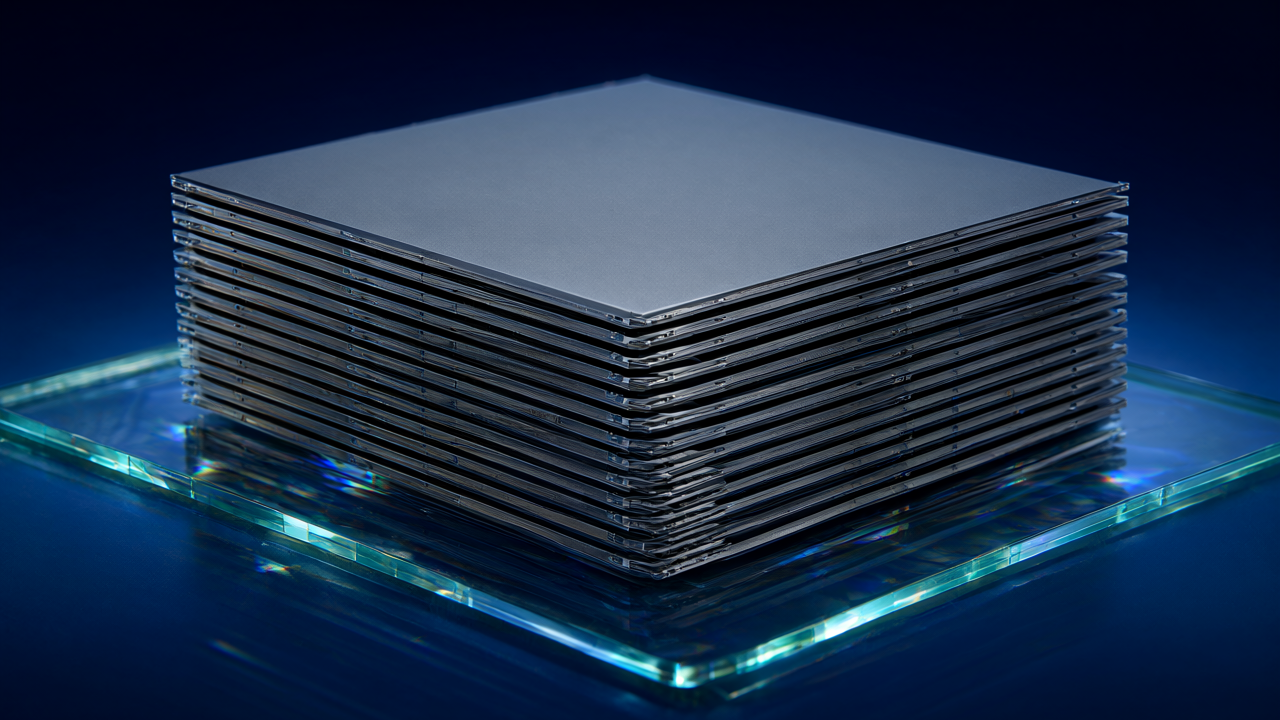
Samsung Electronics is aggressively planning to at least double its production of the HBM4 family, including HBM4 and HBM4E, in the coming year (2027). Alongside this significant capacity expansion, the company will increase its outsourced cleaning volume for glass carriers, critical for high-stack HBM production, by 2.5 times, from 20,000 wafers per month this year to 50,000 next year.
Technical Details
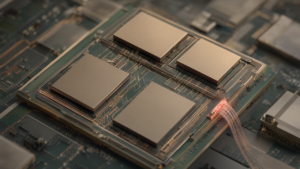
- Samsung’s HBM4 integrates 10nm-class 6th-generation (1c) DRAM with a 4nm base die, enabling high performance and efficiency for demanding AI and HPC applications.
- The yield rate for HBM4 has stabilized at approximately 80%, a crucial improvement for volume production. Samsung attributes this rapid yield stabilization to its unique, vertically integrated business structure, which combines memory, foundry, and advanced packaging operations, allowing for seamless coordination and optimization across different stages of manufacturing.
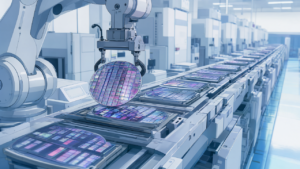
- Glass carriers play an essential role in handling thin wafers during HBM stacking processes. The expanded use of glass carriers signifies a key step in overcoming technical challenges associated with mass producing higher-stack HBM products.
Background and Context
The explosive growth in AI data centers has driven unprecedented demand for HBM. Major memory manufacturers like Samsung, SK hynix, and Micron are in a fierce race to expand production capacity and innovate technologically to meet this demand. Samsung’s integrated business model provides a competitive advantage by shortening the lead time from HBM development to mass production.
Strategic Significance and Outlook
Samsung’s substantial HBM4 production increase demonstrates its strong commitment to establishing leadership in the high-performance memory market for the AI era. The expanded adoption of glass carriers will be a crucial trend in addressing manufacturing challenges for future HBM technologies, especially concerning higher stacking. With stabilized yields and expanded capacity, Samsung is expected to play an even more critical role in supplying HBM for AI accelerators and high-performance processors.
Source: https://finance.biggo.com/news/a6fce0cd-0fa5-463a-843d-d450cb21504a
Get our weekly technology intelligence — free
Receive an infographic that lets you judge at a glance whether each field’s analysis report is worth reading.
Subscribe Free — Weekly Tech Intelligence
By subscribing, you’ll receive Troy-Technical’s weekly technology intelligence newsletter.
- Your email and selected fields are used only to deliver the newsletter.
- We never share your information with third parties.
- You can unsubscribe anytime via the link in each email.
See our Privacy Policy for details.
Takes about a minute · Unsubscribe anytime




Comments