Key Findings
Researchers at the University of Queensland are developing a revolutionary self-healing coating with the potential to dramatically extend the service life of steel structures in buildings, bridges, and other critical infrastructure. This innovative technology integrates a water-based paint with specialized nanoparticles that detect and autonomously release corrosion inhibitors in response to localized environmental changes. Early electrochemical tests have demonstrated that this coating can decelerate steel corrosion by more than 600 times compared to many existing high-performance anti-corrosion products, setting a new potential benchmark for material protection.
Technical / Clinical Details
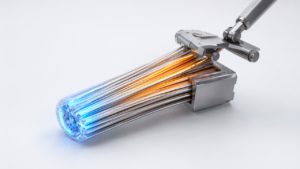
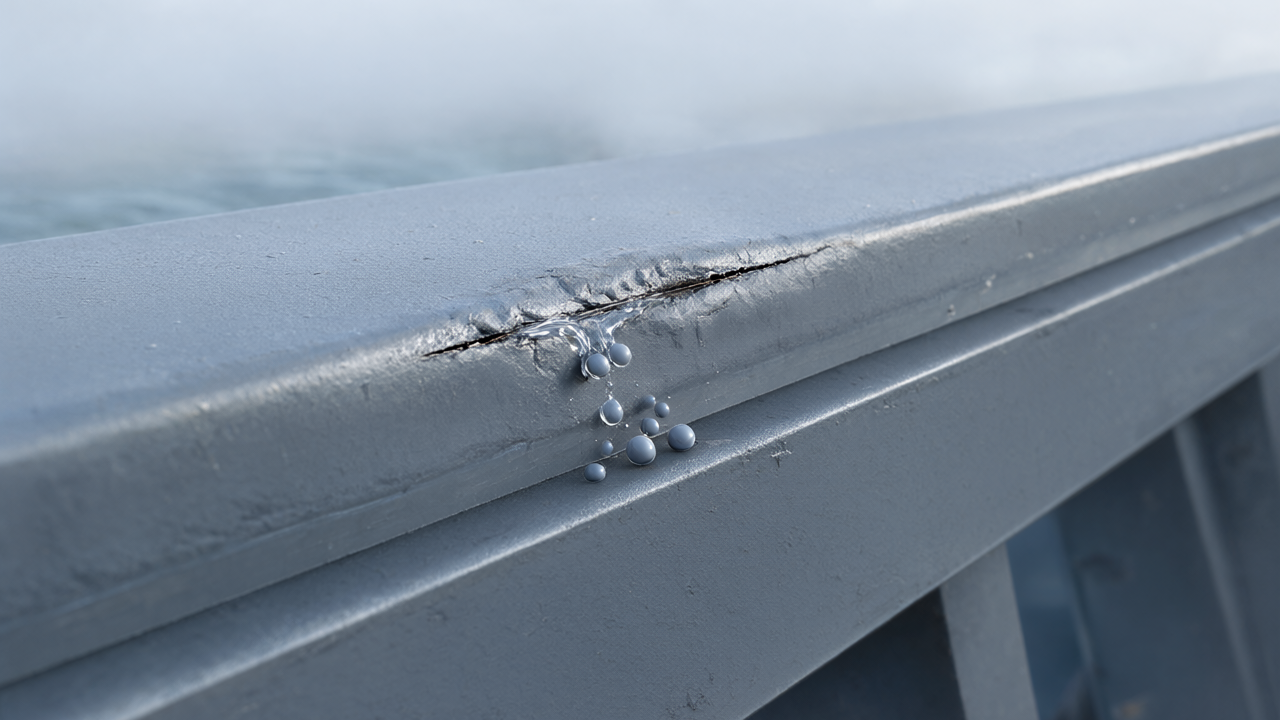
The self-healing coating under development features a sophisticated “sensing and release” mechanism. When a micro-crack forms in the coating or when the material is exposed to a corrosive environment, the nanoparticles detect localized changes in conditions, such as pH shifts or redox potential variations. In response, encapsulated corrosion inhibitors within the nanoparticles are released, targeting the damaged area to halt or significantly retard the corrosion process. This localized, on-demand delivery mechanism overcomes a major limitation of conventional anti-corrosion coatings, which often lose their protective capacity once compromised. The water-based formulation further contributes to its environmental friendliness.
Background & Context
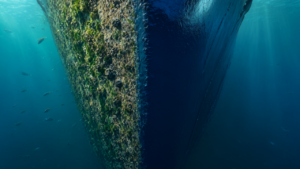
Steel corrosion represents a colossal economic burden, costing global industries trillions of dollars annually in damages to bridges, buildings, vehicles, and other infrastructure. Traditional anti-corrosion coatings degrade over time due to physical damage or aging, necessitating costly and disruptive regular maintenance and repairs. Often, unseen microscopic damage can initiate and propagate corrosion, threatening the structural integrity of entire systems. Self-healing coatings offer a highly sought-after solution by reducing maintenance costs, enhancing structural safety, and extending service life. The University of Queensland’s research provides a long-term, sustainable solution for infrastructure development.
Strategic Significance & Outlook
This self-healing coating technology holds immense potential for diverse applications across the construction, transportation, marine, and energy sectors, owing to its superior corrosion protection and environmental benefits. The next steps involve demonstrating scalability for mass production, assessing cost-effectiveness, and conducting long-term durability evaluations in real-world conditions. If successfully commercialized, this technology could substantially mitigate economic losses from corrosion and prolong the lifespan of infrastructure assets worldwide, delivering immeasurable socio-economic benefits. It represents a paradigm shift in addressing one of the most persistent challenges in functional materials science.
Get our weekly technology intelligence — free
Receive an infographic that lets you judge at a glance whether each field’s analysis report is worth reading.
Subscribe Free — Weekly Tech Intelligence
By subscribing, you’ll receive Troy-Technical’s weekly technology intelligence newsletter.
- Your email and selected fields are used only to deliver the newsletter.
- We never share your information with third parties.
- You can unsubscribe anytime via the link in each email.
See our Privacy Policy for details.
Takes about a minute · Unsubscribe anytime