

Key Findings
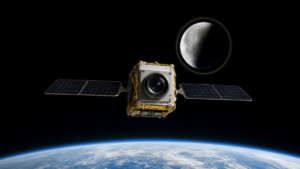
Research conducted during a commercial suborbital mission reveals that plants begin biological adaptation almost immediately upon leaving Earth. Analysis identified more than 1,200 genes whose activity changed during the flight, with responses varying between roots and leaves and shifting across different phases of the mission. The data indicates that acclimation to spaceflight is not a single adjustment but a progressive process involving distinct responses during launch, entry into microgravity, descent, and return to Earth.
Technical Details
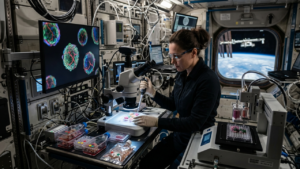
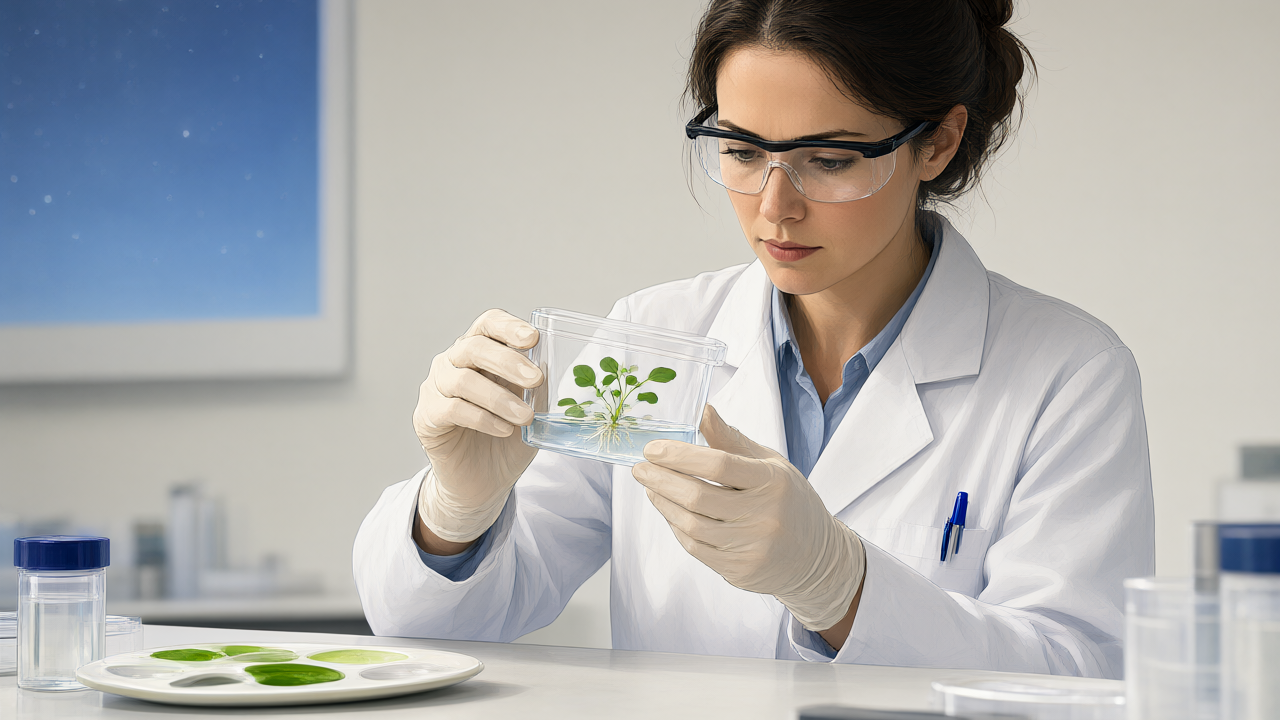
The experiment utilized Arabidopsis plants housed in Kennedy Space Center Fixation Tubes, which preserve biological material at the moment of activation. During Blue Origin’s New Shepard NS-26 flight on August 29, 2024, UF astronaut Rob Ferl activated the tubes at four specific points: prior to launch, upon reaching microgravity, at the end of the weightless period during descent, and upon landing. To ensure a controlled comparison, Jordan B. Callaham activated a corresponding set of control tubes on the ground at the same times.
Background & Context
While previous research has focused on organisms spending days or months in space, this study targeted the first minutes of spaceflight. The project was led by Rob Ferl, Ph.D., and Anna-Lisa Paul, Ph.D., and funded by NASA’s Flight Opportunities program with supplemental support from NASA Biological and Physical Sciences. The team applied proven orbital research technology to a suborbital environment to capture rapid biological changes.
Significance & Outlook
The mission demonstrated that commercial suborbital spacecraft can serve as viable research platforms. Notably, the study proved that an academic researcher can personally conduct experiments in a “shirtsleeve” environment. By having the researcher in the loop rather than relying on automation, the team could verify preservative coverage and adjust tube movement to ensure rapid preservation, providing insights that are difficult to achieve via remote monitoring.
Source: https://news.ufl.edu/2026/10/plant-response-microgravity/
Get our weekly technology intelligence — free
Receive an infographic that lets you judge at a glance whether each field’s analysis report is worth reading.
Subscribe Free — Weekly Tech Intelligence
By subscribing, you’ll receive Troy-Technical’s weekly technology intelligence newsletter.
- Your email and selected fields are used only to deliver the newsletter.
- We never share your information with third parties.
- You can unsubscribe anytime via the link in each email.
See our Privacy Policy for details.
Takes about a minute · Unsubscribe anytime