


Key Findings
The MMX mission is scheduled for launch on October 19, 2026, at 3:41 p.m. ET (October 20, 4:41 a.m. Japan time). The primary objective is to collect and return samples from the Martian moon Phobos to Earth by 2031, with the samples descending via parachute to a recovery site in Australia.
Technical Details
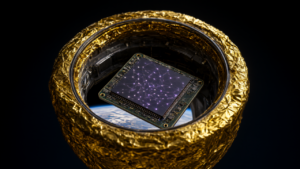
To ensure redundancy, JAXA is employing two collection methods: a corer and the P-sampler. The P-sampler is based on PlanetVac technology, which operates by blasting pure nitrogen gas to stir dirt and rocks into a small tornado, subsequently sweeping the material into a collection chamber. This system is designed to be lightweight and low-cost.
The mission’s operational sequence includes:
- One year of remote study using cameras, lidar, spectrometers, and a dust monitor.
- Deployment of IDEFIX, a four-wheeled rover developed by French and German national space agencies, to analyze surface texture and makeup.
- Landing to retrieve samples via P-sampler and a corer, with a potential second landing on the opposite side of the moon.
- A flyby of the moon Deimos upon leaving the Mars system in 2030.
Background and Context
PlanetVac was developed by Honeybee Robotics (acquired by Blue Origin in 2022) with funding from The Planetary Society. Development milestones included a 2013 prototype and a 2018 test aboard a Xodiac rocket by Masten Space Systems, where it collected 332 grams of simulated Martian soil. In 2025, a version of the technology successfully collected samples on the Moon via Firefly Aerospace’s Blue Ghost Mission 1, despite an uneven touchdown.
Significance and Outlook
By returning Phobos samples, MMX seeks to determine if the Martian moons formed from captured asteroids or a collision between Mars and another world. These findings are expected to provide data on the early Solar System’s history, specifically regarding giant impacts and asteroid migration.
Get our weekly technology intelligence — free
Receive an infographic that lets you judge at a glance whether each field’s analysis report is worth reading.
Subscribe Free — Weekly Tech Intelligence
By subscribing, you’ll receive Troy-Technical’s weekly technology intelligence newsletter.
- Your email and selected fields are used only to deliver the newsletter.
- We never share your information with third parties.
- You can unsubscribe anytime via the link in each email.
See our Privacy Policy for details.
Takes about a minute · Unsubscribe anytime