

Key Findings
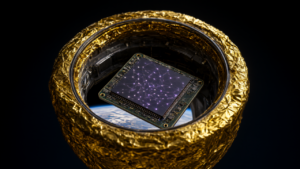
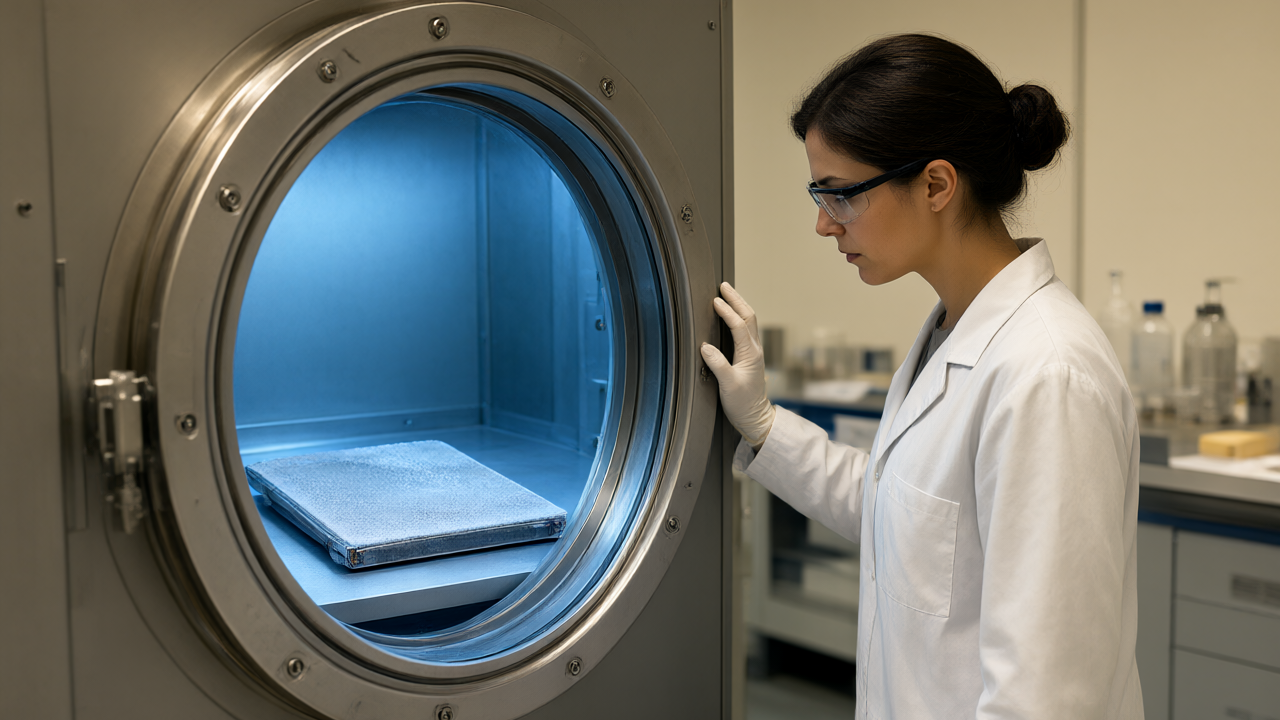
NASA’s Solid Power for Extreme Environment Adaptability and Resilience in Space (SPEARS) project has successfully demonstrated prototype battery cells that operate at temperatures as low as −80°C. Thermal vacuum testing conducted at the Langley Research Center showed that while performance is reduced at −80°C, the cells remain functional. Furthermore, the batteries sustained no physical damage when exposed to extreme temperature fluctuations ranging from 100°C to −170°C.
Technical Details
The SPEARS technology replaces conventional liquid electrolytes with solid materials, such as ceramic-based compounds, to transport ions between electrodes. This architecture addresses several failure points of standard lithium-ion batteries:
- Cold Resistance: Unlike liquid electrolytes that become less effective and slow electrochemical reactions in severe cold, solid materials do not freeze.
- Heat Stability: Solid-state designs mitigate unwanted chemical reactions and evaporation risks associated with volatile liquid components in a vacuum.
- System Integration: NASA is evaluating the entire cell design, including electrode materials and interfaces, as the electrolyte alone does not guarantee operation across all temperatures.
Background and Context
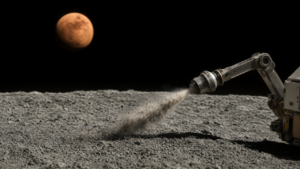
Lunar environments present extreme thermal challenges, particularly at the South Pole where temperatures can drop to −200°C at night and reach 100°C in sunlit areas. Conventional batteries struggle with these variations, often requiring bulky thermal management systems to maintain operating temperatures.
Significance and Outlook
The development of these batteries is critical for equipment operating far from habitats or spacecraft. Potential applications include lunar rovers, astronaut emergency equipment, drills, and scientific instruments. By reducing the reliance on heaters and insulation, NASA can optimize the power and mass budgets of future lunar missions. Research continues at the Glenn Research Center and Langley Research Center to improve performance and extend the operational range of the cells.
Get our weekly technology intelligence — free
Receive an infographic that lets you judge at a glance whether each field’s analysis report is worth reading.
Subscribe Free — Weekly Tech Intelligence
By subscribing, you’ll receive Troy-Technical’s weekly technology intelligence newsletter.
- Your email and selected fields are used only to deliver the newsletter.
- We never share your information with third parties.
- You can unsubscribe anytime via the link in each email.
See our Privacy Policy for details.
Takes about a minute · Unsubscribe anytime