


Key Findings
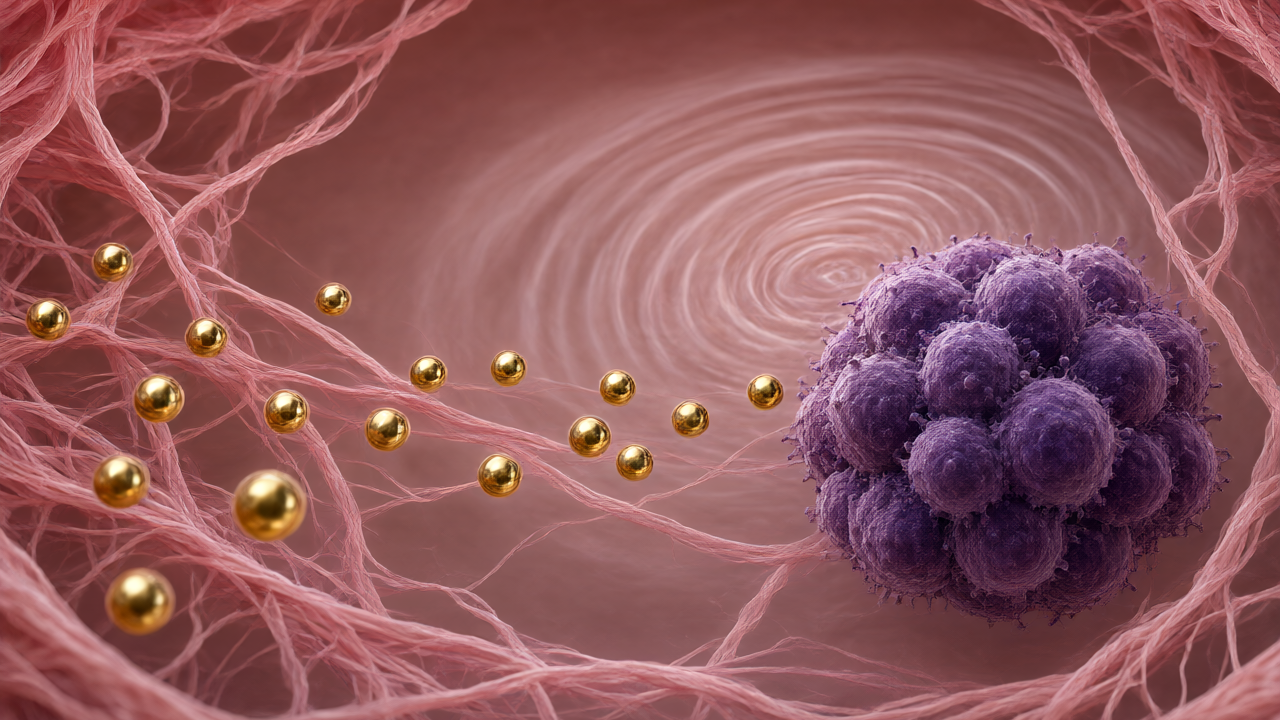
The HH-B-DM4-NT microrobot system demonstrated high efficacy in both laboratory and animal models. In vitro tests showed 90.8 percent cancer cell death and measurable collagen degradation, including the disruption of three-dimensional tumor spheroids. In an orthotopic mouse model of bladder cancer, the therapy achieved 82.4 percent tumor inhibition and significantly extended survival rates compared to control groups.
Technical Details
The platform integrates four distinct modules to execute a multi-pronged attack on malignant tissue:
- Biological Chassis: Hathewaya histolytica bacteria secrete collagenolytic enzymes to digest the dense extracellular matrix, creating channels for drug penetration.
- Sonodynamic Component: Bismuth ferrite nanoparticles coated on the bacteria generate reactive oxygen species (ROS) when triggered by external ultrasound, causing oxidative damage and immunogenic cell death.
- Cytotoxic Payload: DM4, a microtubule inhibitor, disrupts the cytoskeleton of dividing cells and destabilizes the tumor’s structural integrity.
- Targeting Mechanism: Neurotensin ligands bind to NTS1 receptors overexpressed on bladder cancer cells, ensuring the payload concentrates on malignant tissue rather than healthy urothelium.
Background & Context
Nonmuscle-invasive bladder cancer is characterized by high recurrence rates. Conventional intravesical therapies often fail due to two primary barriers: the dense collagen scaffolding of the extracellular matrix that blocks drug penetration, and a lack of specificity that leads to collateral toxicity in healthy bladder walls.
Significance & Outlook
Beyond direct cell destruction, the HH-B-DM4-NT system remodels the tumor microenvironment. Analysis revealed mitochondrial dysfunction, DNA damage, and apoptosis in treated cells. Immunologically, the therapy stimulated dendritic cell maturation and shifted macrophages toward the pro-inflammatory M1 phenotype. In vivo results showed increased infiltration of CD8-positive T cells, suggesting the platform converts an immunosuppressive environment into one capable of sustaining a long-term antitumor immune response.
Get our weekly technology intelligence — free
Receive an infographic that lets you judge at a glance whether each field’s analysis report is worth reading.
Subscribe Free — Weekly Tech Intelligence
By subscribing, you’ll receive Troy-Technical’s weekly technology intelligence newsletter.
- Your email and selected fields are used only to deliver the newsletter.
- We never share your information with third parties.
- You can unsubscribe anytime via the link in each email.
See our Privacy Policy for details.
Takes about a minute · Unsubscribe anytime