Key Findings
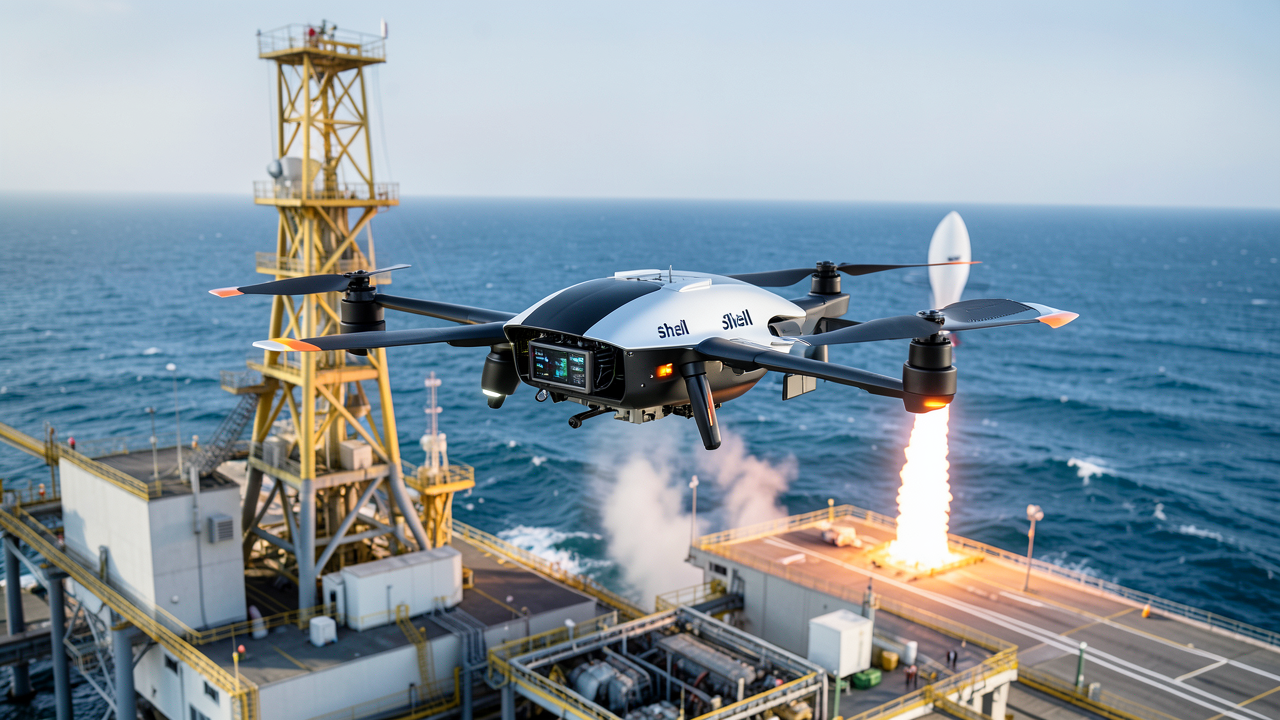
Energy giant Shell has made history by becoming the first energy company to receive a landmark approval from the U.S. Federal Aviation Administration (FAA) to self-authorize Beyond Visual Line of Sight (BVLOS) drone operations across all its owned and operated offshore facilities in the U.S. Gulf. This groundbreaking advancement is underpinned by the successful demonstration of “Drone-in-a-Box” system operations from the Mars Floating Production Unit (FPU), and it is set to accelerate the widespread adoption of autonomous drones for offshore asset inspection and monitoring.
Technical / Clinical Details
The “Drone-in-a-Box” system involves storing a drone within a remote base (the box), from which it can automatically take off, execute missions, return, and recharge as needed. This system delivers exceptional efficiency and safety, particularly for inspecting offshore oil and gas platforms, pipelines, and other hard-to-access facilities. At its Mars FPU, Shell demonstrated the following capabilities:
- Remote Autonomous Operation: Operators can program and monitor drone missions from a remote control center. The drones autonomously fly along pre-set inspection paths, collecting high-resolution images, video, and sensor data.
- Automated Data Collection: Drones automatically perform routine inspections to identify anomalies such as structural damage, leaks, and corrosion. This eliminates the risks associated with human inspectors accessing high or hazardous areas.
- Real-time Data Analysis: Collected data is analyzed by AI-powered software, which generates immediate alerts upon detecting anomalies. This enables early problem detection and rapid response.
This FAA approval eliminates the need for Shell to obtain individual FAA approvals for each flight plan, significantly increasing operational flexibility. This allows for higher inspection frequency, proactive prevention of potential issues, and contributes to maintaining asset integrity and reducing the risk of production interruptions.
Background & Context
In the oil and gas industry, especially offshore, asset inspection is critical for safety and environmental protection but entails high costs and risks. Traditional inspection methods require skilled personnel to work in hazardous heights and marine environments, often constrained by weather conditions. Drone technology, particularly BVLOS operations, has long been anticipated as a cost-effective and safe solution to these challenges. However, stringent aviation regulations have historically hindered its widespread adoption. Shell’s pioneering achievement of this FAA approval sets a significant precedent for the entire energy industry, paving the way for other companies to embrace similar operational models.
Strategic Significance & Outlook
Shell’s self-authorization for offshore BVLOS drone operations will be a powerful catalyst for accelerating digital transformation and autonomy in the energy industry. In the future, drones are likely to be utilized for a wider array of tasks beyond inspection, including transport of small components, emergency response, and environmental monitoring. This is expected to lead to further reductions in operational costs, enhanced safety, and maximized production efficiency. Furthermore, this success story may influence regulatory bodies in other regions, fostering harmonization of global BVLOS regulations and standardization of drone technology in energy infrastructure inspection and maintenance. It represents a step toward a future where offshore facilities are continuously monitored and managed by autonomous drones, without constant human presence.
Source: https://jpt.spe.org/jpt-exclusive-shell-advances-drone-operations-in-the-us-gulf
Get our weekly technology intelligence — free
Receive an infographic that lets you judge at a glance whether each field’s analysis report is worth reading.
Subscribe Free — Weekly Tech Intelligence
By subscribing, you’ll receive Troy-Technical’s weekly technology intelligence newsletter.
- Your email and selected fields are used only to deliver the newsletter.
- We never share your information with third parties.
- You can unsubscribe anytime via the link in each email.
See our Privacy Policy for details.
Takes about a minute · Unsubscribe anytime









Comments