

Key Findings
MED Institute has partnered with Novelna Inc. and other consortium members to advance the Proactive Unified Longitudinal Sensing Ecosystem (PULSE). This next-generation wearable biosensing platform is funded by the Advanced Research Projects Agency for Health (ARPA-H) under the Delphi program, which has committed up to $117.4 million over 4.5 years. The collaboration specifically integrates MED Institute’s expertise in in vivo biosensor testing, regulatory strategy, and clinical study services to move the technology toward patient use.
Technical Details
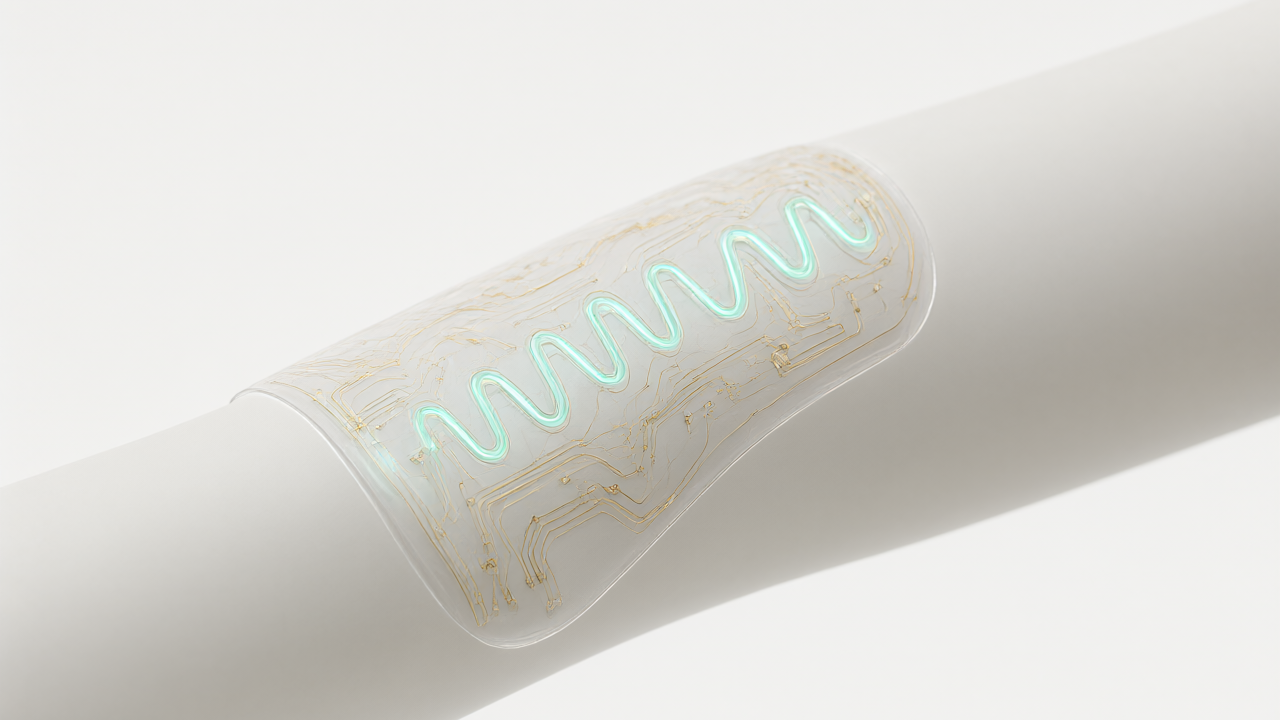
The PULSE platform is designed to continuously measure molecular markers within the interstitial fluid located in the spaces between cells beneath the skin. Unlike conventional wearables that track heart rate or temperature, this system targets molecular changes to provide longitudinal data. The development process must address several technical hurdles, including:
- Sensor performance and measurement reliability
- Biocompatibility and data interpretation
- Maintaining accurate readings during real-world application
Background & Context
The initial clinical application of the platform is the monitoring of inflammation following a myocardial infarction (heart attack). Because inflammation is a critical component of the body’s response to cardiac tissue damage and subsequent healing, continuous monitoring may provide deeper insights than occasional clinic visits. The project is led by ARPA-H Program Manager Leonard Tender, Ph.D., as part of a broader effort to develop personalized biosensing technologies.
Significance & Outlook
If validated, the PULSE platform could shift cardiovascular care from episodic assessments to continuous molecular monitoring. While the specific molecular markers have not been identified and clinical effectiveness is yet to be demonstrated, the project establishes a framework for evaluating biological changes in real-time. The long-term objective is to expand the sensing platform to support personalized health monitoring and the detection of various biological processes beyond post-heart attack recovery.
Source: https://thepharmadata.com/med-institute-joins-novelnas-arpa-h-funded/
Get our weekly technology intelligence — free
Receive an infographic that lets you judge at a glance whether each field’s analysis report is worth reading.
Subscribe Free — Weekly Tech Intelligence
By subscribing, you’ll receive Troy-Technical’s weekly technology intelligence newsletter.
- Your email and selected fields are used only to deliver the newsletter.
- We never share your information with third parties.
- You can unsubscribe anytime via the link in each email.
See our Privacy Policy for details.
Takes about a minute · Unsubscribe anytime