Key Findings
Sodium-ion batteries achieved commercial scale in 2026, primarily driven by Chinese manufacturers, while all-solid-state batteries remain in the pilot and test stages. In a September 2026 storage tender in Renqiu, Hebei, sodium-ion systems were bid at an average of $153 per kWh, significantly higher than the $79 per kWh bid for lithium iron phosphate (LFP).
Technical Details
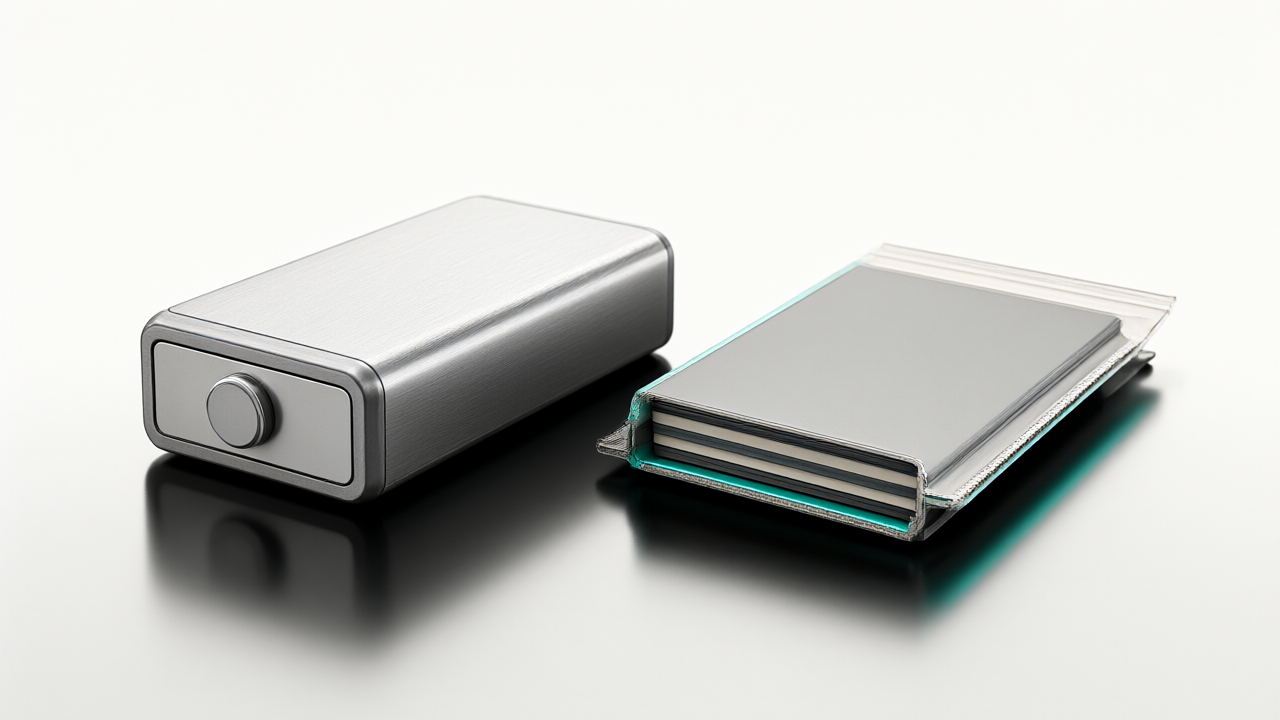
Current “solid-state” shipments are exclusively semi-solid hybrid designs. EVTank reports 8.0 GWh of solid-state shipments in 2025, all of which were semi-solid. Notable deployments include WeLion’s 150 kWh semi-solid pack in NIO vehicles and Qingtao cells in the SAIC MG4. All-solid-state cells are not yet shipped at commercial scale; Samsung SDI plans mass production of sulfide cells in Ulsan for H2 2027, and BYD plans small-batch trials of sulfide technology in approximately 1,000 vehicles around 2027.
Sodium-ion technology is seeing deployment in specific niches. CATL’s Naxtra cells reach up to 175 Wh/kg, with a target of 1 GWh cumulative storage shipments by the end of 2026. Other applications include HiNa Battery’s 676 kWh mining truck and FAW Jiefang’s heavy truck, which maintained over 90% capacity at −40 °C.
Background & Context
Both technologies have faced timeline slippages. Toyota shifted its all-solid-state target from 2020 to 2023, then 2026, and now 2027–2028. QuantumScape, which uses a solid ceramic separator with a liquid cathode electrolyte, originally aimed for 2024 production but opened its Eagle pilot line in February 2026. Sodium-ion has also seen volatility; US-based Natron Energy ceased operations on 3 September 2025 after failing to fund a $1.4 billion factory.
Significance & Outlook
The adoption of sodium-ion is currently limited by cost. HiNa’s general manager estimates sodium-ion costs at $74–104 per kWh compared to $45–74 for lithium, with convergence expected in 2027 or 2028. For solid-state, the transition from semi-solid hybrids to all-solid-state production remains a manufacturing challenge, with EVTank forecasting all-solid-state cells to make up nearly 20% of a projected 607.2 GWh total solid-state shipment volume by 2030.
Source: https://battery-tech.net/why-sodium-ion-won-2026-and-all-solid-state-is-still-a-2027-bet/
Get our weekly technology intelligence — free
Receive an infographic that lets you judge at a glance whether each field’s analysis report is worth reading.
Subscribe Free — Weekly Tech Intelligence
By subscribing, you’ll receive Troy-Technical’s weekly technology intelligence newsletter.
- Your email and selected fields are used only to deliver the newsletter.
- We never share your information with third parties.
- You can unsubscribe anytime via the link in each email.
See our Privacy Policy for details.
Takes about a minute · Unsubscribe anytime