

Key Findings
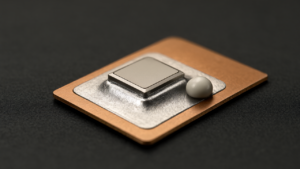
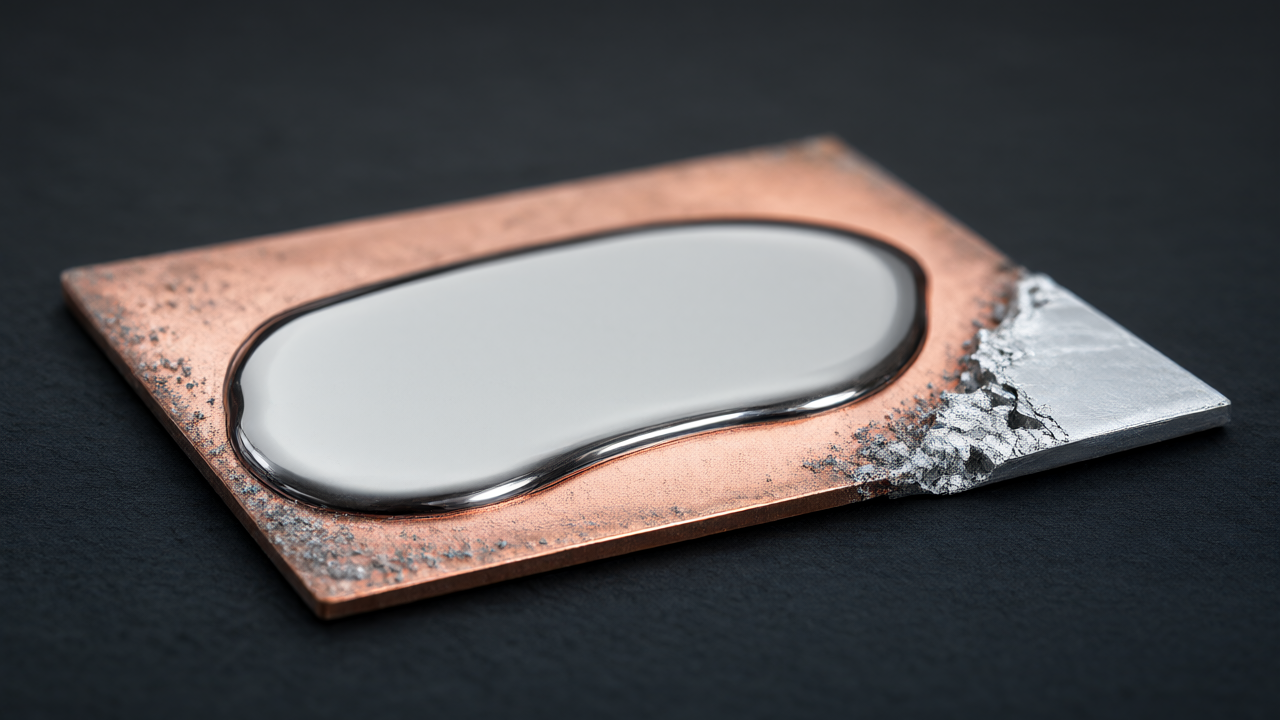
Long-term use of liquid metal TIM, specifically gallium, results in significant material degradation depending on the metal substrate. While it offers superior initial thermal resistance compared to paste or graphene pads, the chemical reactions it triggers can erode heatsinks and silicon crystals, eventually compromising the cooling performance it was intended to enhance.
Technical Details
The analysis highlights distinct reactions across different metals:
- Aluminum: Gallium causes “grain boundary diffusion,” where the liquid metal seeps into the metal’s boundaries. This process can effectively destroy the aluminum structure within 30 minutes of application.
- Copper: While the internal structure remains intact, gallium reacts with the top layer to form a compound with a lower melting point and inferior thermal conductivity compared to pure copper. After 24 months, this manifests as the appearance of crystals on the surface.
- Nickel: Nickel is the most resistant of the tested metals, though it is not immune. Nickel-coated copper heatsinks experience similar degradation, albeit at a slower rate.
Background and Context
The adoption of liquid metal is driven by the increasing power density of GPUs. For example, the RTX 5080 possesses three times the power density per mm2 compared to the 8800 GTX from nearly a decade ago. Liquid metal is utilized to manage this heat, but its effectiveness is a “double-edged sword” because the same chemical reactivity that lowers thermal resistance also causes the aforementioned material degradation.
Significance and Outlook
For users prioritizing long-term stability over peak initial performance, the analysis suggests alternatives such as PTM7950, a solidified pad. While liquid metal may provide higher initial gains, maintaining its performance requires replacing the material every year to mitigate the effects of the ongoing chemical reactions with the hardware.
Source: https://wccftech.com/liquid-metal-tim-2-year-analysis-aluminum-copper-reaction/
Get our weekly technology intelligence — free
Receive an infographic that lets you judge at a glance whether each field’s analysis report is worth reading.
Subscribe Free — Weekly Tech Intelligence
By subscribing, you’ll receive Troy-Technical’s weekly technology intelligence newsletter.
- Your email and selected fields are used only to deliver the newsletter.
- We never share your information with third parties.
- You can unsubscribe anytime via the link in each email.
See our Privacy Policy for details.
Takes about a minute · Unsubscribe anytime