

Key Findings
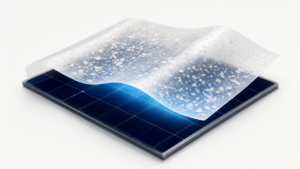
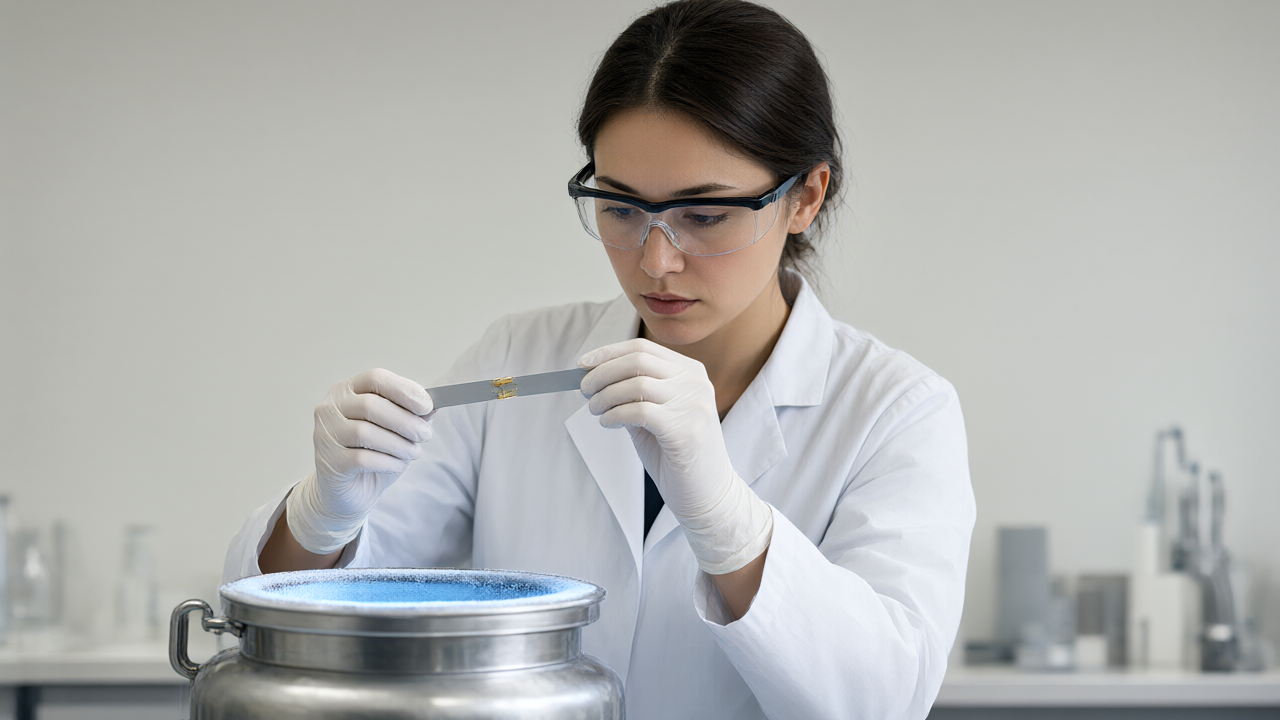
The TA/PCL supramolecular adhesive demonstrates exceptional stability across extreme temperature ranges and chemical environments. The optimal formulation, TA1/PCL3, achieves a maximum lap shear strength of 8.5 MPa on glass at 25°C and retains a strength of 6.6 MPa after 24 hours of treatment at -196°C. Even after 180 days of storage in liquid nitrogen, the adhesive maintains a strength of 6.2 MPa. Furthermore, the material remains stable after 24 hours of immersion in 1 M HCl, 1 M NaOH, saturated NaCl, and organic solvents such as ethanol, n-hexane, CCl₄, and DMSO.
Technical Details
The adhesive is produced via solvent-free thermal blending of natural polyphenol TA and semi-crystalline polyester PCL at 80°C. The performance is governed by the synergy between semi-crystalline PCL domains, which provide cohesive strength, and a dynamic TA-mediated hydrogen bond network that enables energy dissipation. Key technical specifications include:
- Crystallinity Control: Adjusting the molar ratio of TA hydroxyl donors to PCL ester oxygen acceptors inhibits excessive crystallization, balancing softness and rigidity.
- Thermal Properties: The material melts at approximately 42°C and remains solid at 37°C, making it safe for contact with human tissue.
- Rapid Sealing: The adhesive can seal leaks in 60 seconds and withstand hydrostatic pressure from a 1.6 m water column (approximately 120 mmHg).
- Molecular Stability: DFT calculations show a binding energy of -43.6 kJ·mol⁻¹ between TA hydroxyls and PCL ester carbonyls. MD simulations confirm that the hydrogen bond network remains nearly unchanged between 25°C and -196°C.
Significance and Outlook
By avoiding complex organic synthesis or protein engineering, this low-cost, scalable manufacturing process provides a new biomimetic paradigm for extreme-environment adhesives. The ability to maintain a nearly constant modulus between -110°C and -30°C and resist dissolution in solvents that typically fail commercial EVA makes it highly suitable for aerospace, polar exploration, and marine anti-corrosion applications.
Source: https://news.qq.com/rain/a/20261023A0315S00
Get our weekly technology intelligence — free
Receive an infographic that lets you judge at a glance whether each field’s analysis report is worth reading.
Subscribe Free — Weekly Tech Intelligence
By subscribing, you’ll receive Troy-Technical’s weekly technology intelligence newsletter.
- Your email and selected fields are used only to deliver the newsletter.
- We never share your information with third parties.
- You can unsubscribe anytime via the link in each email.
See our Privacy Policy for details.
Takes about a minute · Unsubscribe anytime