
Key Findings
MIT researchers have created a multimodal AI model capable of identifying superior material designs by allowing the system to “see” atomic arrangements and bonding patterns. In tests, the model successfully identified materials suited for solid-state lithium-ion battery electrolytes that had been independently recognized as promising candidates. The system outperformed baseline models trained solely on text streams, demonstrating a superior ability to learn geometric representations of material structures.
Technical Details
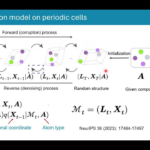
The model addresses the data gap in existing large language models, which typically rely on text streams rather than the 3D arrangements of crystals. To bridge this, the researchers used contrastive learning to train the model to align 3D atomic structures with rich linguistic descriptions. These descriptions were synthesized from experimental research papers and first-principles computational databases, covering:
- Chemical composition and structure
- Material properties
- Processing considerations
- Potential applications
The researchers compared a version of the model trained on these AI-generated descriptions against one trained only on paper text, finding that only the former successfully aligned geometric structures with text.
Background & Context
Crystalline materials, which possess highly ordered atomic structures, make up more than 90 percent of solid materials on Earth. While AI has previously treated these as 3D graphs, the rise of large language models introduced a new tool that was limited by a lack of visual geometry understanding and a bias toward popular crystal classes in experimental literature. Professor Ju Li notes that understanding structure is central to inferring the properties and performance of materials.
Significance & Outlook
The researchers compare this approach to AlphaFold’s role in linking protein structures to function. By linking 3D structures to property and processing, the team believes this represents a step change in materials science. The model allows users to input natural language queries describing a specific property to identify corresponding crystalline materials, accelerating the discovery of materials for future products.
Source: https://news.mit.edu/2026/giving-ai-crystal-clear-view-of-materials-world-1018
Get our weekly technology intelligence — free
Receive an infographic that lets you judge at a glance whether each field’s analysis report is worth reading.
Subscribe Free — Weekly Tech Intelligence
By subscribing, you’ll receive Troy-Technical’s weekly technology intelligence newsletter.
- Your email and selected fields are used only to deliver the newsletter.
- We never share your information with third parties.
- You can unsubscribe anytime via the link in each email.
See our Privacy Policy for details.
Takes about a minute · Unsubscribe anytime