


Key Findings
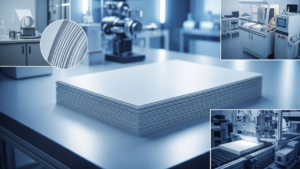
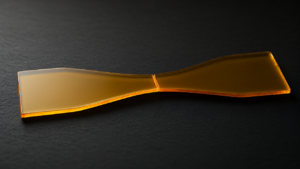
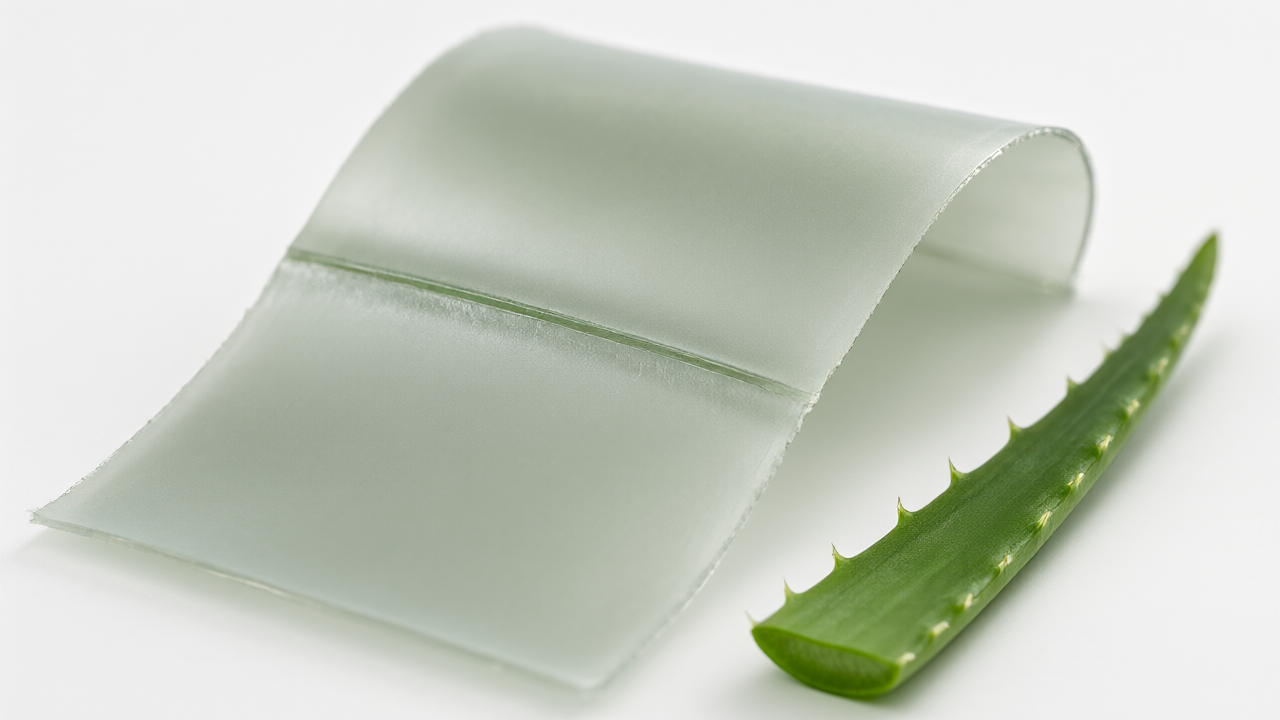
The study identifies a synergistic relationship between PVA, graphene derivatives, and aloe vera powder, resulting in composite films with significant mechanical strength and autonomous repair capabilities. The PAGGN formulation, containing 0.012 grams of graphene oxide, 0.012 grams of graphene nanoplatelets, and 2 weight percent aloe vera powder, achieved a near-complete recovery of 99.5% of its original properties after damage. In contrast, the PAG1 formulation (0.012 grams of graphene oxide and 3 weight percent aloe vera) exhibited the highest hardness at 502.71 megapascals and an elastic modulus of 3.76 gigapascals, though its self-healing efficiency dropped to 51.00%.
Technical Details
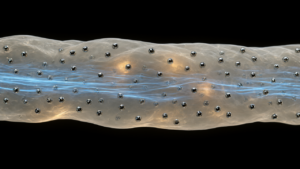
The research utilized a Taguchi-based multi-response optimization and the TOPSIS decision-making method to identify three optimal formulations: PAGGN, PAGN2, and PAG1. Mechanical performance was measured via nanoindentation, revealing that PAG1’s hardness and elastic modulus were approximately 22-fold and 19-fold higher, respectively, than a reference film containing only aloe vera in PVA. The self-healing mechanism is driven by reversible hydrogen bonding between the hydroxyl groups of PVA and the oxygen-containing functional groups in graphene oxide and aloe vera polysaccharides, such as acemannan. These dynamic bonds act as sacrificial crosslinks that re-form across damaged interfaces without external catalysts or heat.
Background & Context
While PVA is valued for its biocompatibility and film-forming ability, it is typically soft and sensitive to humidity. Graphene oxide and graphene nanoplatelets increase stiffness but often reduce flexibility. This research positions aloe vera powder not as a passive filler, but as a molecular bridge that allows modest amounts of carbon nanomaterials to enhance both strength and repairability. The study also compared film and hydrogel architectures to determine how these chemical interactions translate across different physical forms.
Significance & Outlook
By transforming aloe vera into an active participant in mechanical chemistry, the study offers a sustainable approach to advanced materials. The findings suggest that engineers must carefully balance filler loading to avoid locking polymer chains, which restricts the molecular mobility required for healing. Potential applications span flexible electronics, drug delivery, and wound care.
Get our weekly technology intelligence — free
Receive an infographic that lets you judge at a glance whether each field’s analysis report is worth reading.
Subscribe Free — Weekly Tech Intelligence
By subscribing, you’ll receive Troy-Technical’s weekly technology intelligence newsletter.
- Your email and selected fields are used only to deliver the newsletter.
- We never share your information with third parties.
- You can unsubscribe anytime via the link in each email.
See our Privacy Policy for details.
Takes about a minute · Unsubscribe anytime