


Key Findings
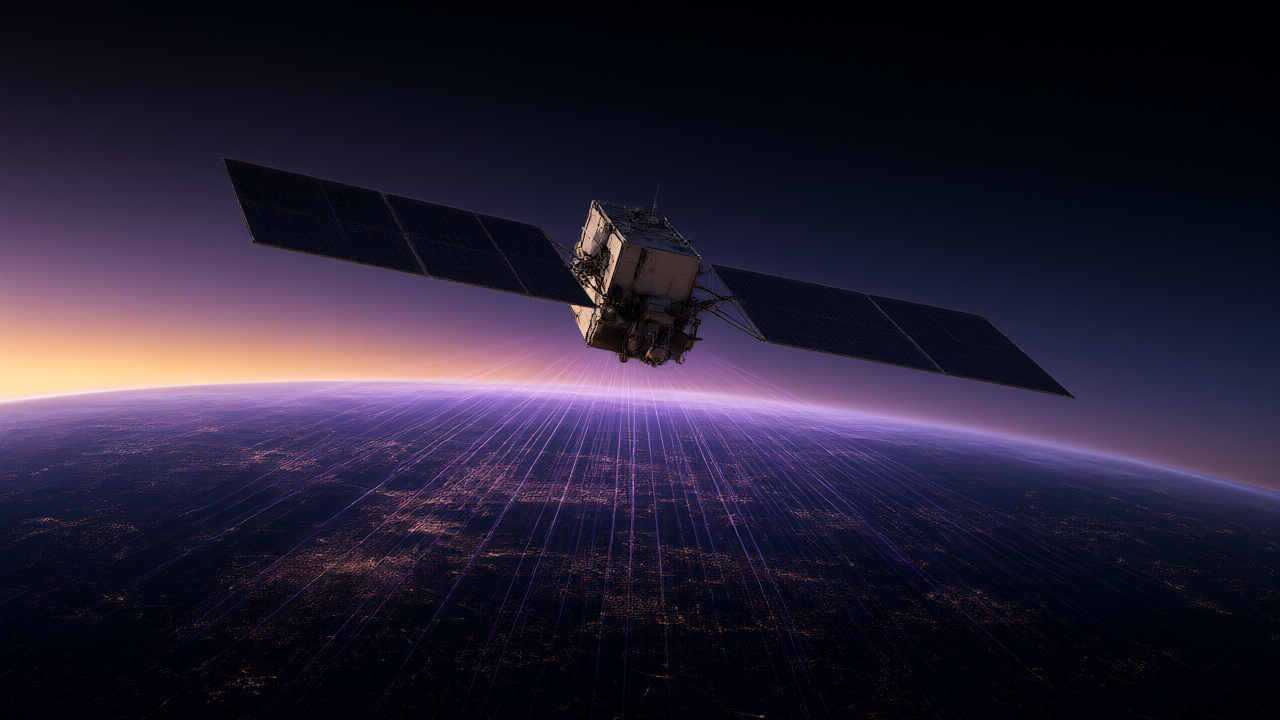
The Starlink V3 satellite represents a significant leap in capacity and scale, designed specifically for deployment via the Starship launch system. Each V3 satellite delivers a maximum downlink capacity of 1Tbps and an uplink capacity of 160Gbps. This marks a tenfold increase in downlink and a 22-fold increase in uplink performance compared to V2 satellites. SpaceX intends to deploy up to 60 V3 satellites per Starship launch.
Technical Specifications
- Physical Scale: Approximately 7m in length (folded) with a mass of about 2 tons.
- Beam Capacity: 2,048 downlink and 2,048 uplink beams, compared to 192 downlink and 144 uplink beams in V2.
- Hardware: New beam-forming chips and modem chips with approximately 64 times the processing power of previous versions.
- Power and Connectivity: Solar array power generation is roughly double that of V2, utilizing four 19m solar cells. Connectivity includes six 400Gbps-class lasers for inter-satellite links and 1.2Tbps RF backhaul, supporting Ka, E, V, and W bands.
Orbital Strategy and Frequency Reuse
SpaceX is shifting V3 operations to a lower altitude of 330–370km, compared to the 450–490km range used for V1/V2 broadband satellites. This lower orbit reduces signal loss and enables “frequency reuse.” By narrowing the ground area covered by each beam, SpaceX can reuse the same frequencies in different geographic regions without interference, thereby increasing the total communication capacity per unit area.
System Architecture and Outlook
The Starlink ecosystem is split into two distinct constellations: broadband and Direct-to-Cell. V3 is a broadband satellite; it is separate from the “Mobile” line (V1 Mobile and V2 Mobile). While V3 focuses on high-capacity broadband, the V2 Mobile satellites—planned for Starship deployment starting in 2027—will handle direct smartphone communication. SpaceX expects these network improvements to enable gigabit-class services by the end of 2026, with existing Performance terminals supporting these upgrades without hardware changes.
Source: https://www.watch.impress.co.jp/docs/topic/2150444.html
Get our weekly technology intelligence — free
Receive an infographic that lets you judge at a glance whether each field’s analysis report is worth reading.
Subscribe Free — Weekly Tech Intelligence
By subscribing, you’ll receive Troy-Technical’s weekly technology intelligence newsletter.
- Your email and selected fields are used only to deliver the newsletter.
- We never share your information with third parties.
- You can unsubscribe anytime via the link in each email.
See our Privacy Policy for details.
Takes about a minute · Unsubscribe anytime