
Key Findings
A research group led by Project Leader Yuichiro Miyaoka has successfully developed tetraploid iPS cells with doubled chromosomes through cell fusion. When these cells are differentiated into cardiomyocytes, they exhibit characteristics closer to mature cardiac cells than those derived from conventional diploid iPS cells. This process replicates the natural “polyploidization” that occurs in vivo, where approximately 80% of adult cardiomyocytes are tetraploid.
Technical Details
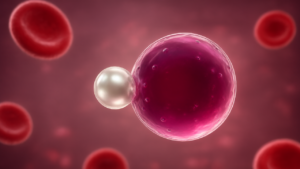
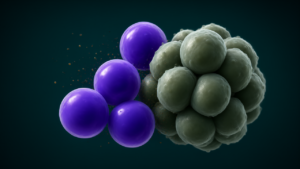
The team utilized Sendai virus particles to fuse diploid iPS cells, creating tetraploid iPS cells that are slightly larger in size while maintaining pluripotency and stable chromosome sets. The research team included Ittetsu Nakajima, Yuichiro Miyaoka, and Mitsuyoshi Shimane of Nanion Technologies Japan K.K.
- Methodology: Instead of attempting to tetraploidize cells after differentiation, the team tetraploidized the iPS cells first.
- Morphology: Tetraploid-derived cardiomyocytes showed a larger cell size compared to diploid-derived cells, mirroring in vivo maturation.
- Gene Expression: RNA-sequencing (RNA-seq) revealed that cell cycle-related genes were significantly downregulated in tetraploid-derived cardiomyocytes compared to diploid counterparts.
Background and Context
Most human cells are diploid, containing 23 pairs of chromosomes. However, certain cells, such as hepatocytes and cardiomyocytes, undergo chromosome doubling as they mature. A major hurdle in the clinical application of iPS cell-derived cardiomyocytes has been their tendency to remain in an immature, embryonic, or fetal-like state. Because conventional iPS cell-derived cardiomyocytes rarely undergo natural chromosome doubling, they lack the functional capabilities of adult heart cells.
Significance and Outlook
The ability to generate tetraploid cardiomyocytes is expected to advance several medical applications. These include the development of transplantation therapies for heart failure, the creation of disease models to clarify underlying mechanisms, and the implementation of efficacy and safety testing for new drug candidates. The findings were published in Communications Biology on August 17, 2026.
Source: https://www.miragenews.com/ips-cell-fusion-boosts-cardiac-function-by-1765729/
Get our weekly technology intelligence — free
Receive an infographic that lets you judge at a glance whether each field’s analysis report is worth reading.
Subscribe Free — Weekly Tech Intelligence
By subscribing, you’ll receive Troy-Technical’s weekly technology intelligence newsletter.
- Your email and selected fields are used only to deliver the newsletter.
- We never share your information with third parties.
- You can unsubscribe anytime via the link in each email.
See our Privacy Policy for details.
Takes about a minute · Unsubscribe anytime