

Key Findings
The study establishes a method to generate functional human lymphatic organoids from human pluripotent stem cells. By leveraging single-cell and spatial analyses of human embryos, the researchers identified that both lateral plate and paraxial mesoderm converge on venous endothelial intermediates with cardinal vein-like characteristics before lymphatic specification occurs.
Technical Details
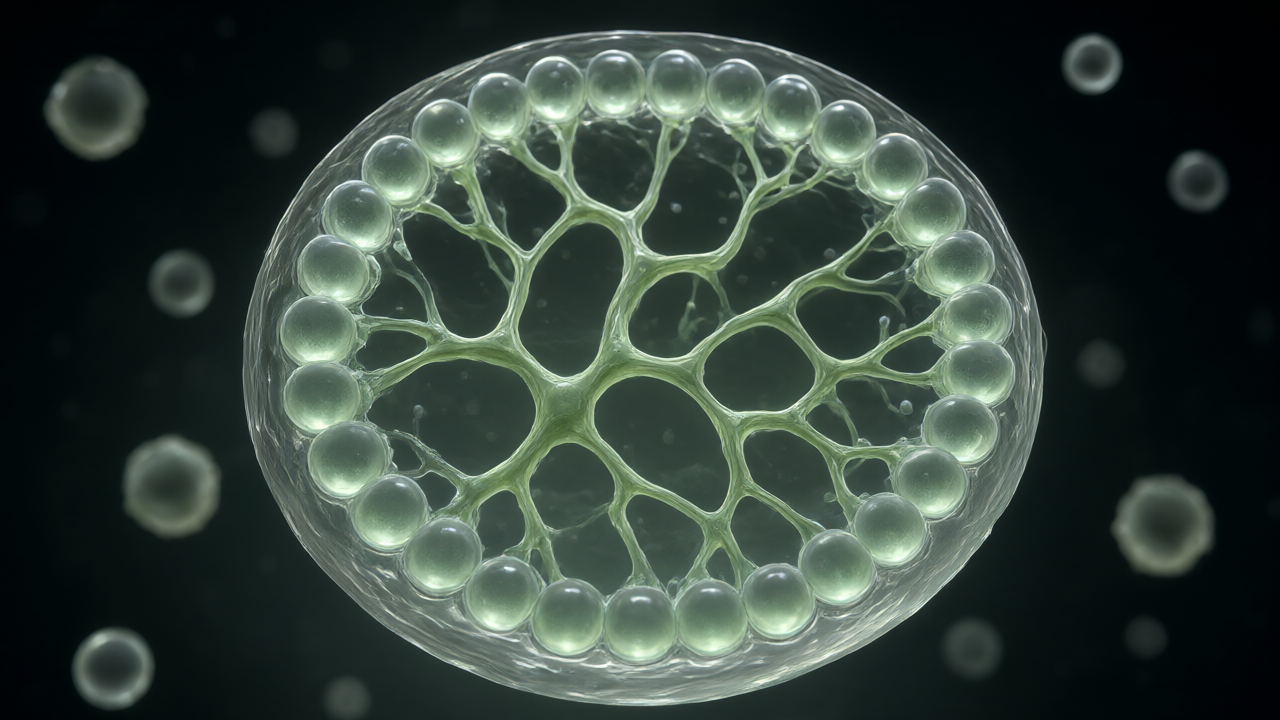
The development of these organoids followed two distinct mesodermal trajectories. The resulting three-dimensional structures exhibited the following characteristics:
- Formation of capillary-like vascular networks.
- Presence of emerging button-like junctions.
- Distinct endothelial and stromal programs.
- Transcriptional alignment with human fetal lymphatic endothelium.
Functional validation was conducted through both in vitro and in vivo testing. In vitro, the organoids supported antigen accumulation and immune-cell interactions. Following transplantation, the organoids demonstrated the ability to perform interstitial tracer uptake and transport.
Background and Context
The lymphatic vasculature is essential for maintaining fluid balance, supporting tissue repair, and regulating immune surveillance. Despite its importance, the specific mechanisms by which human lymphatic vessels arise and acquire their specialized functions have remained poorly understood until the identification of these convergent developmental routes.
Significance and Outlook
This platform allows for the investigation of how different developmental origins influence the specification, vascular organization, and overall function of human lymphatic vessels. These findings have direct applications in the fields of tissue repair and the modeling of lymphatic diseases.
Source: https://doi.org/10.64898/2026.11.03.764135
Get our weekly technology intelligence — free
Receive an infographic that lets you judge at a glance whether each field’s analysis report is worth reading.
Subscribe Free — Weekly Tech Intelligence
By subscribing, you’ll receive Troy-Technical’s weekly technology intelligence newsletter.
- Your email and selected fields are used only to deliver the newsletter.
- We never share your information with third parties.
- You can unsubscribe anytime via the link in each email.
See our Privacy Policy for details.
Takes about a minute · Unsubscribe anytime