
Key Findings
Researchers have successfully reduced voltage decline in next-generation lithium-ion battery cathodes by adjusting the temperature during the initial stages of production. After 500 charge-discharge cycles, cathodes produced using a lower-temperature treatment exhibited a voltage decline of 250 millivolts, compared to 358 millivolts in those treated at higher temperatures.
Technical Details
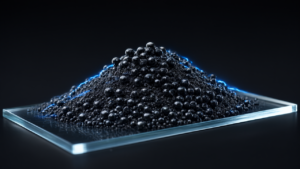
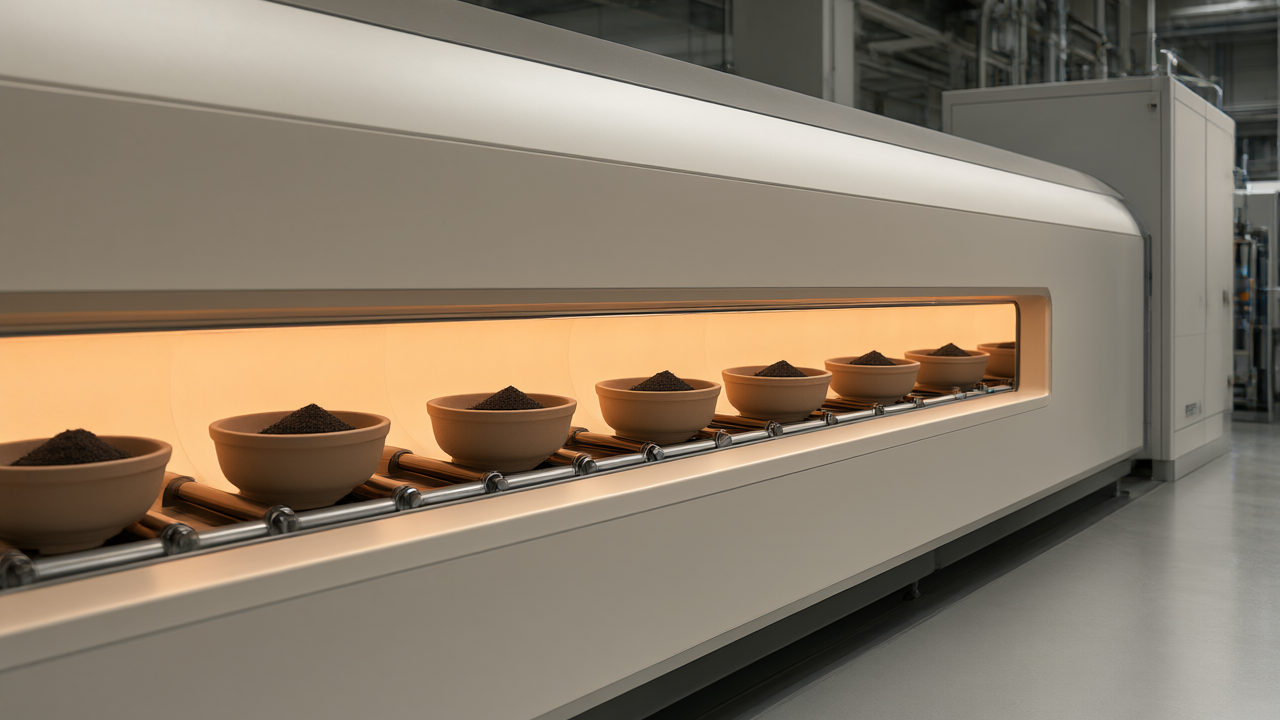
The study, led by Professor Park Hyeok-jun of Korea University and Posco Holdings’ N.EX.T Hub research institute, focused on the internal structure of lithium-manganese-rich (LMR) cathodes. The team discovered that the temperature used during the early stages of cathode production is the critical factor in determining long-term performance. Key technical observations include:
- Lower-temperature treatment: Promotes a more uniform distribution of metals inside the cathode, stabilizing the structure.
- Higher-temperature treatment: Causes metals to separate into uneven clusters, creating structural weaknesses that accelerate performance degradation.
Crucially, these improvements were achieved by optimizing existing production processes without introducing new materials or changing the chemical composition of the precursors.
Background & Context
LMR cathodes are considered a promising alternative for electric vehicles and energy storage systems because they can store more energy than conventional materials by utilizing chemical reactions involving both oxygen and metals. However, widespread commercial adoption has been hindered by structural instability and gradual voltage loss during repeated cycling.
Significance & Outlook
The findings suggest that manufacturers can enhance the durability of high-capacity cathodes by simply optimizing heat-treatment parameters. This offers a practical route toward commercial production for the EV and energy storage sectors. The research was supported by Posco Holdings and the National Research Foundation of Korea and was published in the journal ACS Energy Letters on Oct. 19, where it was featured on the supplementary cover.
Source: https://www.koreaherald.com/article/10927214
Get our weekly technology intelligence — free
Receive an infographic that lets you judge at a glance whether each field’s analysis report is worth reading.
Subscribe Free — Weekly Tech Intelligence
By subscribing, you’ll receive Troy-Technical’s weekly technology intelligence newsletter.
- Your email and selected fields are used only to deliver the newsletter.
- We never share your information with third parties.
- You can unsubscribe anytime via the link in each email.
See our Privacy Policy for details.
Takes about a minute · Unsubscribe anytime