

Key Findings
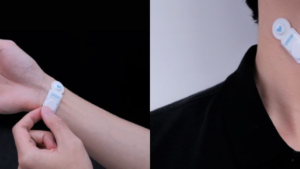
Noninvasive sweat patch collection of neurologic injury biomarkers is feasible, safe, and acceptable for use in a Pediatric Intensive Care Unit (PICU) setting. In a prospective pilot study of 42 children aged 5 weeks to 17 years, 41 patches provided adequate sweat volumes for analysis. All 41 samples successfully measured four specific biomarkers, with 97% of samples maintaining a coefficient of variation (CV) below 20% and 100% remaining below 25%.
Technical Details
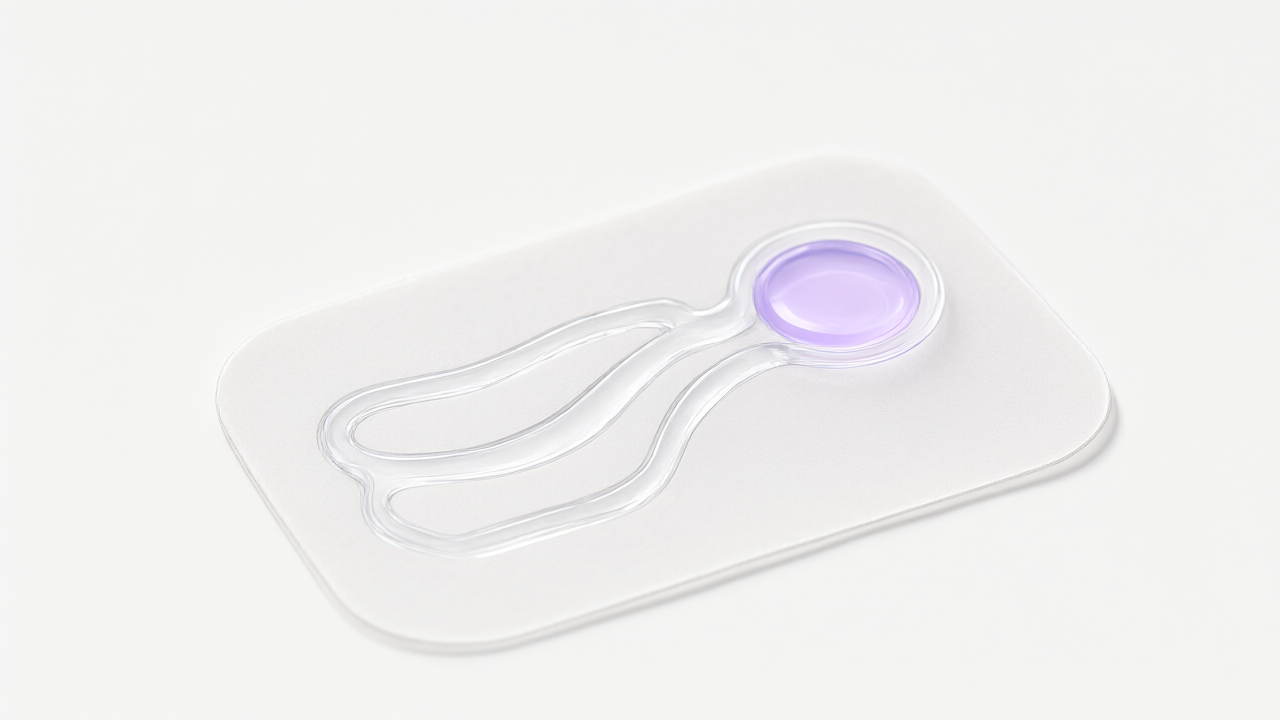
The study utilized a novel noninvasive sweat patch worn for durations ranging from 24 to 96 hours. Researchers used single-molecule array assays to analyze the cumulative concentrations of the following four neuroinjury-associated biomarkers:
- Glial fibrillary acidic protein (GFAP)
- Ubiquitin C-terminal hydrolase L1 (UCH-L1)
- Tau
- Neurofilament light chain (NfL)
Biomarkers were reported as both total cumulative concentrations and concentrations per hour of wear. No patch-related adverse effects were observed during the study.
Background and Context
Children in the PICU are susceptible to acquired brain injury (ABI) and post-intensive care syndrome in pediatrics (PICS-p) due to factors such as hypoxia, hypotension, and systemic inflammation. While GFAP, UCH-L1, tau, and NfL are established markers for astroglial and axonal injury, traditional monitoring relies on clinical exams, neuroimaging, or invasive sampling of blood and cerebrospinal fluid (CSF). These traditional methods are often intermittent or influenced by circadian variation, making it difficult to capture occult neurologic injury over the course of critical illness.
Significance and Outlook
Sweat-based biosensing provides a platform for longitudinal monitoring that avoids the limitations of single-timepoint invasive measurements. By capturing cumulative analyte concentrations over extended intervals, this minimally invasive approach may help identify children at risk for evolving neurologic injury and define biological pathways contributing to PICS-p, potentially informing future neuroprotective interventions and neurodevelopmental surveillance.
Source: https://doi.org/10.1097/cce.0000000000001505
Get our weekly technology intelligence — free
Receive an infographic that lets you judge at a glance whether each field’s analysis report is worth reading.
Subscribe Free — Weekly Tech Intelligence
By subscribing, you’ll receive Troy-Technical’s weekly technology intelligence newsletter.
- Your email and selected fields are used only to deliver the newsletter.
- We never share your information with third parties.
- You can unsubscribe anytime via the link in each email.
See our Privacy Policy for details.
Takes about a minute · Unsubscribe anytime