

Key Findings
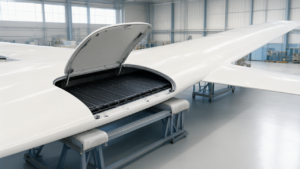
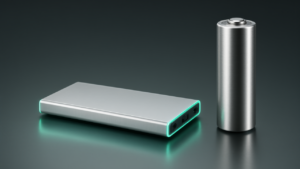
Factorial has reached an energy density of 450 Wh/kg in lithium-metal cells developed for the aerospace sector. According to the company’s third-quarter 2026 shareholder letter, this result is approximately 15% higher than the cells used in a record-setting drone flight conducted earlier in the year. This achievement puts the aerospace cells ahead of the company’s scheduled year-end energy-density target.
Technical Details
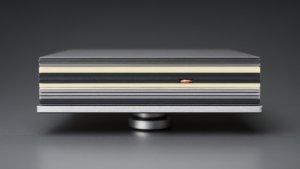
The aerospace cells utilize lithium-metal anodes and are based on Factorial’s FEST quasi-solid-state platform, which employs a quasi-solid polymer electrolyte. This differs from the company’s Solstice technology, which uses a fully solid sulfide electrolyte. The 450 Wh/kg cells build upon FEST B-samples delivered to Mercedes-Benz that exceeded 390 Wh/kg.
While the chemistry is broadly the same as Factorial’s automotive cells, the aerospace version is optimized for weight reduction. The company has not disclosed the capacity, cell dimensions, cycle life, or volumetric energy density for these specific 450 Wh/kg cells.
Background and Context
Factorial is currently pursuing two parallel solid-state platforms:
- FEST: A quasi-solid polymer electrolyte design compatible with up to 80% of conventional lithium-ion manufacturing equipment. Factorial and SK On have signed an MoU to assess manufacturing FEST cells using existing infrastructure.
- Solstice: An all-solid-state battery using a sulfide-based electrolyte and dry cathode process. Solstice cells of up to 40Ah have been produced and supplied to partners, with a potential energy density target of 450 Wh/kg for aerospace, robotics, and space systems.
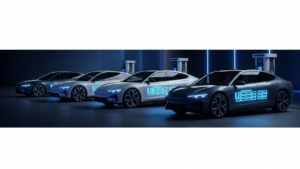
In the automotive sector, FEST cells validated with Stellantis in 2025 achieved 375 Wh/kg, over 600 cycles, and 15–90% charging in 18 minutes. These are currently undergoing public-road testing in a Dodge Charger Daytona.
Significance and Outlook
The technology has already been demonstrated in flight; a Group I drone powered by Factorial cells flew for 521 minutes and covered approximately 483km. Initial flight testing showed more than 30% additional system-level range compared to conventional lithium-ion batteries. Factorial intends to further increase the energy density of its aerospace cells in 2027.
Source: https://www.bestmag.co.uk/factorial-450-wh-kg-lithium-metal-aerospace/
Get our weekly technology intelligence — free
Receive an infographic that lets you judge at a glance whether each field’s analysis report is worth reading.
Subscribe Free — Weekly Tech Intelligence
By subscribing, you’ll receive Troy-Technical’s weekly technology intelligence newsletter.
- Your email and selected fields are used only to deliver the newsletter.
- We never share your information with third parties.
- You can unsubscribe anytime via the link in each email.
See our Privacy Policy for details.
Takes about a minute · Unsubscribe anytime