Key Findings
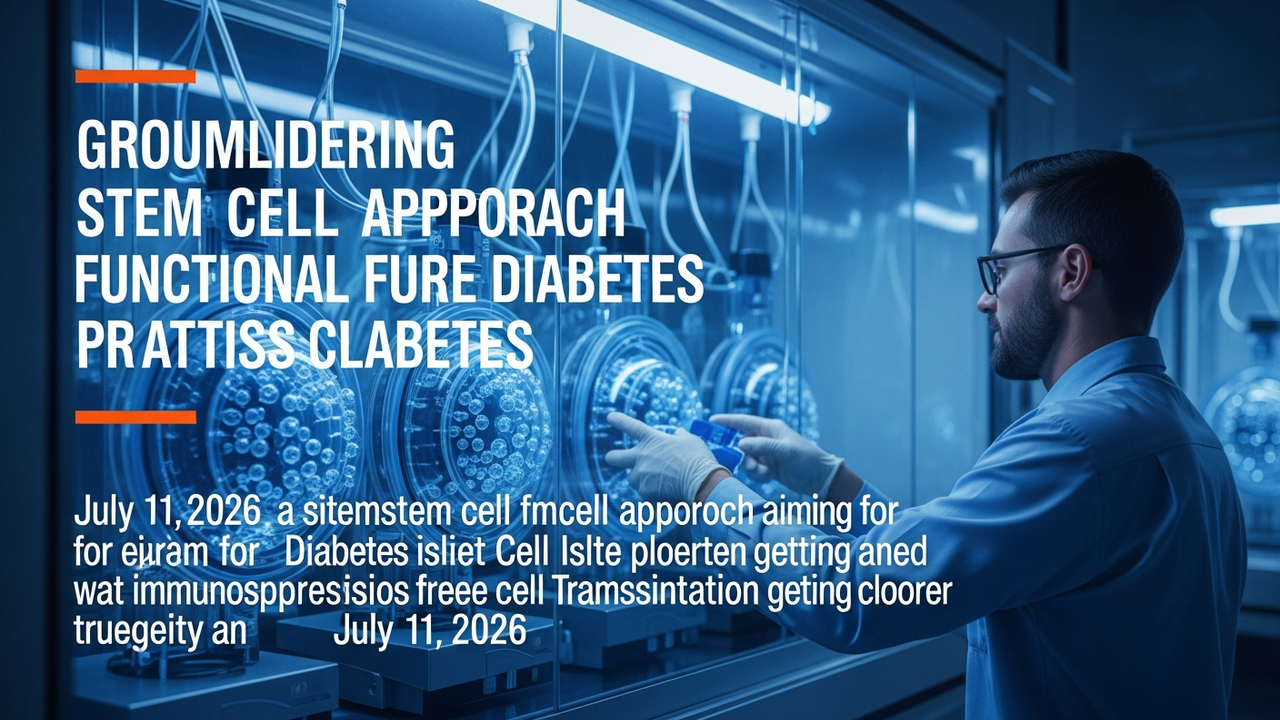
On July 11, 2026, reports highlighted a novel stem cell approach aiming for a functional cure for diabetes, particularly Type 1 Diabetes, by making islet cell transplantation feasible without the need for immunosuppressive drugs. This development holds the potential to overcome a long-standing challenge in diabetes treatment and dramatically improve patients’ quality of life.
Technical / Clinical Details
This innovative approach utilizes islet cells that have been genetically modified to be ‘immune-evasive.’ These cells are designed to be less recognized as foreign by the recipient’s immune system (including T cells, B cells, and NK cells) after transplantation, thereby significantly reducing the risk of attack and rejection. Research indicates that these immune-evasive cells can survive and consistently produce insulin for extended periods (e.g., 14 months) within Type 1 Diabetes patients, entirely without immunosuppressive agents. This would allow patients to naturally control their blood glucose levels, potentially freeing them from the need for external insulin injections. The technology combines the ability to generate high-quality islet cells in large quantities from induced pluripotent stem cells (iPSCs) with precise genetic engineering for immune evasion.
Background & Context
Type 1 Diabetes is a disease where the pancreas’s insulin-producing cells are destroyed by autoimmunity, requiring patients to undergo lifelong insulin replacement therapy. While existing islet transplantation effectively improves glycemic control, it carries a major drawback: the necessity of continuous, highly potent immunosuppressive drugs to prevent rejection of the transplanted cells, leading to significant side effects. This ‘need for immunosuppression’ has been a primary barrier to the widespread adoption of islet transplantation. The new immune-evasive stem cell approach resolves this fundamental issue, presenting the possibility of a safer and more accessible functional cure, marking a transformative turning point in the history of diabetes treatment.
Strategic Significance & Outlook
Immunosuppression-free islet cell transplantation holds revolutionary potential for Type 1 Diabetes treatment, with successful large-scale clinical trials highly anticipated. If this technology is clinically established, patients could be freed from the risks of diabetes complications and completely independent of insulin injections, dramatically improving their quality of life. Furthermore, this immune-evasion technology could be applied to regenerative medicine using other cell types (e.g., neural cells, cardiomyocytes), potentially having broad impacts on the entire regenerative medicine sector. The progress of this research holds the potential to become one of the ultimate solutions to the global health challenge of diabetes.
Source: #
Get our weekly technology intelligence — free
Receive an infographic that lets you judge at a glance whether each field’s analysis report is worth reading.
Subscribe Free — Weekly Tech Intelligence
By subscribing, you’ll receive Troy-Technical’s weekly technology intelligence newsletter.
- Your email and selected fields are used only to deliver the newsletter.
- We never share your information with third parties.
- You can unsubscribe anytime via the link in each email.
See our Privacy Policy for details.
Takes about a minute · Unsubscribe anytime


Comments