Key Findings
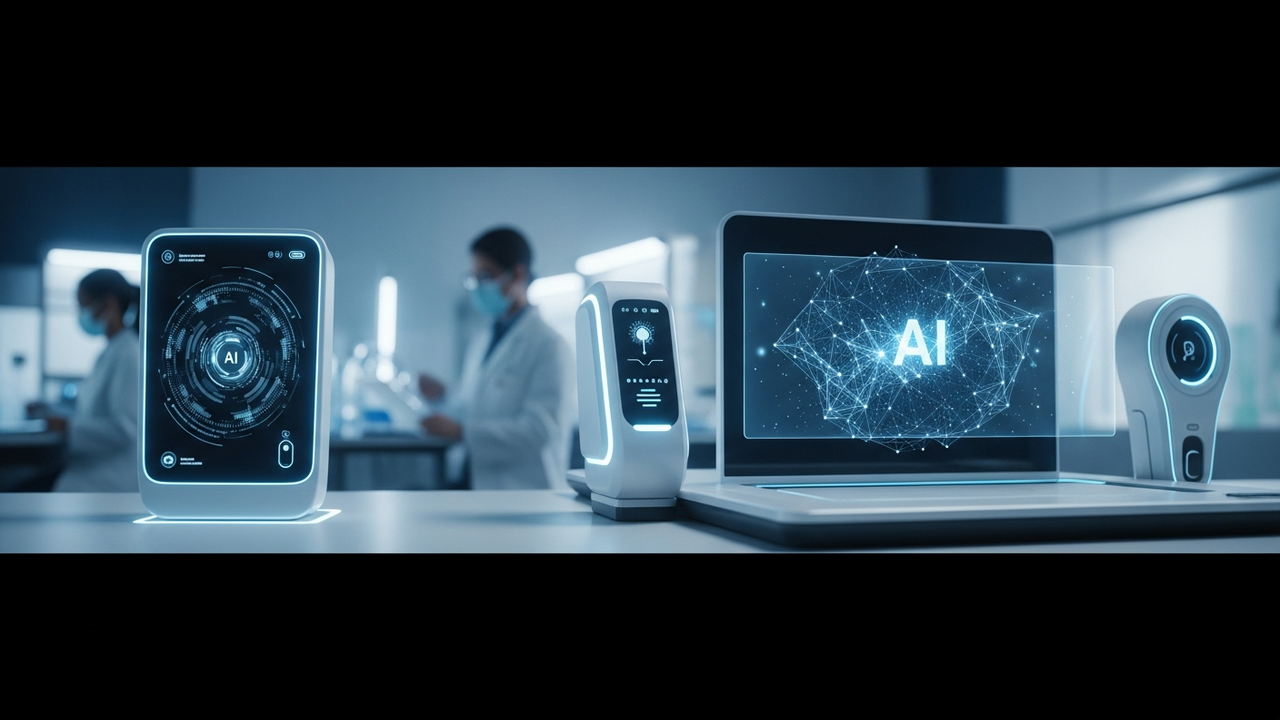
A prominent conference organized by the Cambridge Healthtech Institute has highlighted the profound and rapid transformation of point-of-care diagnostics (POCT), a shift primarily driven by the advancements in artificial intelligence (AI) and the burgeoning expansion of at-home testing solutions. This confluence of technologies is dramatically enhancing diagnostic accuracy, accessibility, and the speed of clinical decision-making.
Technical / Clinical Details
During the conference, detailed discussions focused on how AI-enabled platforms are not only improving the precision of diagnostic results but also empowering clinicians to make faster and more accurate decisions. AI excels in pattern recognition and predictive analytics, surpassing human capabilities in image diagnostics, biosensor data analysis, and the integration of complex patient data. The program further delved into the latest innovations in at-home and direct-access testing. These include user-friendly devices designed for patient self-operation, diagnostic kits that interface seamlessly with smartphones, and integrated platforms that connect with telehealth services. Such technologies allow patients to receive rapid diagnoses for infectious diseases, chronic conditions, or acute issues directly in their homes or community settings, significantly expanding access to vital healthcare services.
Background & Context
The COVID-19 pandemic starkly underscored the critical need for rapid and decentralized diagnostic solutions, acting as a powerful catalyst for the growth of the POCT market. Traditional centralized laboratory testing often faces challenges related to sample transportation, prolonged processing times, and accessibility, particularly during public health crises or in remote areas. The evolution of AI and a broader shift towards patient-centric healthcare models have created an ideal environment for POCT to assume a central role in the diagnostic paradigm. Diagnostics are increasingly becoming less of a privilege confined to specialized facilities and more of a service delivered precisely where and when patients need it most.
Strategic Significance & Outlook
The convergence of AI and at-home testing is an indispensable force shaping the future of POCT diagnostics. Moving forward, these technologies are expected to further evolve as foundational pillars for continuous monitoring of chronic diseases, early disease screening, and highly personalized medicine. The integration of digital tools and strategic deployment of diagnostics in decentralized environments hold immense potential to reduce healthcare costs, improve patient satisfaction, and alleviate the burden on healthcare providers. Platforms like the Cambridge Healthtech Institute play a crucial role in fostering dialogue and collaboration among researchers, developers, clinicians, and policymakers to ensure these innovations achieve their maximum impact. Ultimately, these advanced diagnostic technologies are set to become powerful instruments in realizing truly patient-centered healthcare globally.
Source: https://www.nextgenerationdx.com/point-of-care-diagnostics
Get our weekly technology intelligence — free
Receive an infographic that lets you judge at a glance whether each field’s analysis report is worth reading.
Subscribe Free — Weekly Tech Intelligence
By subscribing, you’ll receive Troy-Technical’s weekly technology intelligence newsletter.
- Your email and selected fields are used only to deliver the newsletter.
- We never share your information with third parties.
- You can unsubscribe anytime via the link in each email.
See our Privacy Policy for details.
Takes about a minute · Unsubscribe anytime







Comments