Background
Amid global efforts to combat climate change and achieve a sustainable society, the importance of renewable energy, particularly solar power, continues to grow. Perovskite solar cells (PSCs) are often lauded as “dream solar cells” due to their high power conversion efficiency (PCE) and potential for low-cost manufacturing. However, environmental regulations and health concerns necessitate a shift away from conventional lead-based perovskites. Tin (Sn)-based perovskites offer a promising low-lead or completely lead-free alternative, directly addressing the toxicity challenge.
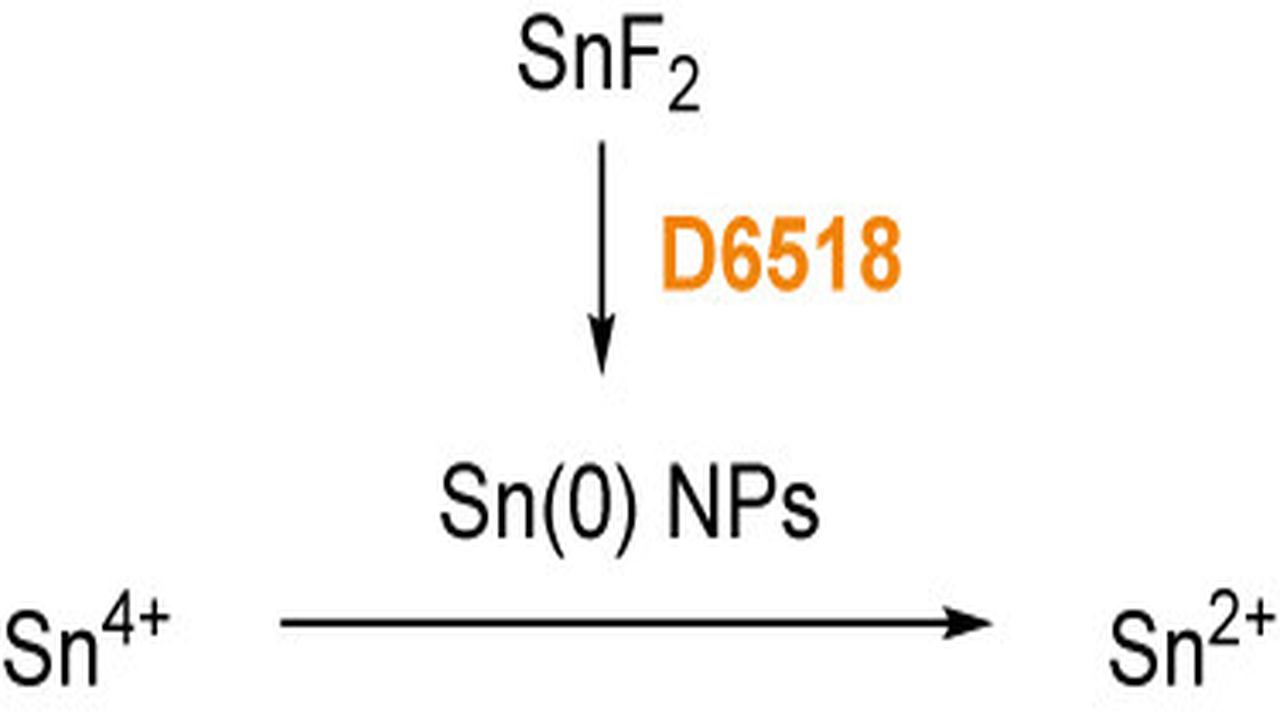
A significant hurdle for tin-based PSCs is their inherent chemical instability: tin(II) readily oxidizes to tin(IV) upon exposure to oxygen and moisture. These tin(IV) impurities introduce defects within the perovskite layer, accelerating charge carrier recombination and severely reducing both the device’s PCE and its long-term stability. Tokyo Chemical Industry (TCI), a leading chemical manufacturer, has now launched “TM-DHP,” a critical new additive designed to overcome this very challenge. This product is manufactured and sold by TCI under an exclusive license from Enecoat Technologies Co., Ltd., exemplifying a successful academic-industrial partnership aimed at bringing cutting-edge research to market.
Key Findings
TM-DHP, developed by Enecoat Technologies and commercialized by TCI, functions by selectively trapping tin(IV) impurities, preventing their detrimental incorporation during the crucial perovskite crystal growth phase. This molecular design fundamentally enhances the purity and crystallinity of the tin-based perovskite material, thereby significantly reducing defect density within the active layer. The direct outcome is the effective prevention of PCE degradation and a marked improvement in device stability, addressing a critical bottleneck in the practical application of tin-based PSCs.
The introduction of TM-DHP is expected to dramatically accelerate the development of more robust and practical performance devices. By mitigating the pervasive stability-efficiency trade-off that has long plagued tin-based PSCs in the R&D stage, TM-DHP clarifies a viable path toward the commercialization of high-efficiency, lead-free perovskite solar cells. This innovation is poised to invigorate further research and development in the field, facilitating the faster adoption of environmentally friendly next-generation solar cells and bolstering the overall sustainability of the solar power industry. The collaboration between TCI and Enecoat Technologies underscores the profound impact that advanced material chemistry can have on the energy sector, with TM-DHP representing a pivotal step towards a greener energy future.
Get our weekly technology intelligence — free
Receive an infographic that lets you judge at a glance whether each field’s analysis report is worth reading.
Subscribe Free — Weekly Tech Intelligence
By subscribing, you’ll receive Troy-Technical’s weekly technology intelligence newsletter.
- Your email and selected fields are used only to deliver the newsletter.
- We never share your information with third parties.
- You can unsubscribe anytime via the link in each email.
See our Privacy Policy for details.
Takes about a minute · Unsubscribe anytime









Comments