Key Findings
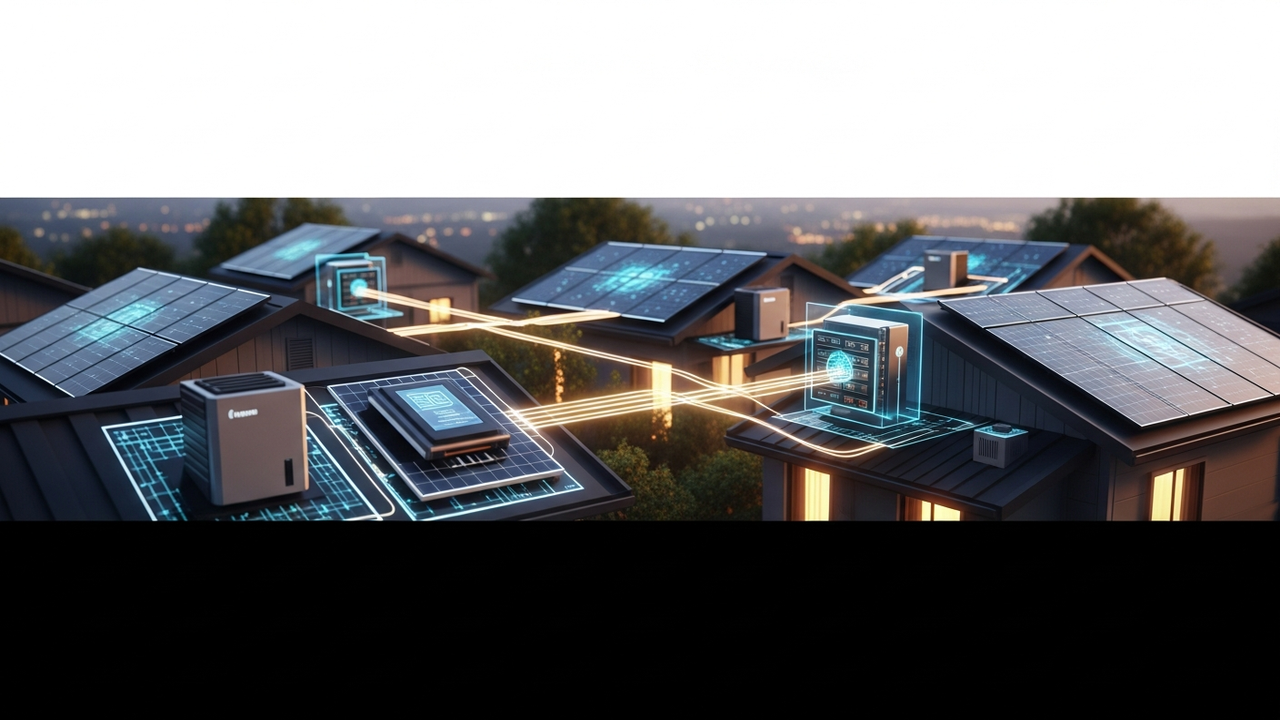
Sunrun has announced the expansion of its “Distributed Data Center” pilot program. This groundbreaking initiative is based on the concept of integrating computing hardware into residences that already feature Sunrun’s home solar power systems and battery energy storage systems (BESS). The program explores the potential for homes to evolve beyond mere power consumers, becoming distributed grid assets that provide both computing capacity and energy storage.
Technical & Project Details
This pilot program involves the battery systems installed in Sunrun customer homes hosting computing hardware designed to process a portion of data center workloads. This approach maximizes the utilization of existing residential infrastructure, particularly the batteries and solar installations. Specifically, computing tasks can be performed during off-peak electricity demand hours, while during periods of high demand, the systems can either supply power to the grid or reduce demand, thereby optimizing the overall grid load. Such a distributed approach holds the potential to reduce the construction and operational costs of centralized data centers, while simultaneously significantly bolstering grid demand response capabilities and resilience.
Background & Industry Context
The rapid advancements in technologies like AI and blockchain have led to an explosive increase in computing demand, placing immense strain on centralized data centers’ power consumption. Concurrently, the proliferation of renewable energy has created new challenges in managing and integrating distributed energy resources (DERs) into the grid. Sunrun’s “Distributed Data Center” concept ingeniously merges these two trends, enabling homes to function as part of a “Virtual Power Plant (VPP)” that generates value in both energy and computing domains.
Strategic Significance & Outlook
The success of this pilot program could redefine the economic value of home battery systems and solar power, fostering new business models. In the future, this could lead to the formation of vast distributed computing and energy storage networks involving millions of homes, potentially revolutionizing grid reliability and efficiency. This represents a truly innovative approach that blurs the lines between the energy and technology sectors, offering new revenue opportunities for consumers and paving the way for a more decentralized and resilient digital and energy future.
Get our weekly technology intelligence — free
Receive an infographic that lets you judge at a glance whether each field’s analysis report is worth reading.
Subscribe Free — Weekly Tech Intelligence
By subscribing, you’ll receive Troy-Technical’s weekly technology intelligence newsletter.
- Your email and selected fields are used only to deliver the newsletter.
- We never share your information with third parties.
- You can unsubscribe anytime via the link in each email.
See our Privacy Policy for details.
Takes about a minute · Unsubscribe anytime








Comments