Key Findings
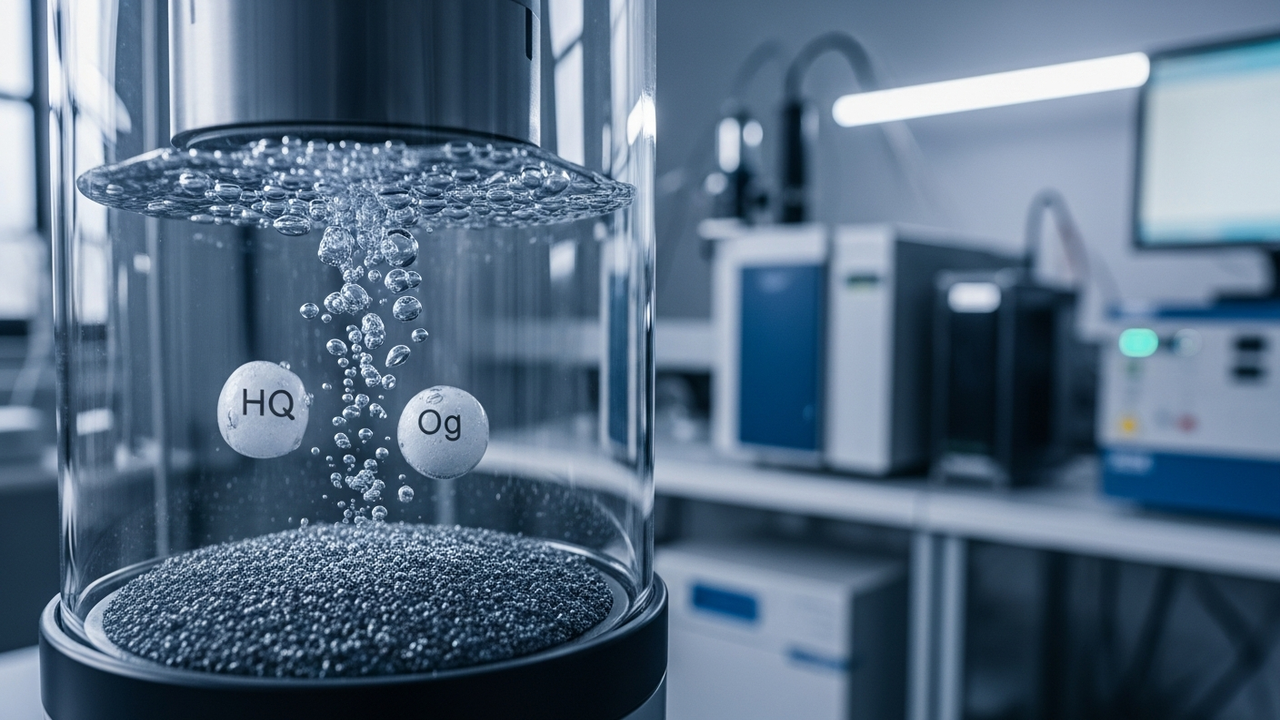
Researchers have developed a novel catalyst system by strategically combining ruthenium (Ru) and vanadium dioxide (VO2). This ‘auxiliary driving strategy’ dramatically accelerates the water splitting process and enables precise control over hydrogen adsorption. The catalyst demonstrates that its enhanced reaction kinetics directly translate to improved performance at the device level, moving beyond mere laboratory evaluations.
Technical Details
The developed catalyst leverages the unique electronic interactions and surface structures created by compounding ruthenium nanoparticles with vanadium dioxide. By utilizing the temperature-induced phase transition properties of VO2, it becomes possible to dynamically adjust the strength of hydrogen adsorption at the catalyst’s active sites, thereby facilitating the maintenance of optimal reaction conditions. This controlled hydrogen adsorption, combined with the high catalytic activity of Ru, generates a synergistic effect that overcomes the rate-limiting steps of the water splitting reaction, significantly boosting overall hydrogen evolution efficiency. Laboratory evaluations have confirmed that the catalyst operates at notably higher current densities and lower overpotentials compared to conventional catalysts, also exhibiting superior stability.
Background and Industry Context
Water electrolysis technology, crucial for green hydrogen production, faces significant challenges related to reliance on expensive noble metal catalysts (primarily platinum) and the need for improved reaction efficiency. The hydrogen evolution reaction (HER), in particular, is a process associated with considerable energy loss. The catalyst developed in this study paves the way for high efficiency while reducing noble metal usage by utilizing relatively inexpensive ruthenium and optimizing its performance through combination with vanadium oxides. This opens a path towards more sustainable and economical hydrogen production.
Strategic Significance and Outlook
This new catalyst technology holds significant potential to influence the design of next-generation fuel cell systems and large-scale water electrolysis plants integrated with renewable energy. The successful verification of device-level performance is expected to accelerate research and development towards practical application. In the future, the widespread adoption of lower-cost, high-efficiency hydrogen production technologies will play a critical role in expanding green hydrogen’s share in the global energy mix. Furthermore, the elucidation of the hydrogen adsorption control mechanism may lead to applications in other catalytic reaction systems.
Source: https://www.azom.com/article.aspx?ArticleID=25349
Get our weekly technology intelligence — free
Receive an infographic that lets you judge at a glance whether each field’s analysis report is worth reading.
Subscribe Free — Weekly Tech Intelligence
By subscribing, you’ll receive Troy-Technical’s weekly technology intelligence newsletter.
- Your email and selected fields are used only to deliver the newsletter.
- We never share your information with third parties.
- You can unsubscribe anytime via the link in each email.
See our Privacy Policy for details.
Takes about a minute · Unsubscribe anytime








Comments