Background
Diabetes is a growing global chronic disease, and continuous glucose monitoring is essential for its effective management. However, traditional finger-prick blood glucose testing is painful and does not provide continuous information. While existing continuous glucose monitoring (CGM) systems have advanced, they still face challenges related to cost, comfort, and sometimes accuracy. Providing more accurate and less invasive glucose monitoring solutions while improving patients’ quality of life is a crucial goal in medical technology development. Microneedle (MN) technology is gaining attention as a promising avenue to address this challenge.
Key Findings / Results
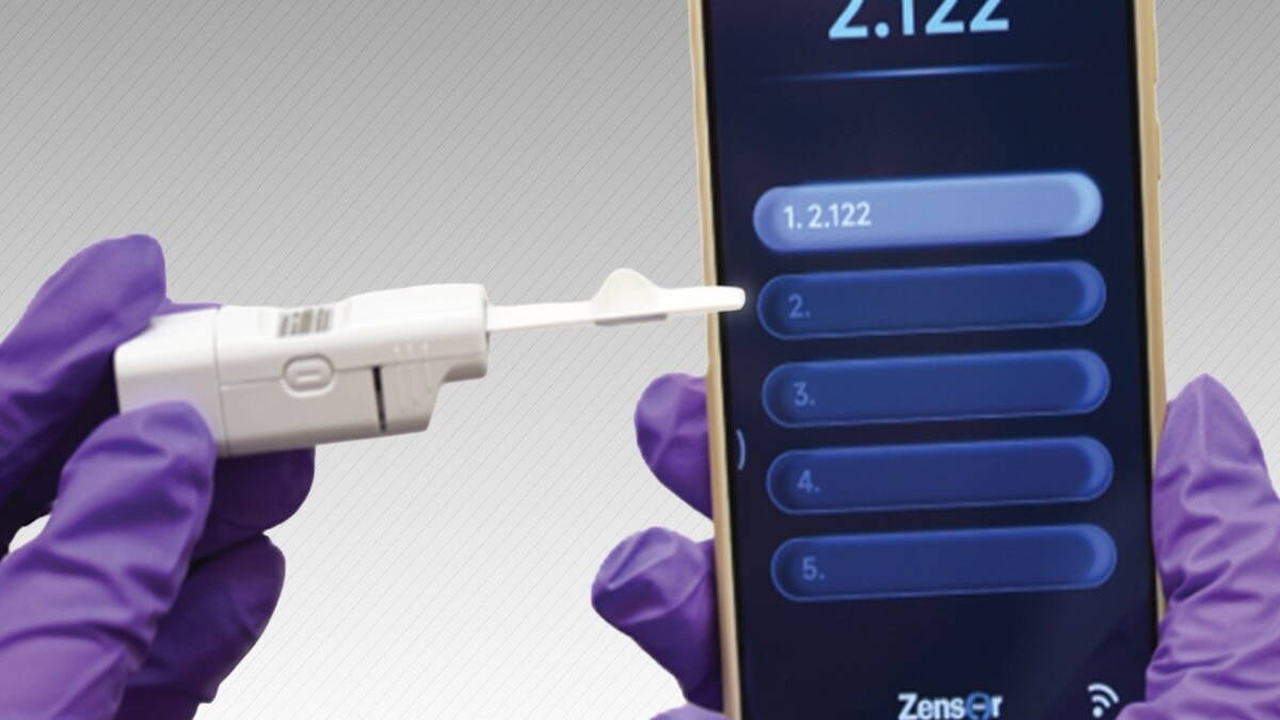
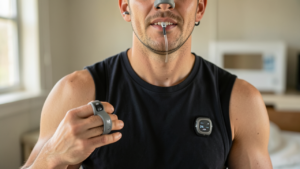
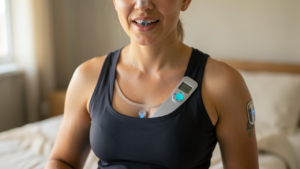
A research team at Washington State University has developed a new wearable biosensor poised to revolutionize glucose monitoring for diabetic patients. This sensor integrates the following key technologies:
- Microneedle Technology: Utilizes an array of microneedles that can be painlessly inserted into the outermost layer of the skin. This allows for the collection of interstitial fluid (ISF) from areas with fewer nerve endings, minimizing invasiveness while accessing glucose information. Patient discomfort is significantly reduced compared to traditional blood draws.
- Advanced Catalytic Materials: The sensor’s detection component incorporates high-performance catalytic materials specifically designed to sense glucose and convert it into an electrochemical signal. This enables highly sensitive and selective measurement of glucose concentration in the interstitial fluid.
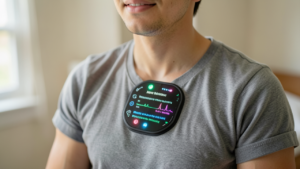
- Wireless Data Transmission: The measured glucose concentration data is transmitted in real-time to the patient’s smartphone via wireless communication technology, such as Bluetooth. This allows patients to easily check their blood glucose levels and understand trends anytime, anywhere.
- Minimally Invasive and Affordable: Compared to existing CGM systems, this sensor is less invasive and has the potential for lower manufacturing costs, making it a potentially more affordable option. This is a critical factor for promoting widespread diabetes management, especially in regions with limited healthcare access.
This innovative approach aims to make diabetes management “smarter” by accurately measuring glucose levels in interstitial fluid and continuously tracking blood glucose fluctuations.
Technical Significance & Outlook
The microneedle biosensor developed by Washington State University has significant implications for the future of diabetes management. Its minimally invasive nature, high accuracy, and affordability mean that continuous glucose monitoring could become accessible to a larger number of diabetic patients. This will empower patients to enhance their self-management capabilities and more effectively manage the risks of hypoglycemia and hyperglycemia. Real-time data is also invaluable for healthcare providers, assisting them in formulating and adjusting more personalized treatment plans.
In the future, this technology is expected to further evolve, with anticipated integration into other wearable health monitoring devices and the addition of AI-powered predictive analytics. For instance, it could provide early warnings for abnormal glucose trends or personalize dietary and exercise advice, further improving the quality of life for diabetic patients. This biosensor is poised to play a crucial role not only in diabetes care but also in advancing preventive and personalized medicine globally.
Source: https://www.icthealth.org/news/microneedle-biosensor-enables-smarter-glucose-monitoring


Comments