Key Findings
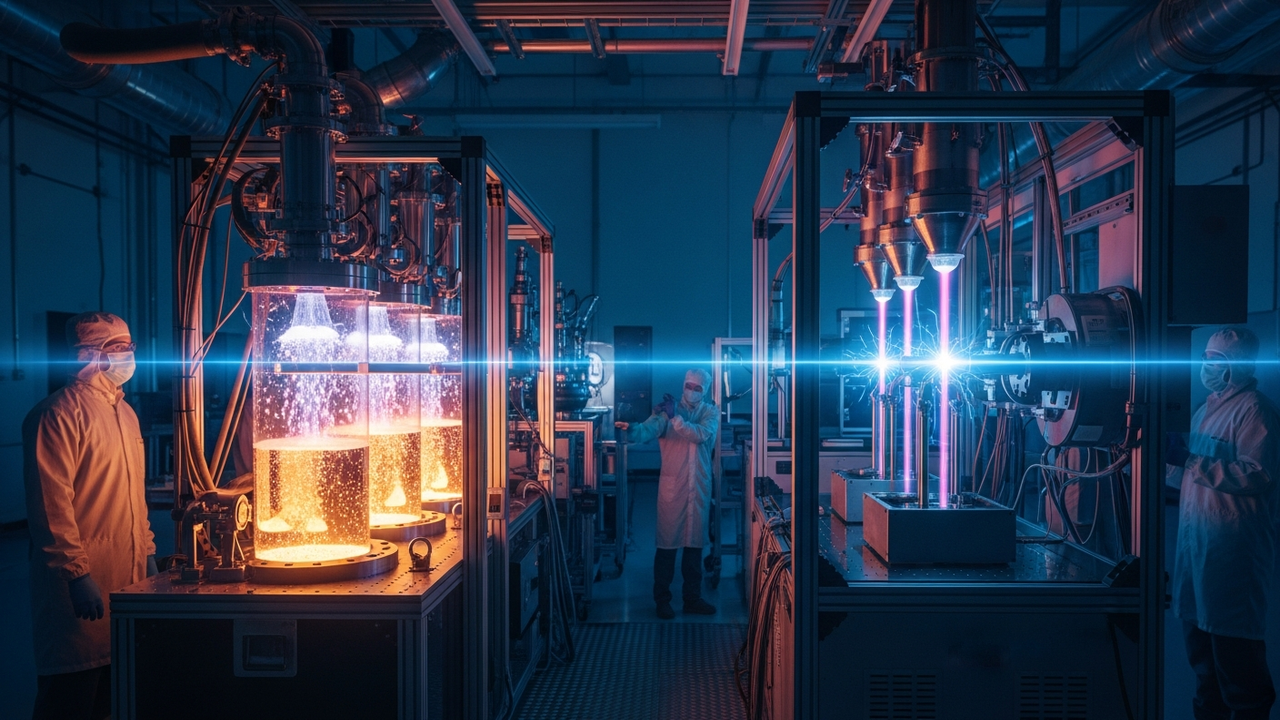
Scientists have developed and are currently testing two innovative methods designed to efficiently destroy ‘forever chemicals’ (PFAS), which are pervasive and highly persistent in the environment. These methods demonstrate high degradation capabilities, particularly against key PFAS compounds like PFOA, and hold the potential to achieve complete breakdown, a feat largely unattainable with conventional treatment technologies.
Technical / Clinical Details
One of the developed techniques involves the use of ‘collapsing vapor bubbles.’ In this approach, microscopic vapor bubbles generated in liquid rapidly collapse, creating localized zones of extreme temperatures (thousands of Kelvin) and high pressures. Under these harsh conditions, water molecules dissociate into highly reactive species, such as hydroxyl radicals (•OH), which are powerful enough to cleave the exceptionally stable carbon-fluorine bonds characteristic of PFAS molecules, converting them into benign compounds. While specific details of the second method remain undisclosed, it also represents an advancement in environmental remediation materials, aiming to significantly enhance PFAS removal efficiency. These techniques show versatility, potentially being applicable not only to PFAS in water but also in contaminated soil and air, making their broad utility a point of keen interest.
Background & Context
PFAS (per- and polyfluoroalkyl substances) have been widely used in various products due to their excellent properties, including water and oil repellency and heat resistance, found in items like non-stick cookware, firefighting foams, and waterproof clothing. However, these chemicals are highly recalcitrant in the environment, earning them the moniker ‘forever chemicals.’ PFAS contamination of soil and groundwater is a growing global concern, with potential adverse health impacts on humans. Existing treatment technologies have struggled to completely remove PFAS, making the development of effective and sustainable degradation technologies an urgent priority for environmental and public health authorities worldwide.
Strategic Significance & Outlook
The emergence of these new PFAS destruction technologies brings considerable hope to the field of environmental remediation. The approach utilizing collapsing vapor bubbles, in particular, is noted for its high energy efficiency and minimal need for additional chemical input, making it potentially suitable for large-scale practical applications. Further optimization and scaling up of these technologies are expected to be applied in remediation projects for contaminated water sources and regions, contributing significantly to public health and ecosystem protection. With regulatory bodies globally tightening restrictions on PFAS, these technologies are poised to become crucial solutions in meeting stringent environmental standards and safeguarding future generations from persistent chemical pollutants.
Source: https://www.sciencedaily.com/releases/2026/07/260719114521.htm
Get our weekly technology intelligence — free
Receive an infographic that lets you judge at a glance whether each field’s analysis report is worth reading.
Subscribe Free — Weekly Tech Intelligence
By subscribing, you’ll receive Troy-Technical’s weekly technology intelligence newsletter.
- Your email and selected fields are used only to deliver the newsletter.
- We never share your information with third parties.
- You can unsubscribe anytime via the link in each email.
See our Privacy Policy for details.
Takes about a minute · Unsubscribe anytime






Comments