Key Findings
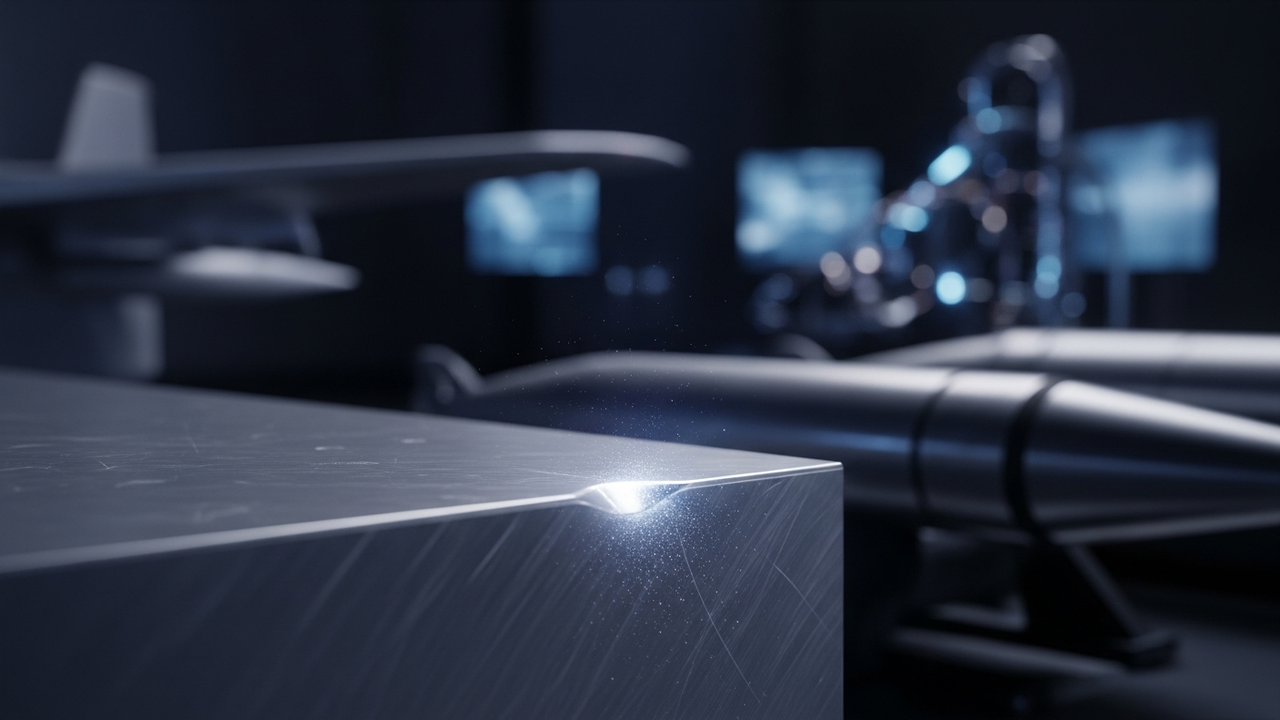
Sodium dichromate has been re-emphasized as an indispensable material for forming self-healing chromate conversion coatings on aluminum alloys, particularly within the demanding defense and aerospace industries. These coatings not only establish a robust physical barrier against corrosion but also actively suppress corrosion initiation and progression through the re-oxidation of exposed metal by residual Cr(VI) compounds when damage occurs. This dual-action mechanism ensures superior long-term protection and reliability for materials operating in extremely harsh environments.
Technical / Clinical Details
The chromate conversion coating process involves a chemical reaction between the aluminum alloy surface and a solution containing sodium dichromate, which results in the formation of a dense and durable chromium oxide layer. A distinguishing feature of this coating is its self-healing capability: upon the formation of minor scratches or abrasions, Cr(VI) ions are released from the coating, which then repassivate (re-render passive) the exposed metallic areas. This process effectively halts corrosion propagation, thereby reducing maintenance costs and extending the lifespan of components. The technology is widely adopted in applications requiring high reliability and durability, such as aircraft skins, missile components, and naval vessel parts, adhering to stringent military and aerospace specifications.
Background & Context
Aluminum alloys are extensively used in aerospace and defense due to their lightweight and high strength, but they are susceptible to corrosion, especially in marine and industrial environments where salt and chemicals pose significant threats. Chromate conversion coatings have been recognized for decades as one of the most effective anti-corrosion methods for aluminum alloys. However, the use of hexavalent chromium (Cr(VI)) is increasingly restricted due to environmental regulations, prompting ongoing development of safer alternative technologies. Despite these efforts, the unparalleled performance and reliability of Cr(VI)-based coatings maintain their critical role in defense and aerospace applications. Strict safety management and proper use of sodium dichromate are essential for the continued viability of this technology.
Strategic Significance & Outlook
Given its unparalleled self-healing and anti-corrosion performance, chromate conversion coatings using sodium dichromate are expected to remain a vital corrosion protection solution in the defense and aerospace industries. While the advancement of environmental regulations will accelerate the development and adoption of alternative technologies, the unique advantages of Cr(VI) coatings ensure their continued relevance for specific high-performance applications. Future developments may explore hybrid solutions combining lower environmental impact processes with novel technologies that can achieve comparable performance under specific conditions. The judicious management and application of this technology remain crucial for the protection and extended operational life of high-performance materials, continuing to contribute to the advancement of related industries.
Get our weekly technology intelligence — free
Receive an infographic that lets you judge at a glance whether each field’s analysis report is worth reading.
Subscribe Free — Weekly Tech Intelligence
By subscribing, you’ll receive Troy-Technical’s weekly technology intelligence newsletter.
- Your email and selected fields are used only to deliver the newsletter.
- We never share your information with third parties.
- You can unsubscribe anytime via the link in each email.
See our Privacy Policy for details.
Takes about a minute · Unsubscribe anytime


Comments