Background
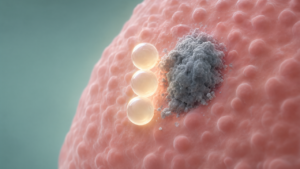
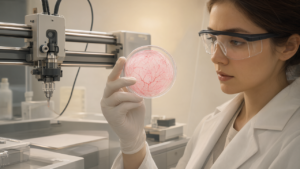
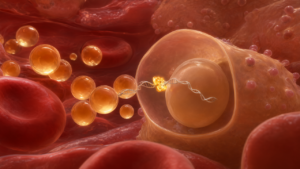
Exosomes, a specific type of small extracellular vesicle (EV), play a critical role in intercellular communication and have garnered significant attention as promising biomarkers, drug delivery systems (DDS), and therapeutic agents. Their potential in medical applications, from diagnostics to advanced therapies, is immense. However, realizing their full clinical utility has been hindered by persistent challenges, particularly in achieving sufficient targeting specificity and ensuring their stability within complex in vivo biological environments. Despite these hurdles, Japan continues to be a recognized global leader in exosome research, actively pushing the boundaries to address these fundamental limitations and unlock new therapeutic avenues.
Key Findings
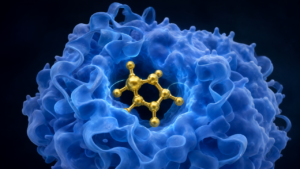
A research team led by Professor Keisuke Goda at the University of Tokyo has developed a novel ‘ultra-homotypic targeting’ technology that fundamentally addresses the challenge of EV targeting. This breakthrough involves engineering the surface of naturally occurring EVs with lanthanide metals, which dramatically amplifies their binding affinity. Specifically, the modified EVs demonstrated an astonishing over 25-fold increase in binding to homologous cancer cells – those from which they originated or similar cancer cells – thereby significantly enhancing cancer cell detection sensitivity.
The core mechanism of this ‘ultra-homotypic targeting’ lies in the lanthanide coating’s ability to fundamentally modulate the EV surface, conferring a significantly stronger and more specific binding capability. This enhanced targeting holds profound implications for liquid biopsy, a non-invasive method for cancer diagnosis. Current liquid biopsy technologies, which detect trace amounts of cancer-related substances like circulating tumor DNA and EVs in the blood, often face limitations in detection sensitivity. This new technology is poised to enable far more efficient capture and enrichment of cancer-derived EVs circulating in the bloodstream, leading to dramatic improvements in the accuracy of ultra-early cancer detection and recurrence monitoring.
Beyond diagnostics, the lanthanide-modified EV platform demonstrates broad therapeutic potential. By precisely enhancing EV targeting capability to specific cells, it can serve as a highly effective ‘targeted drug delivery system.’ This could enable the efficient delivery of anti-cancer drugs or gene therapies directly to specific tumor cells, minimizing off-target effects and maximizing therapeutic efficacy. Furthermore, in the emerging field of cellular rejuvenation therapies, this technology could maximize therapeutic outcomes by guiding EVs loaded with rejuvenating factors directly to specific tissues in need.
For the practical application of this ‘ultra-homotypic targeting’ technology, crucial next steps include rigorous in vivo efficacy validation, particularly through large-scale studies utilizing diverse clinical samples. Concurrently, extensive application research into targeted drug delivery and cellular rejuvenation is anticipated. Addressing manufacturing challenges, such as establishing GMP (Good Manufacturing Practice)-compliant large-scale production processes for lanthanide-modified EVs and optimizing cost-efficiency, will also be critical. Successful navigation of these hurdles is expected to revolutionize cancer medicine, paving the way for safer, more precise, and more effective personalized medicine paradigms.
Get our weekly technology intelligence — free
Receive an infographic that lets you judge at a glance whether each field’s analysis report is worth reading.
Subscribe Free — Weekly Tech Intelligence
By subscribing, you’ll receive Troy-Technical’s weekly technology intelligence newsletter.
- Your email and selected fields are used only to deliver the newsletter.
- We never share your information with third parties.
- You can unsubscribe anytime via the link in each email.
See our Privacy Policy for details.
Takes about a minute · Unsubscribe anytime